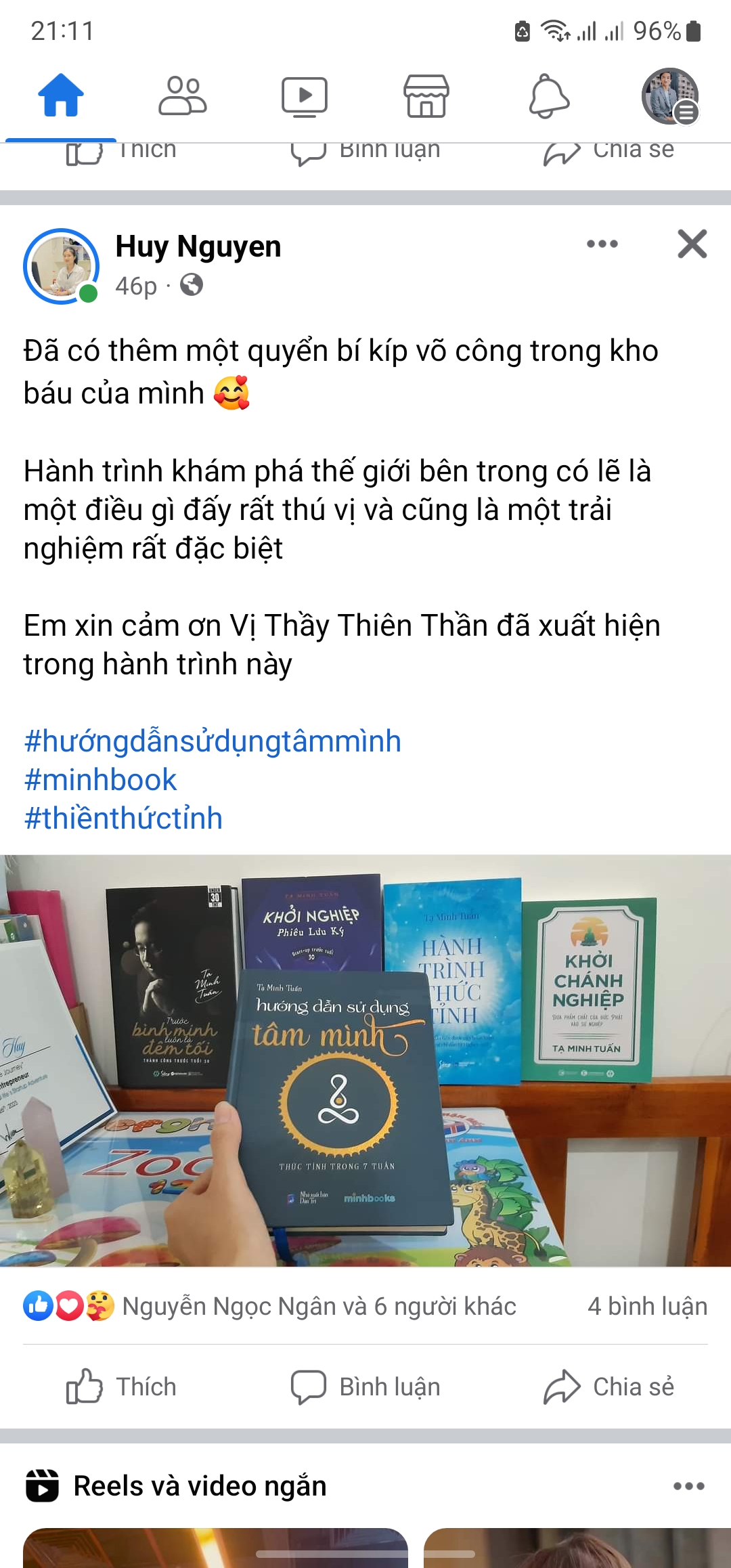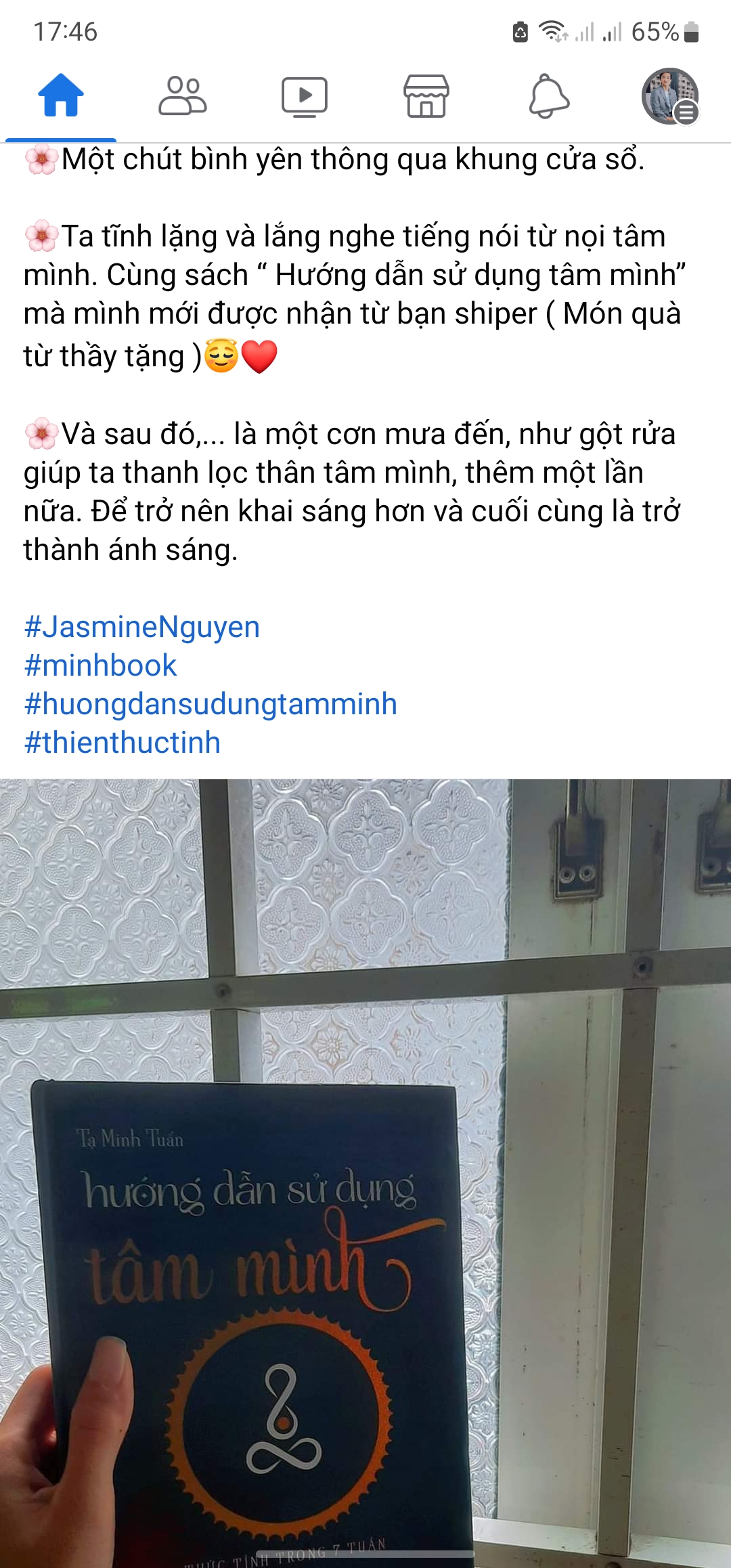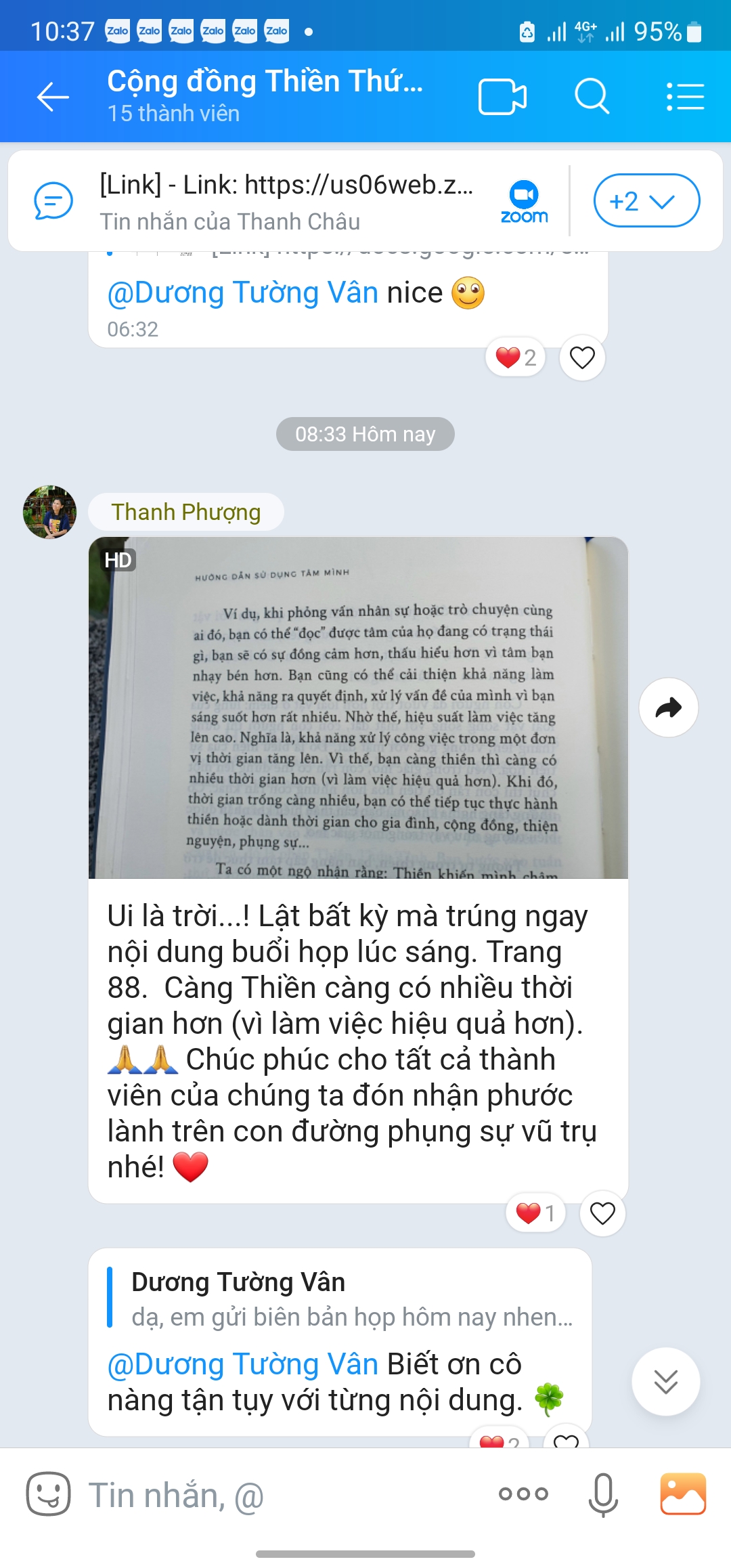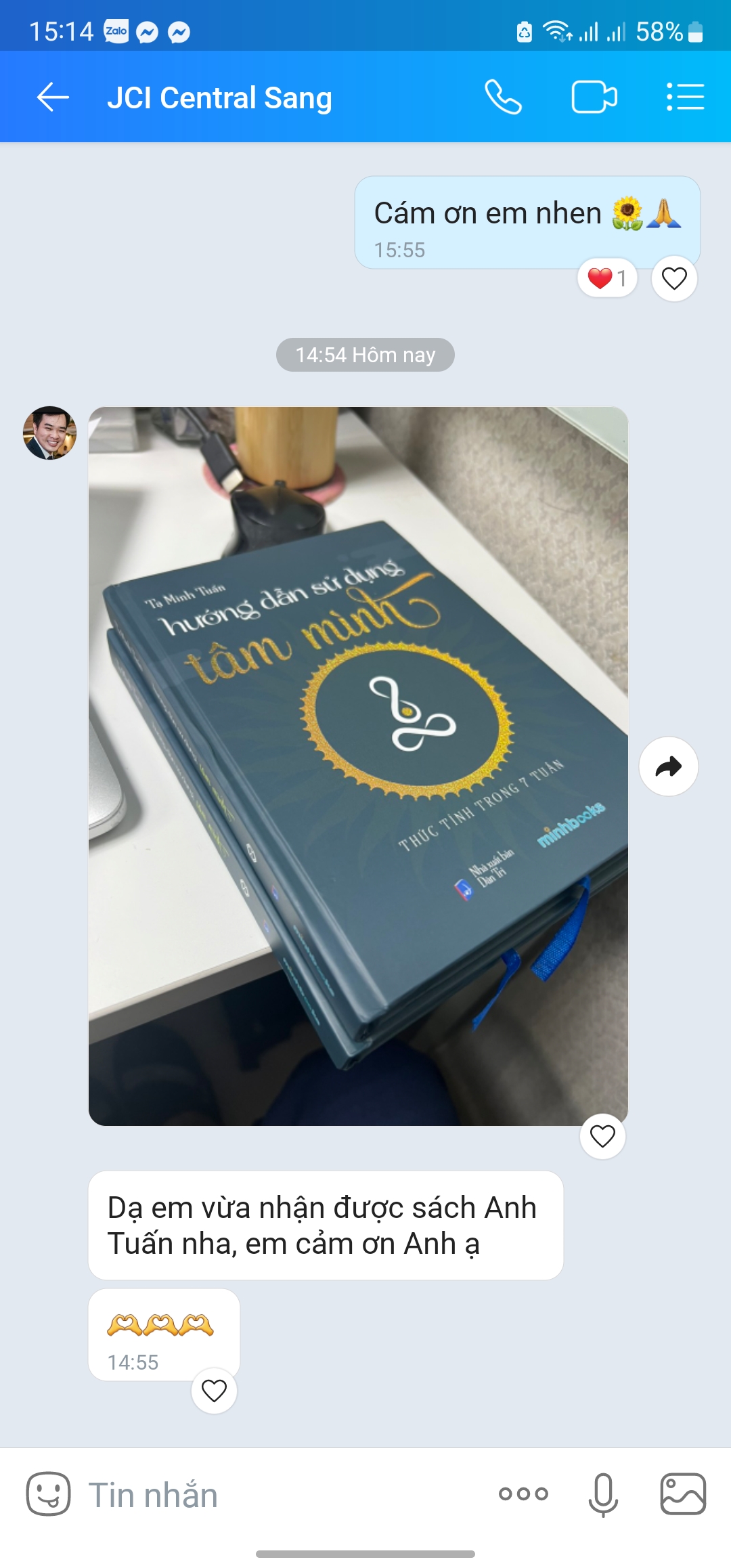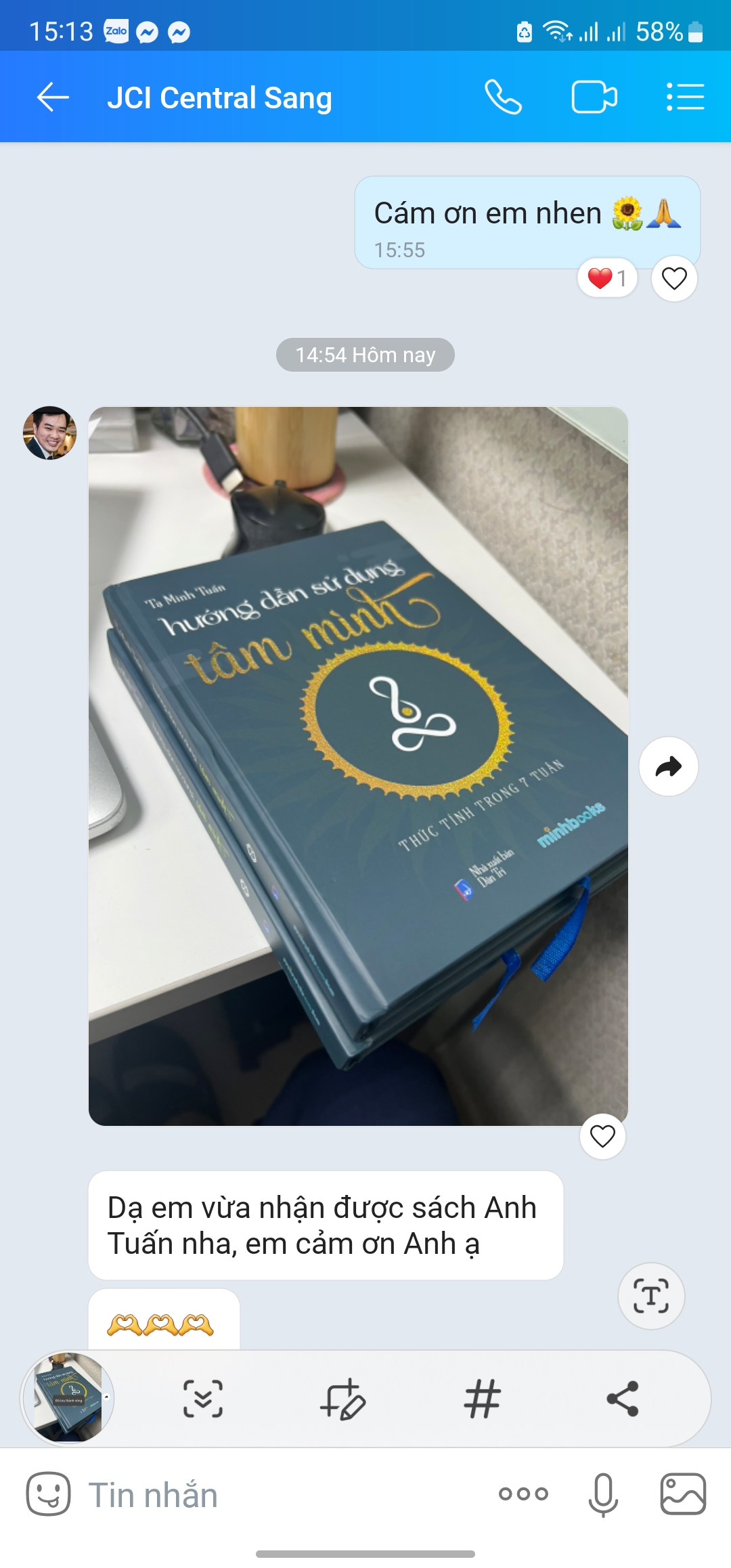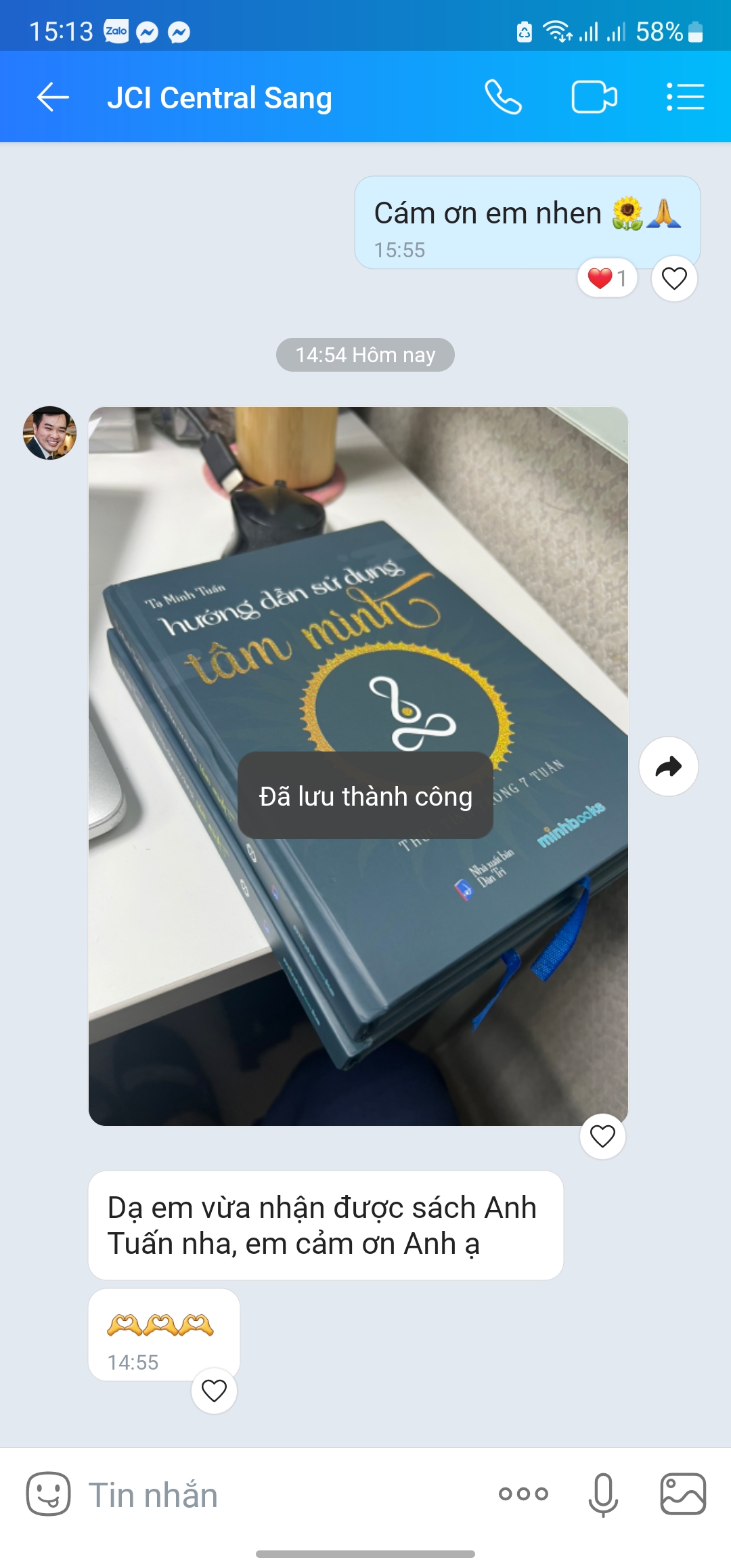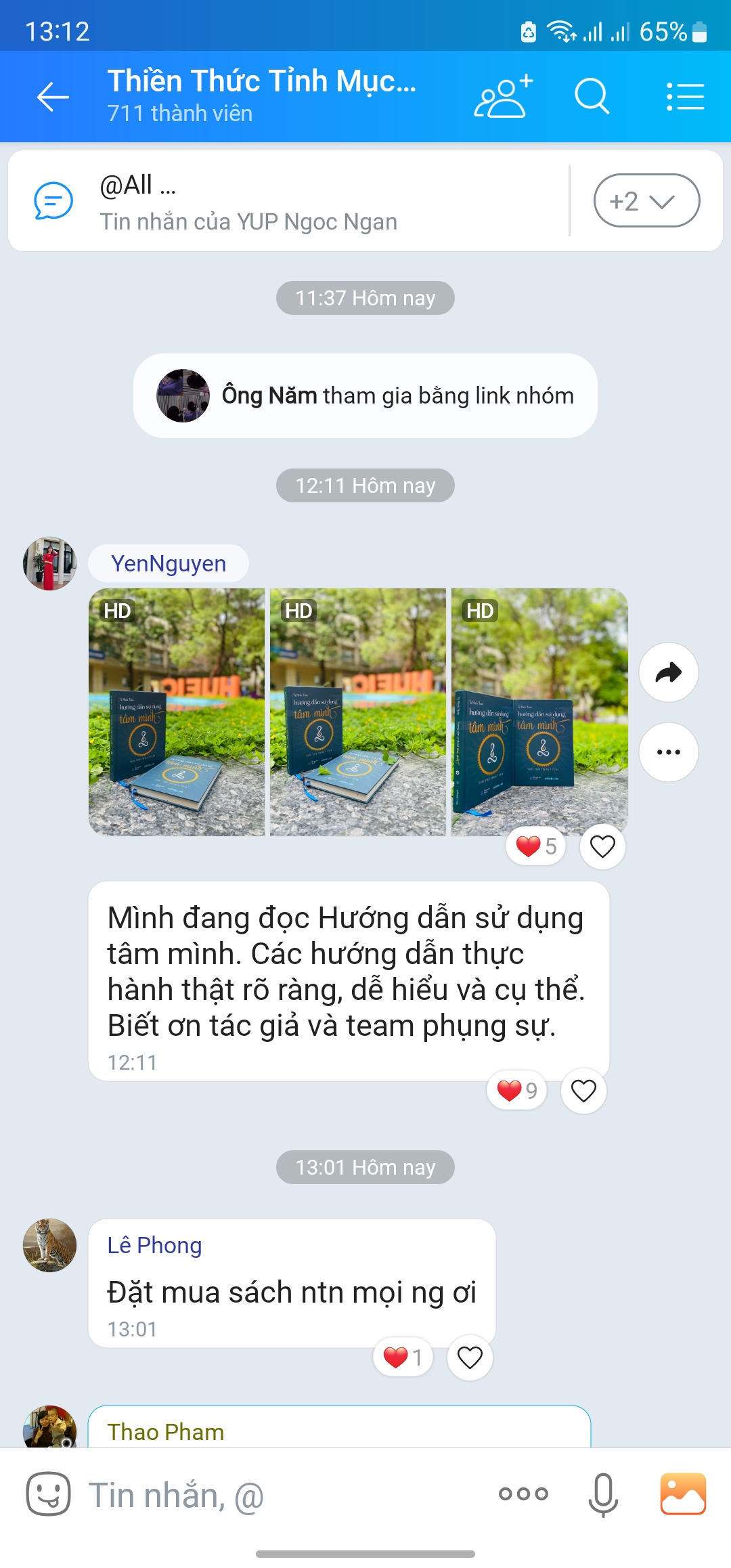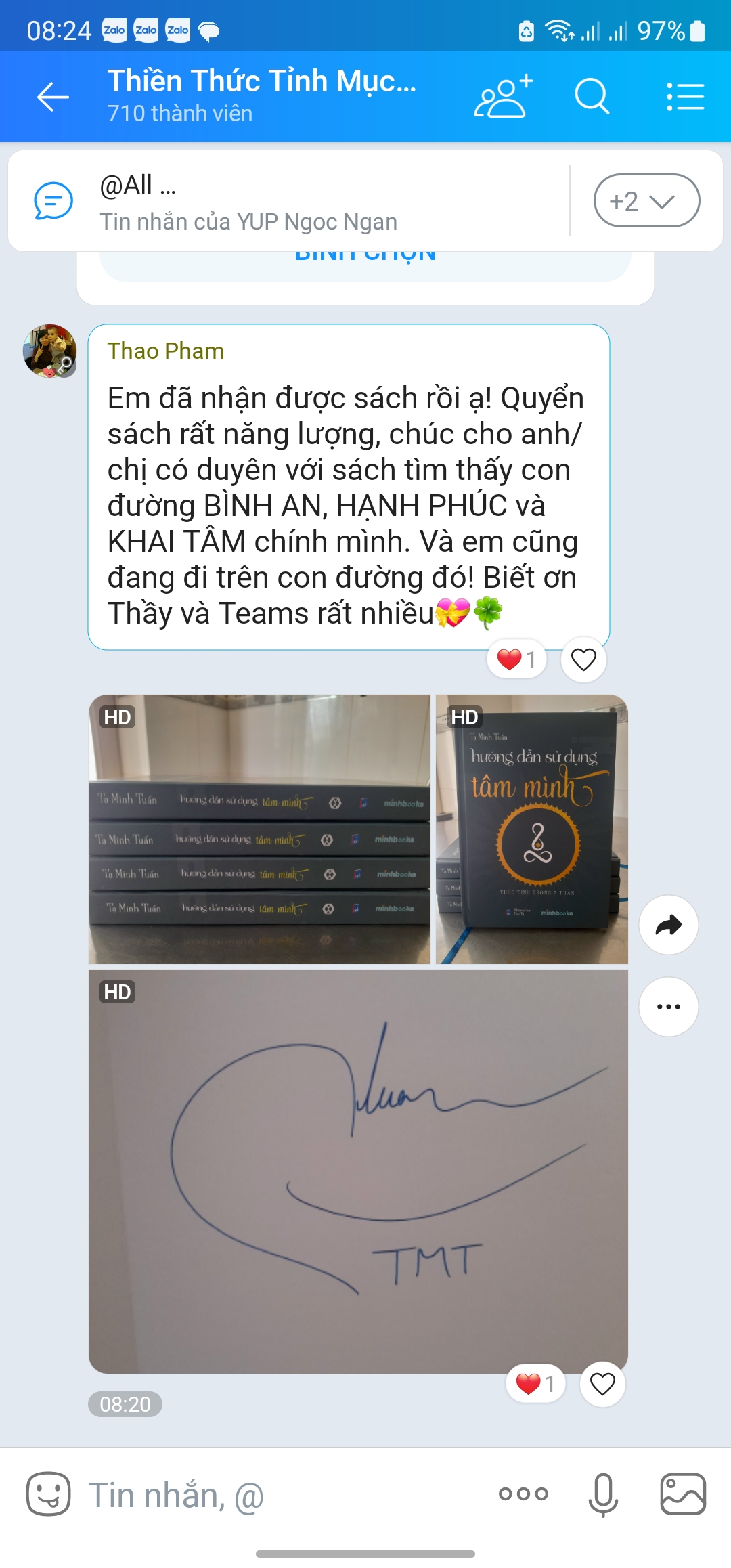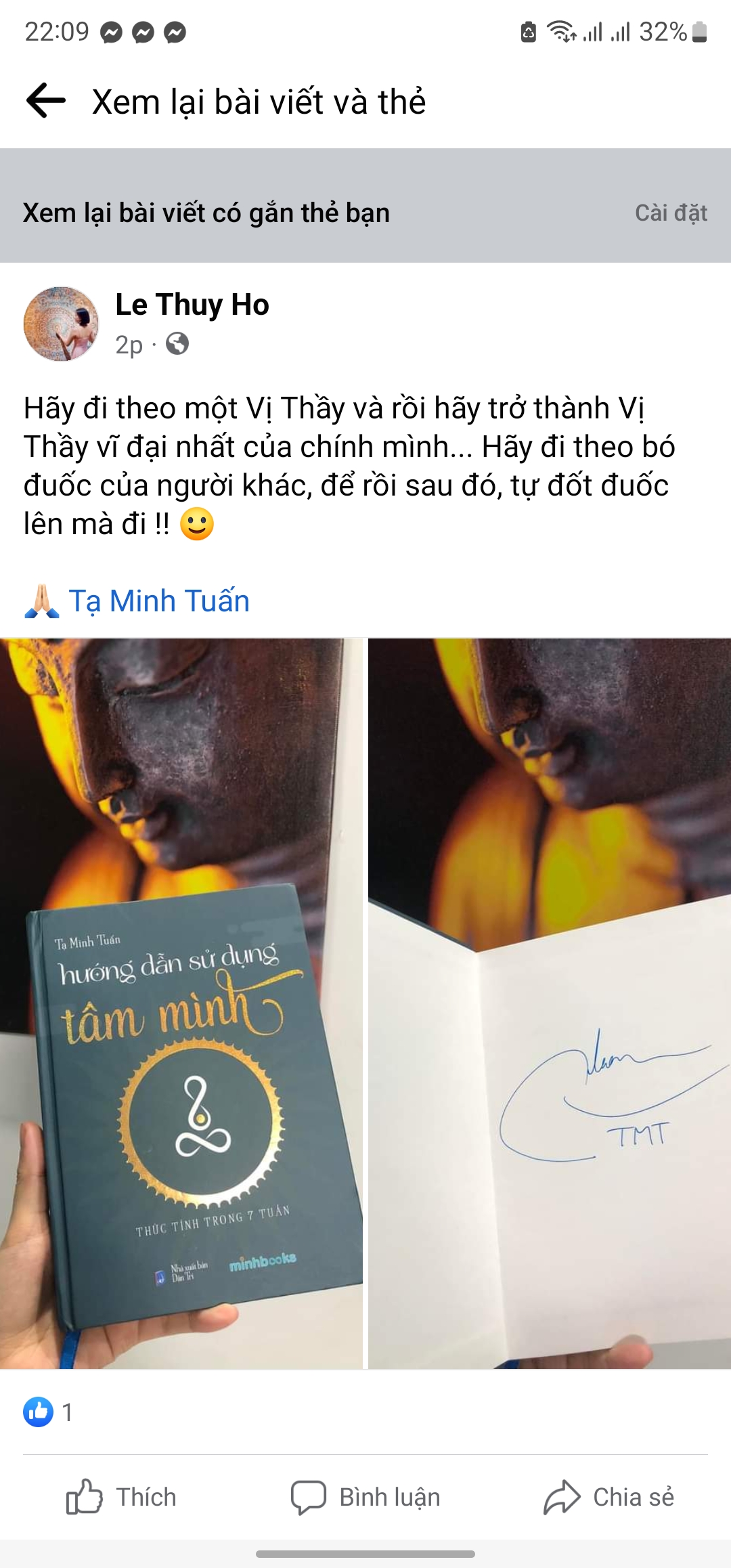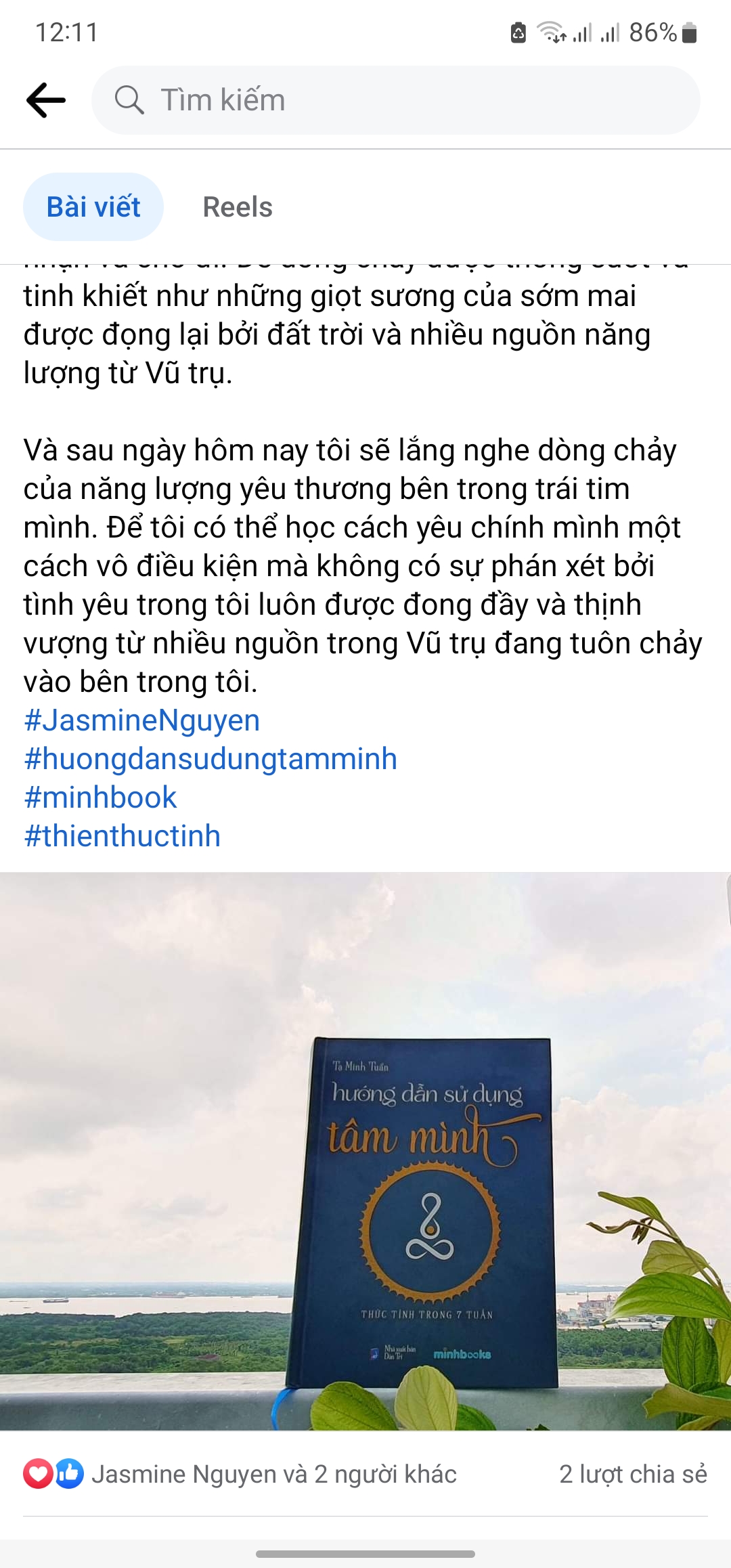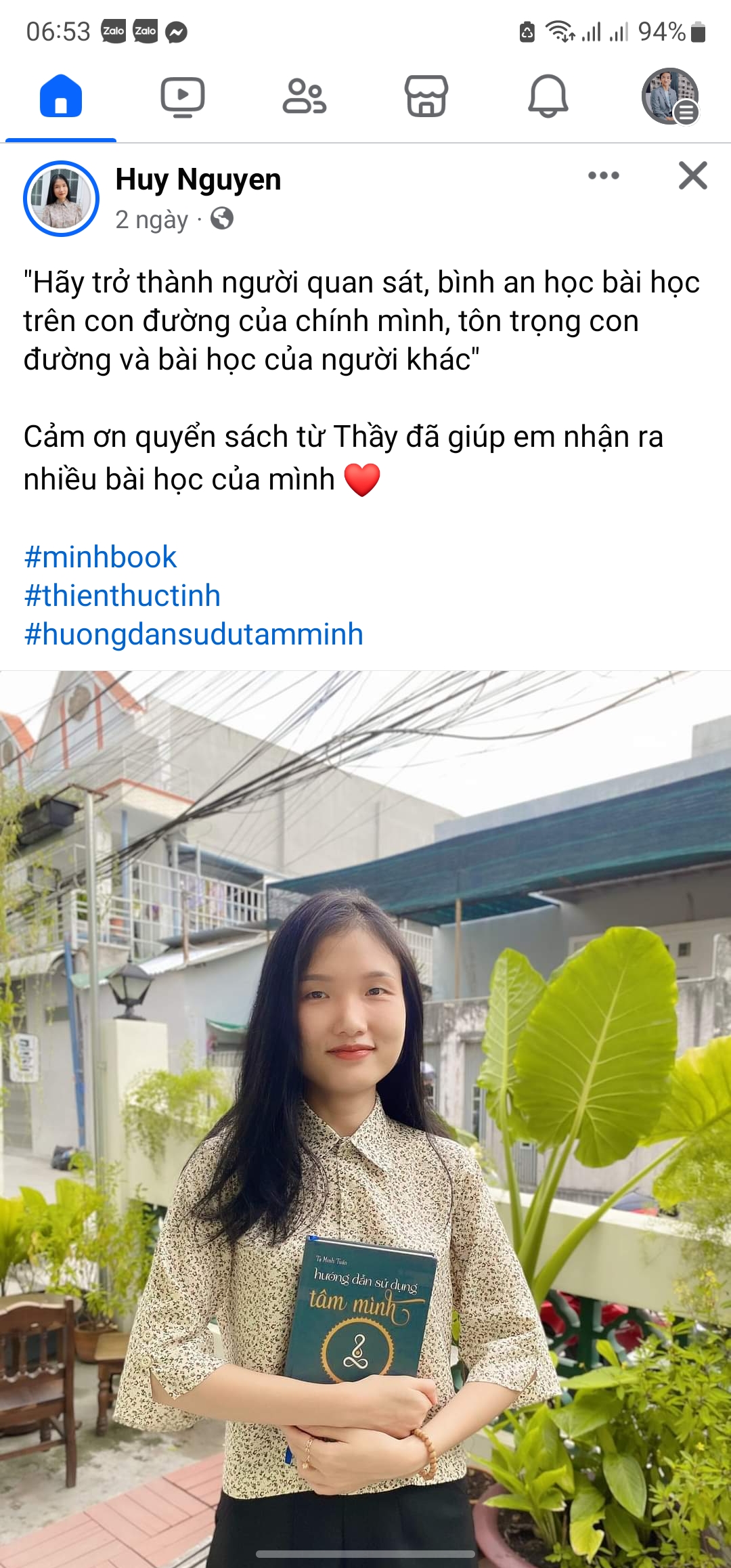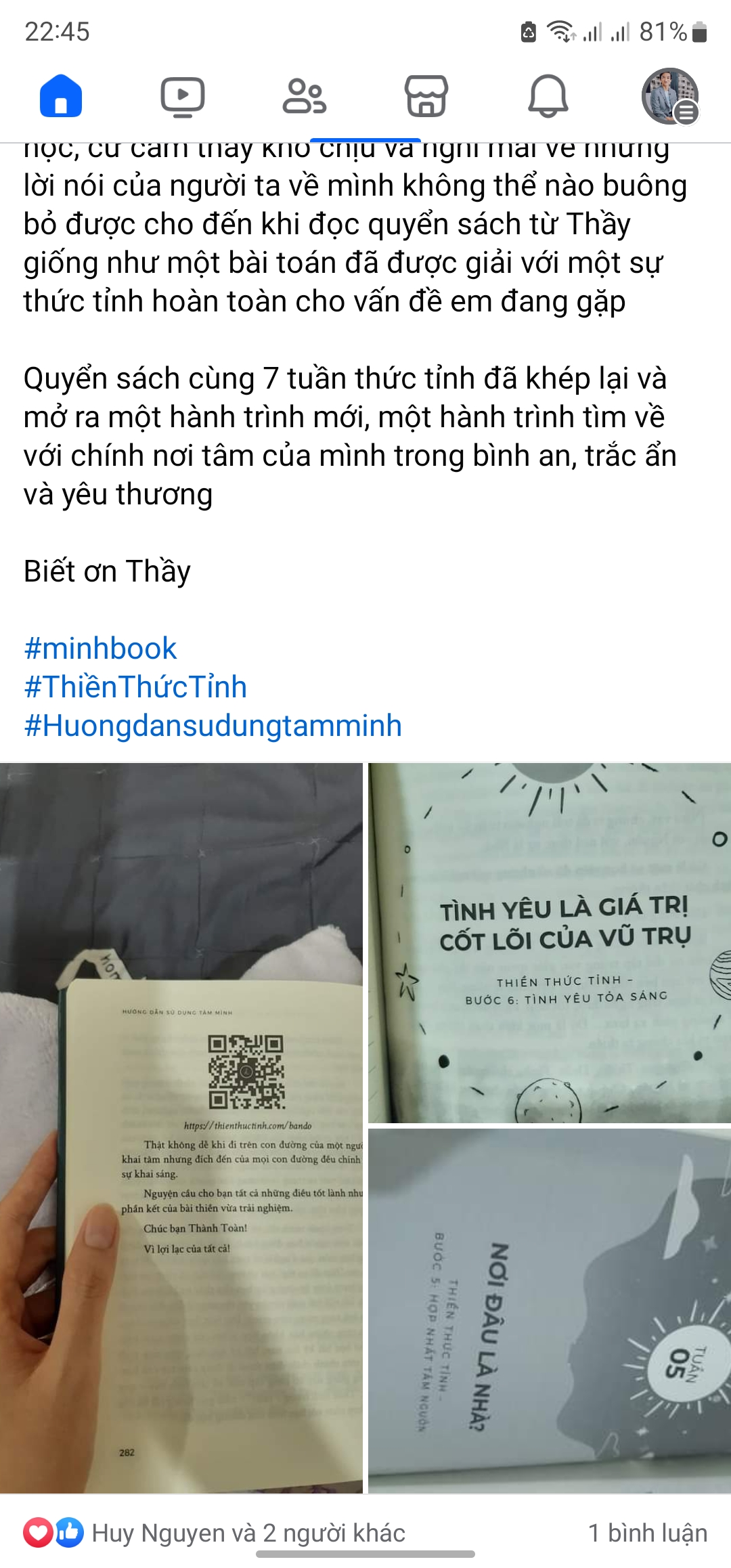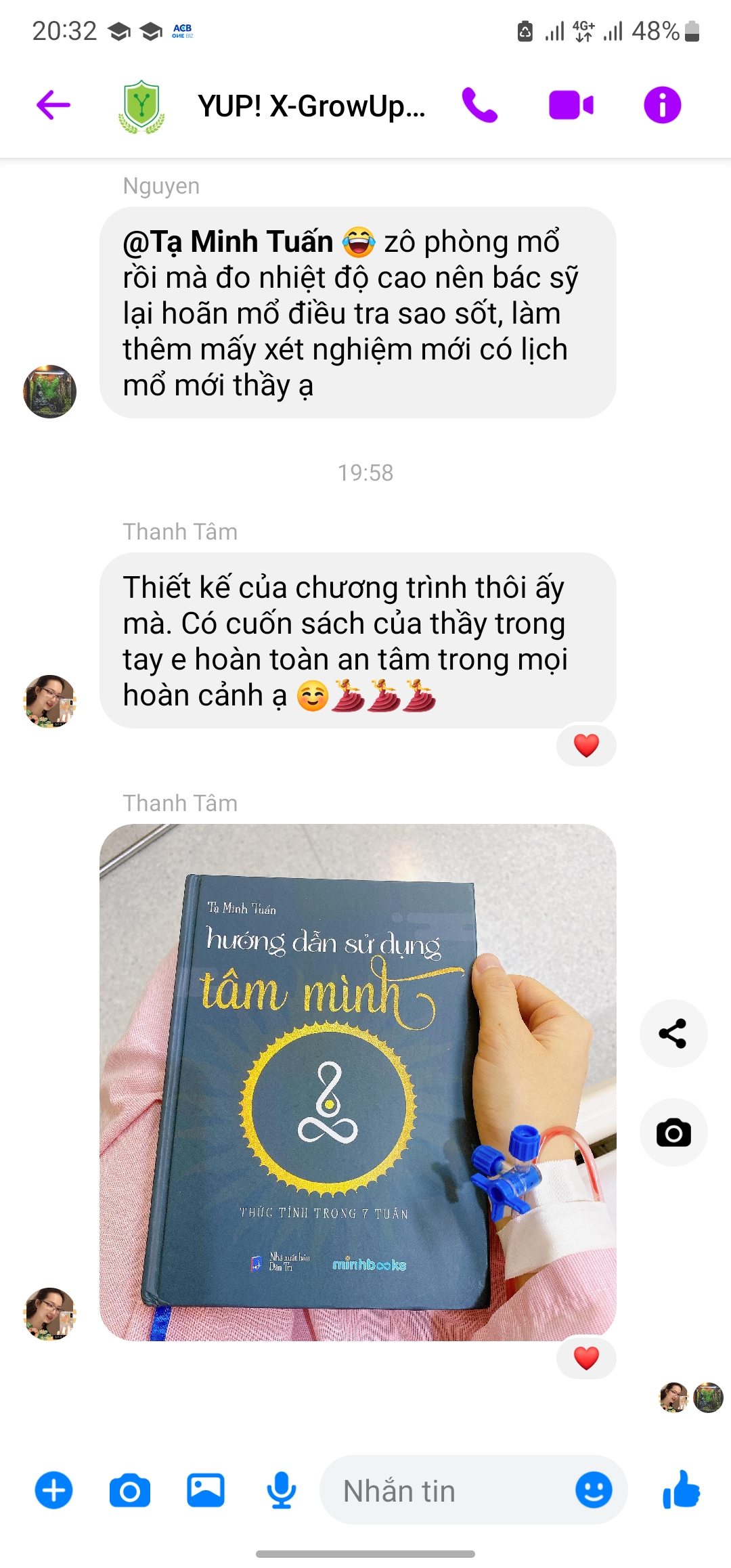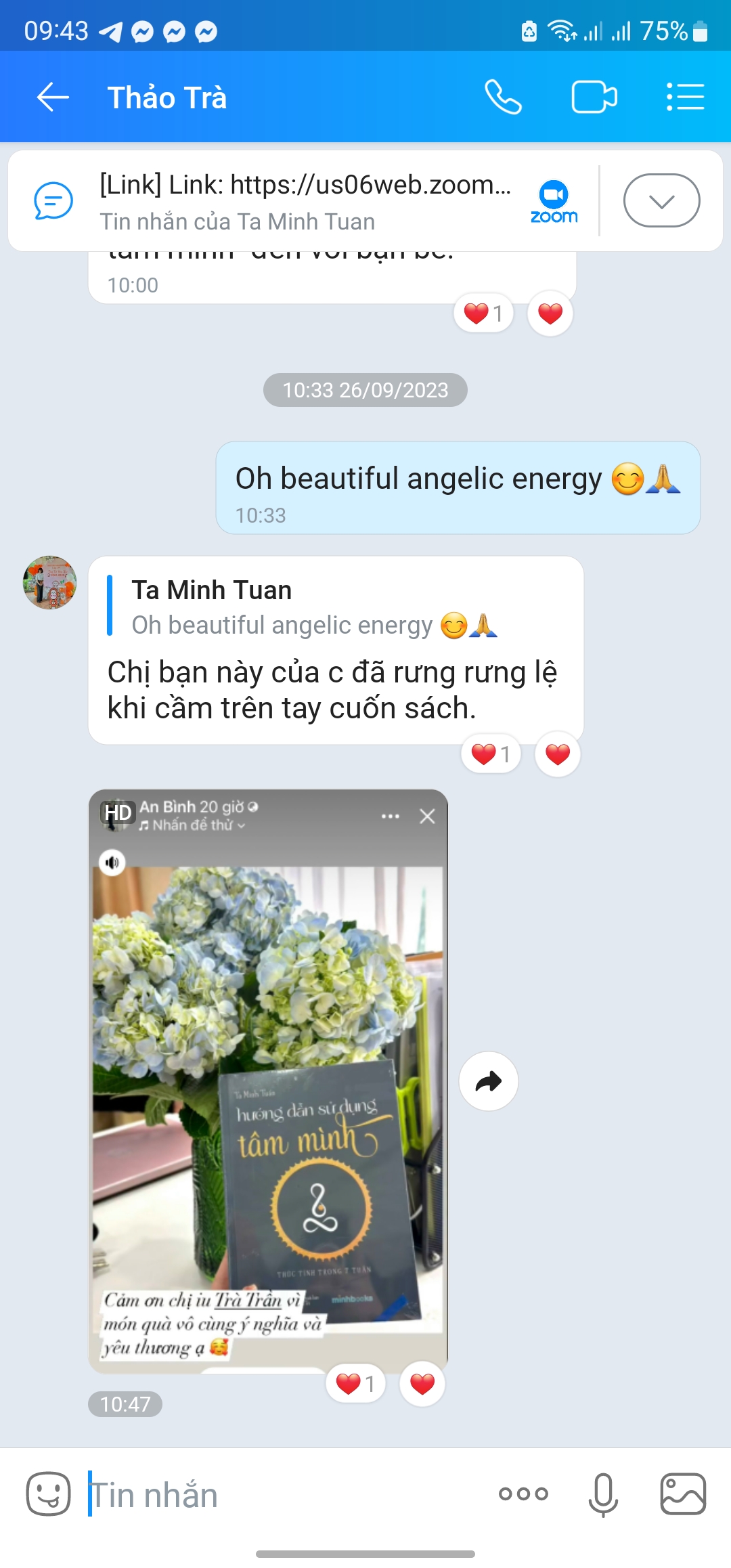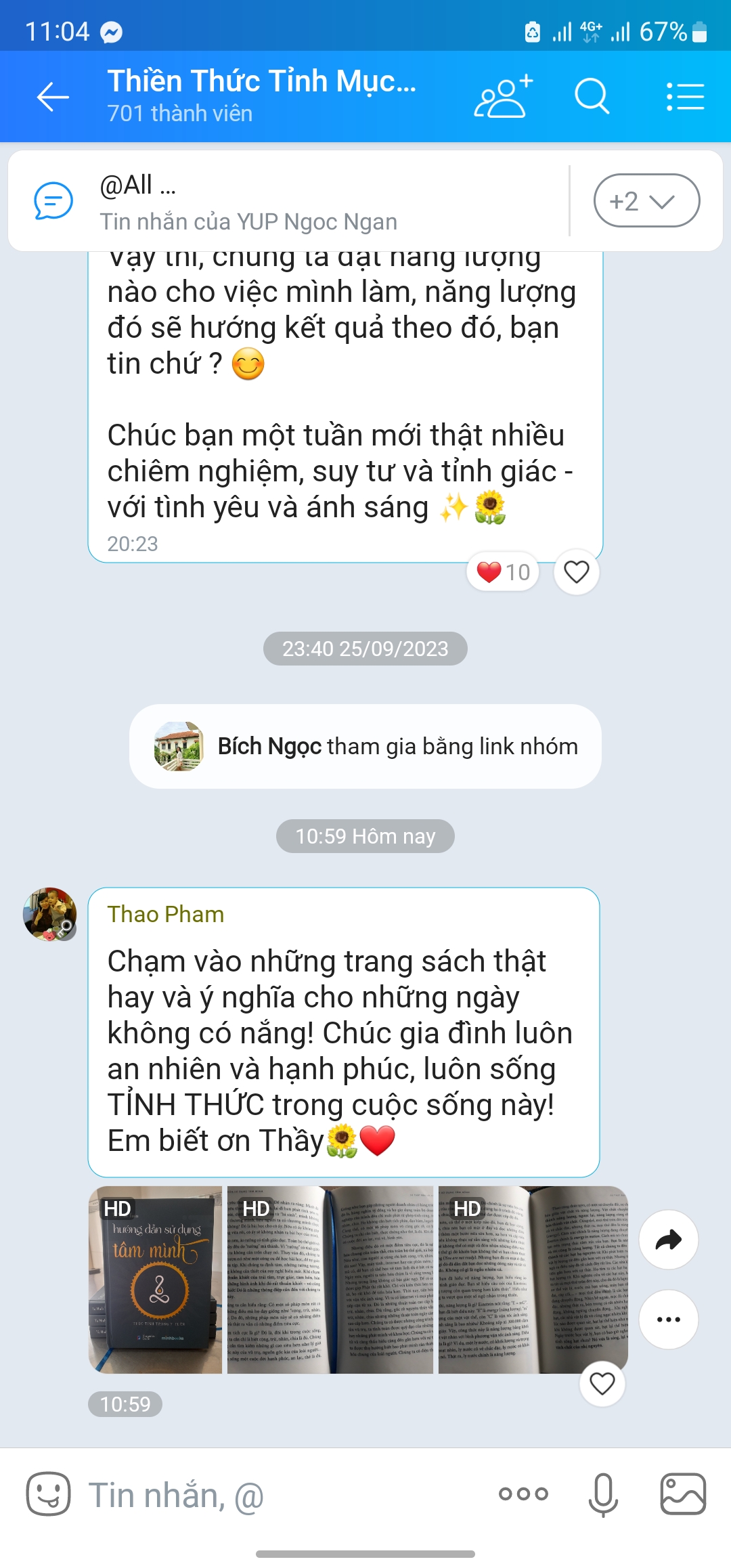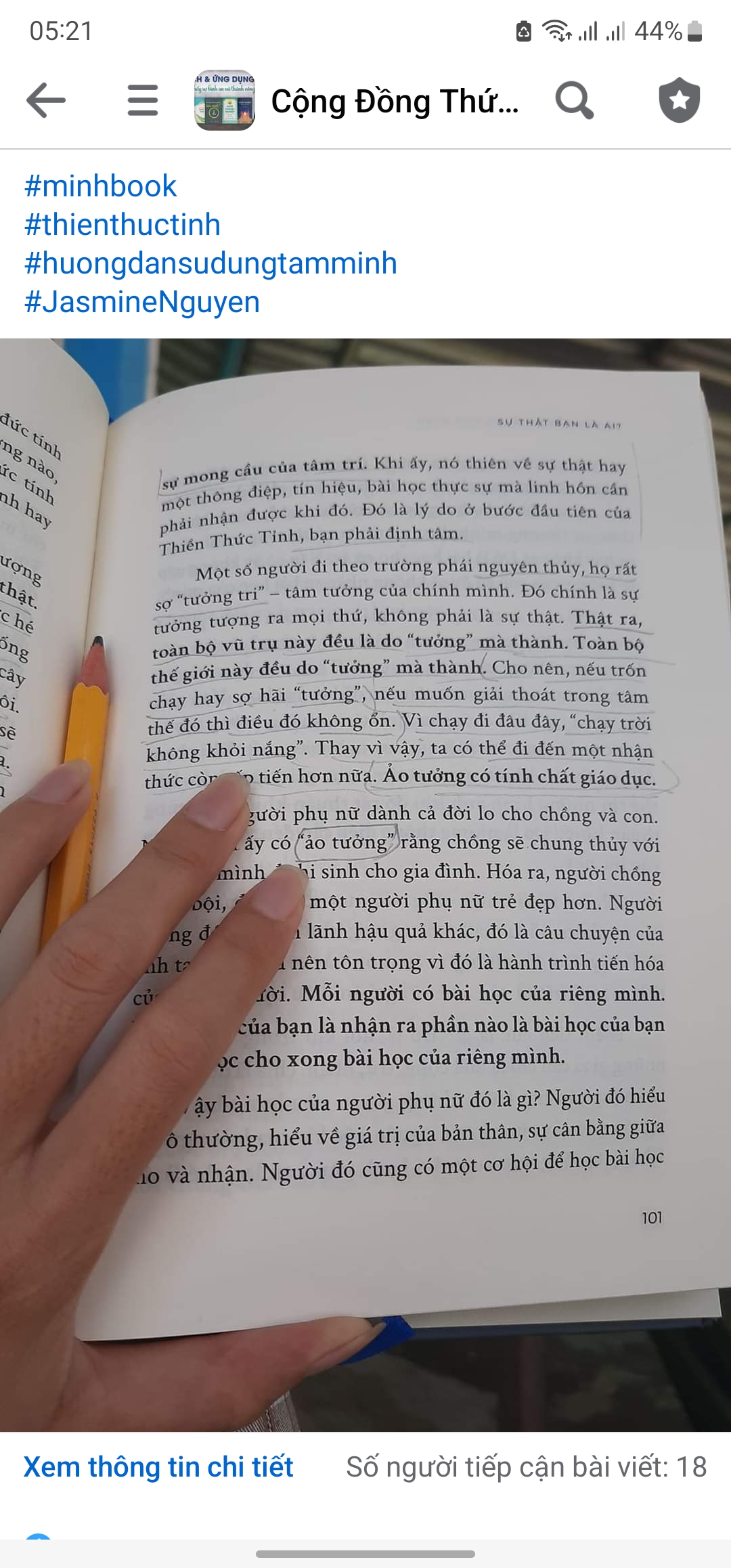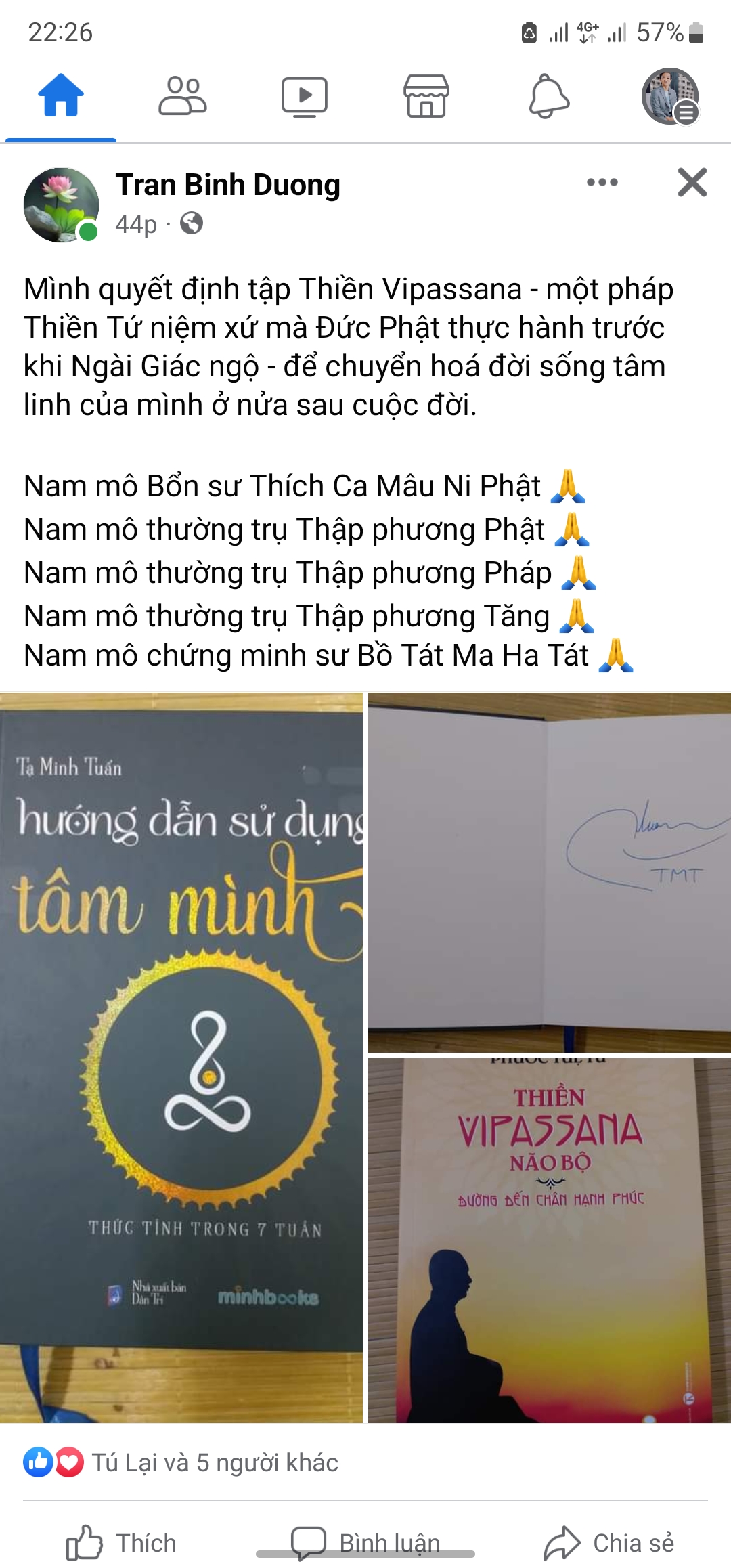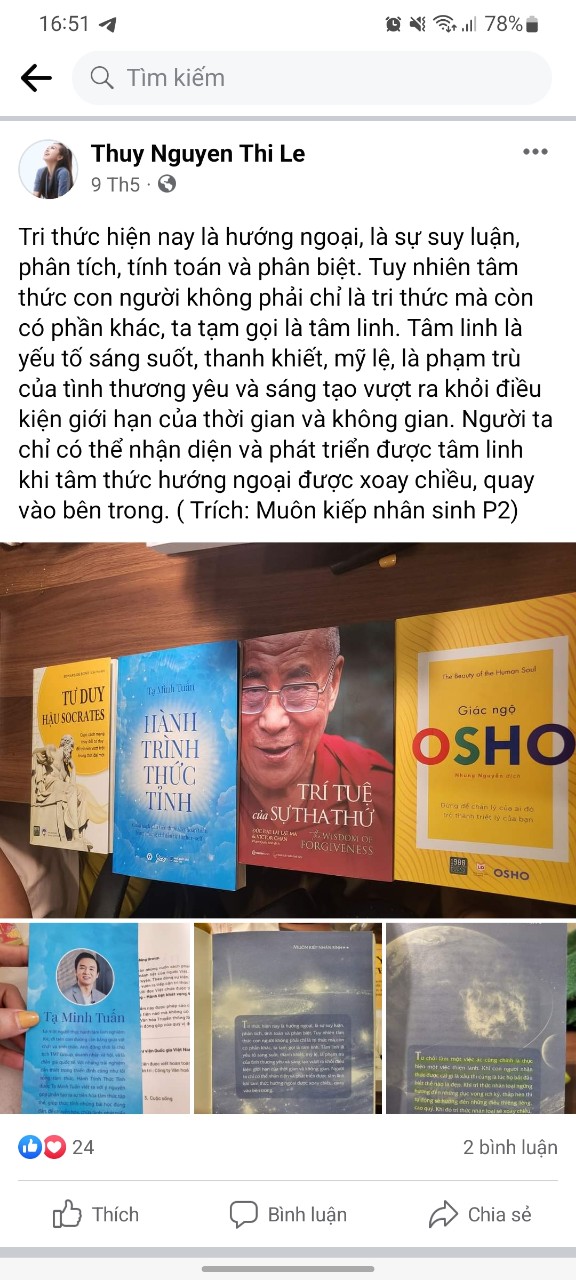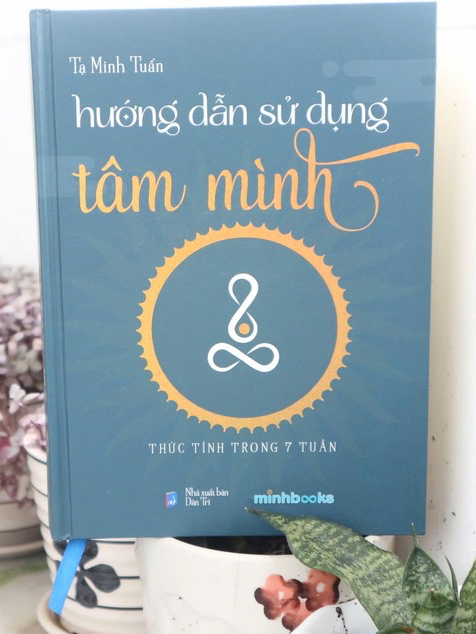
A USER'S GUIDE TO YOUR MIND
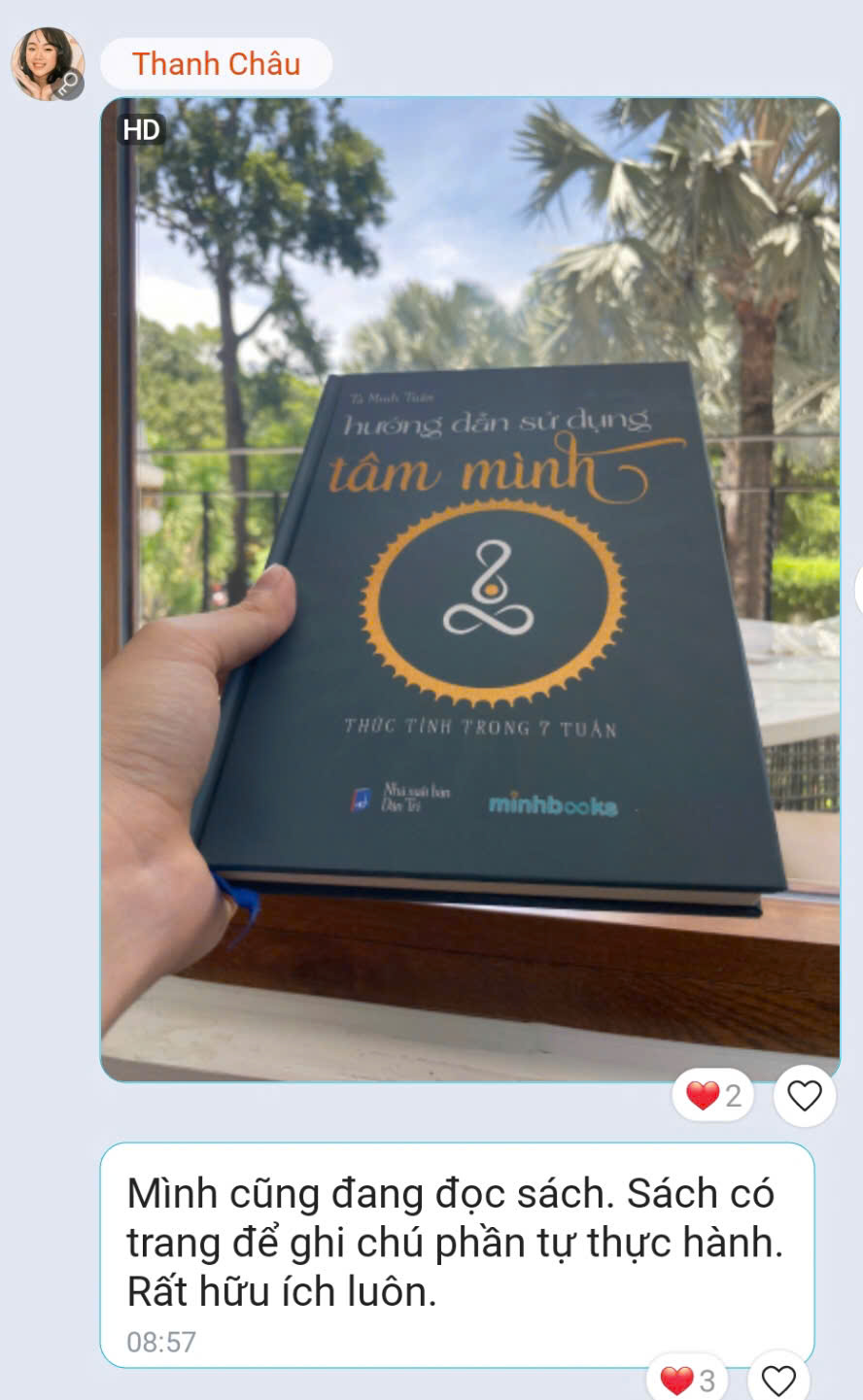
Dear reader, A User’s Guide to Your Mind is entirely suitable for you if you want to give yourself the best and most precious things. You want to love yourself, cherish your soul, and walk the path of opening the mind, becoming a brilliant, radiant version — the best version of yourself.
And then, when you find true inner peace, you will be able to spread that peace to those closest to you, beginning with your own family.
That is why this book's content addresses only 3 things.
It is truth, truth, and truth.
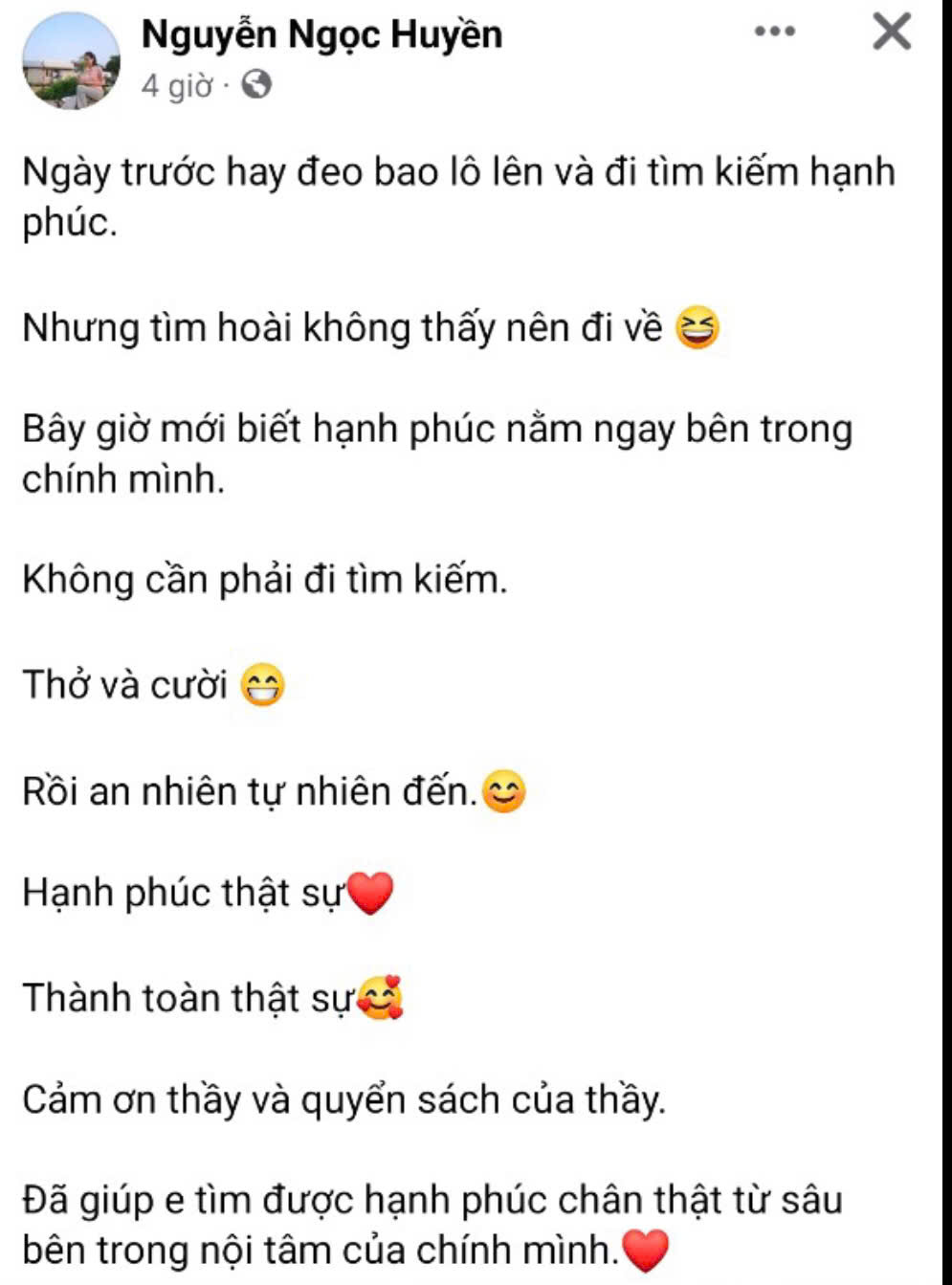
“Instead of money, faith, fame, justice, passion, dreams, ambition, aspiration… Give me truth.” – Perhaps some echo (the voice) within you would say the same. Truth will liberate you into a person of freedom. Beyond every healing method, truth will truly heal you, mend you, and return you to completeness and wholeness (wholeness, holo).
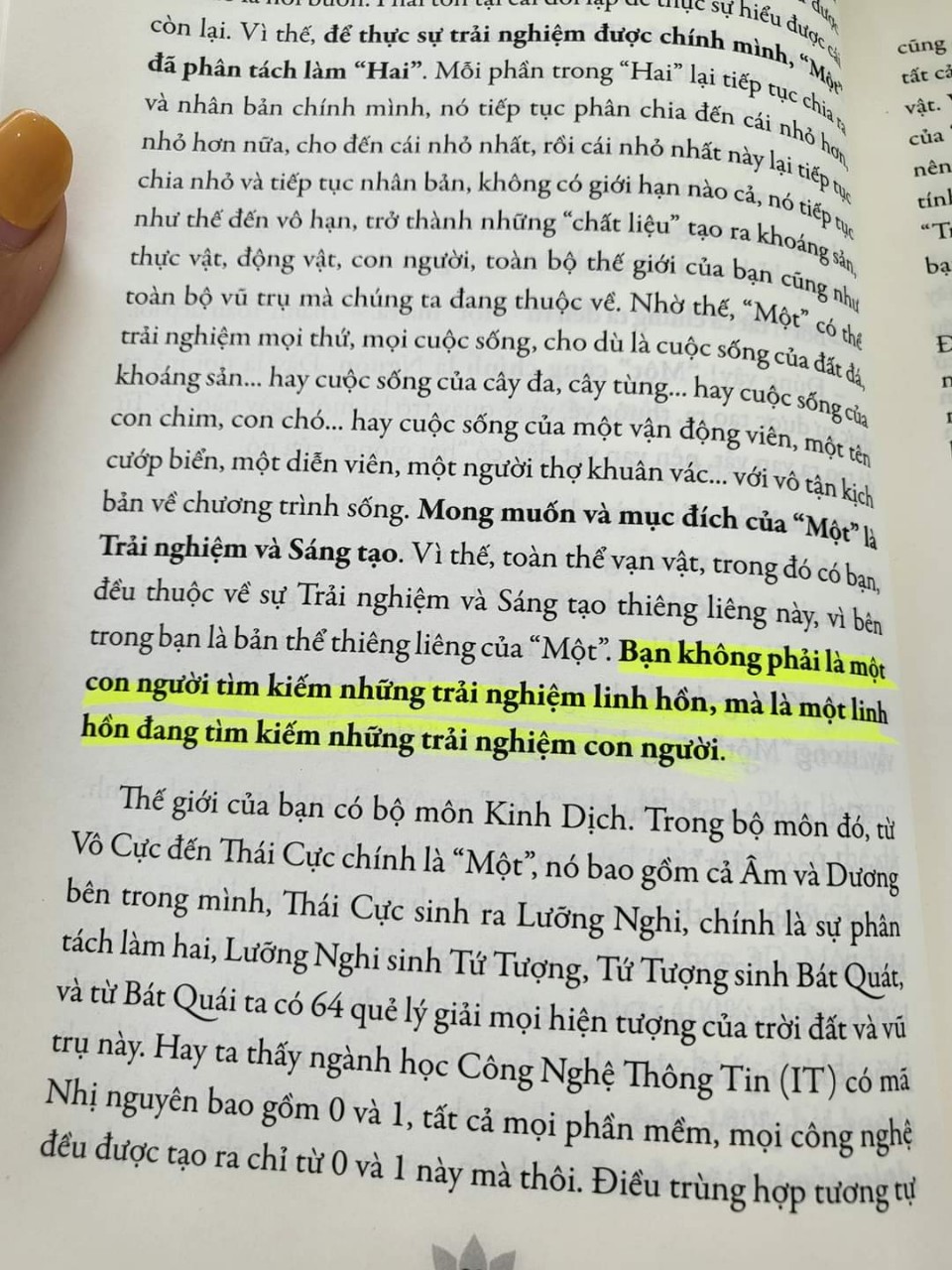
This book shares truths about You and the Universe, each Part and the Whole, the One and the All.

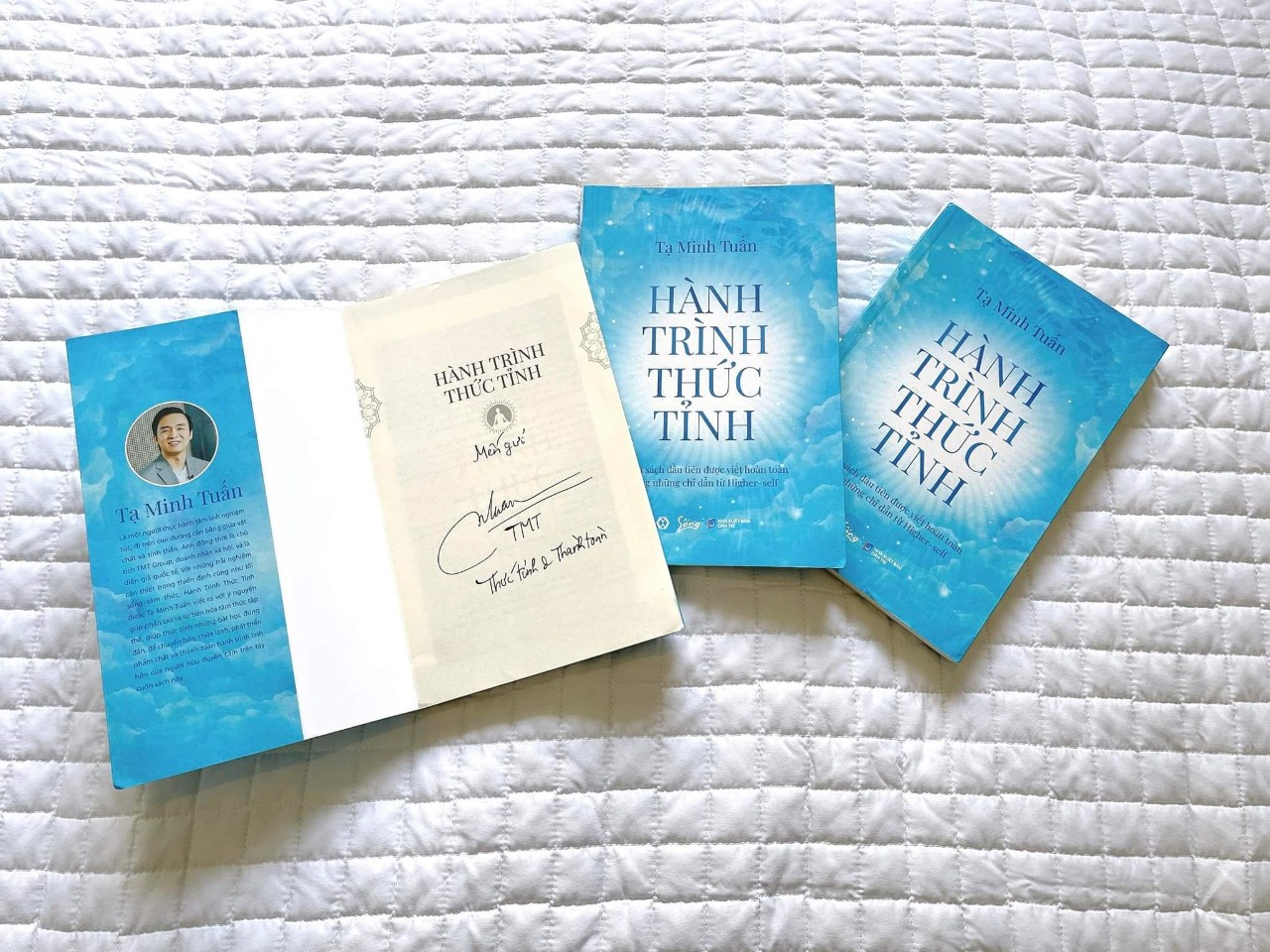
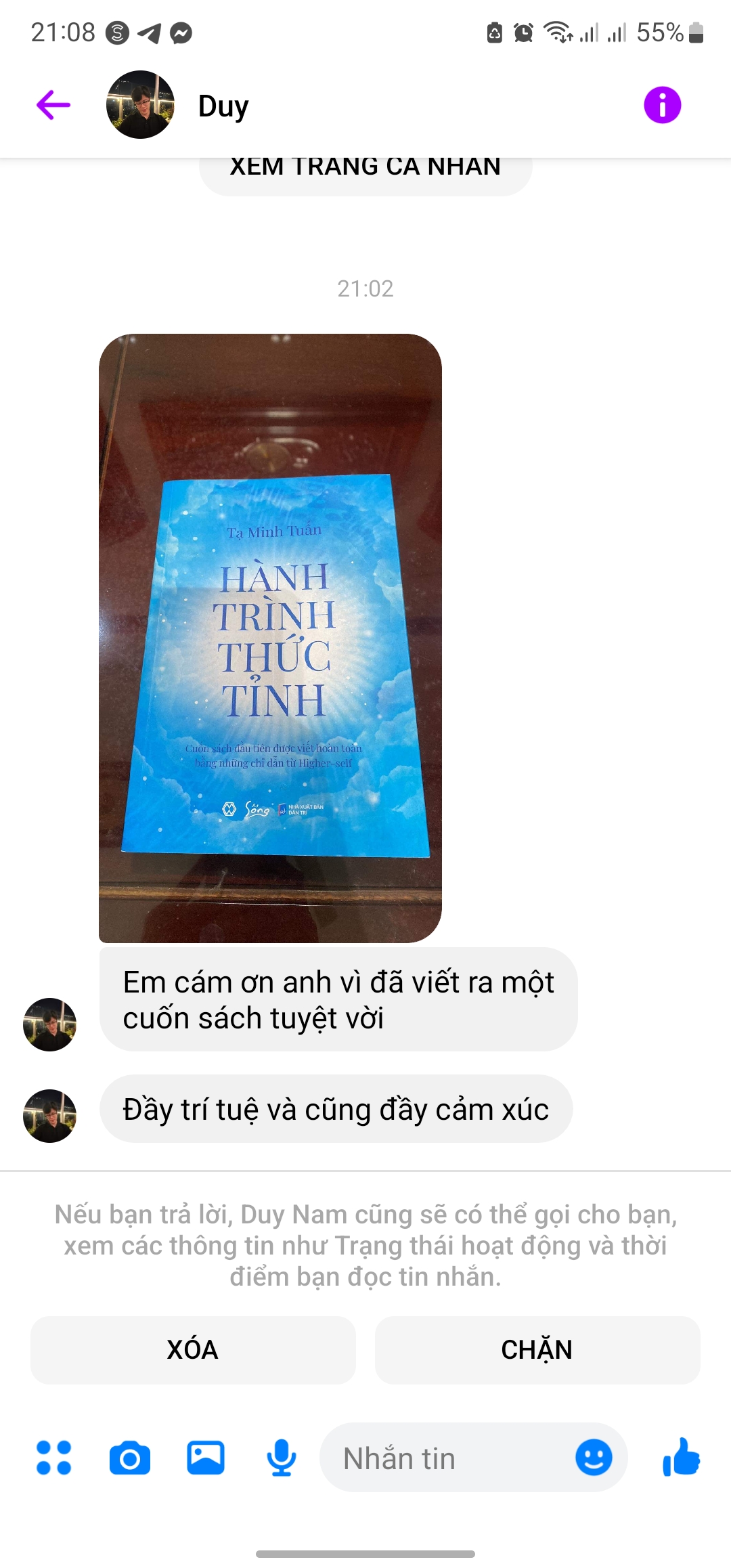
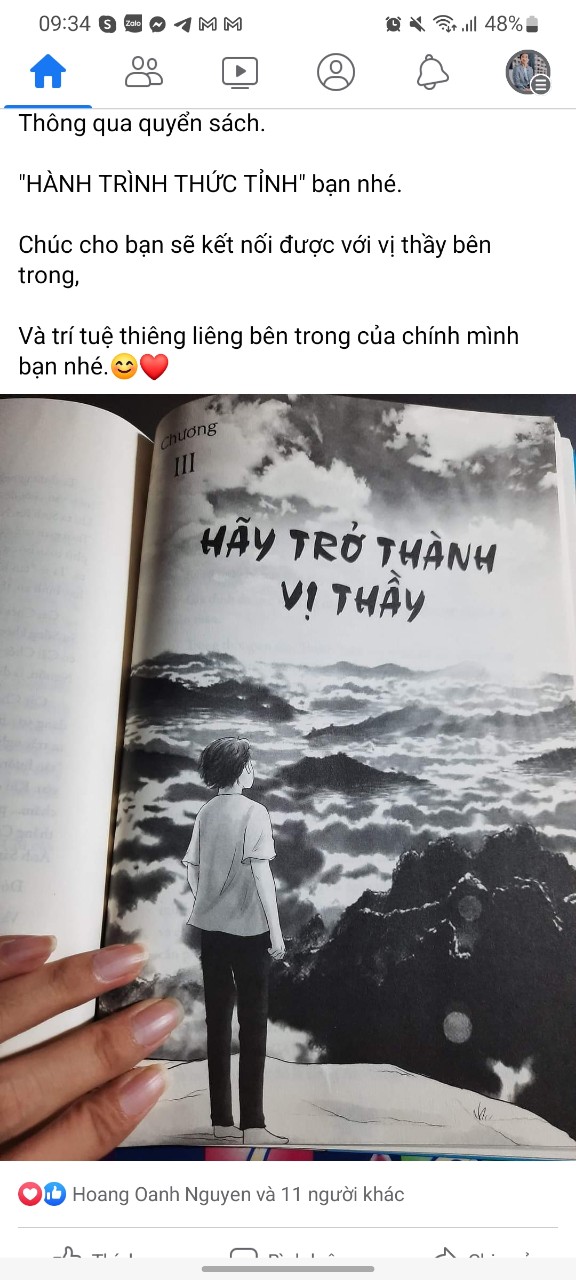
THE JOURNEY OF AWAKENING
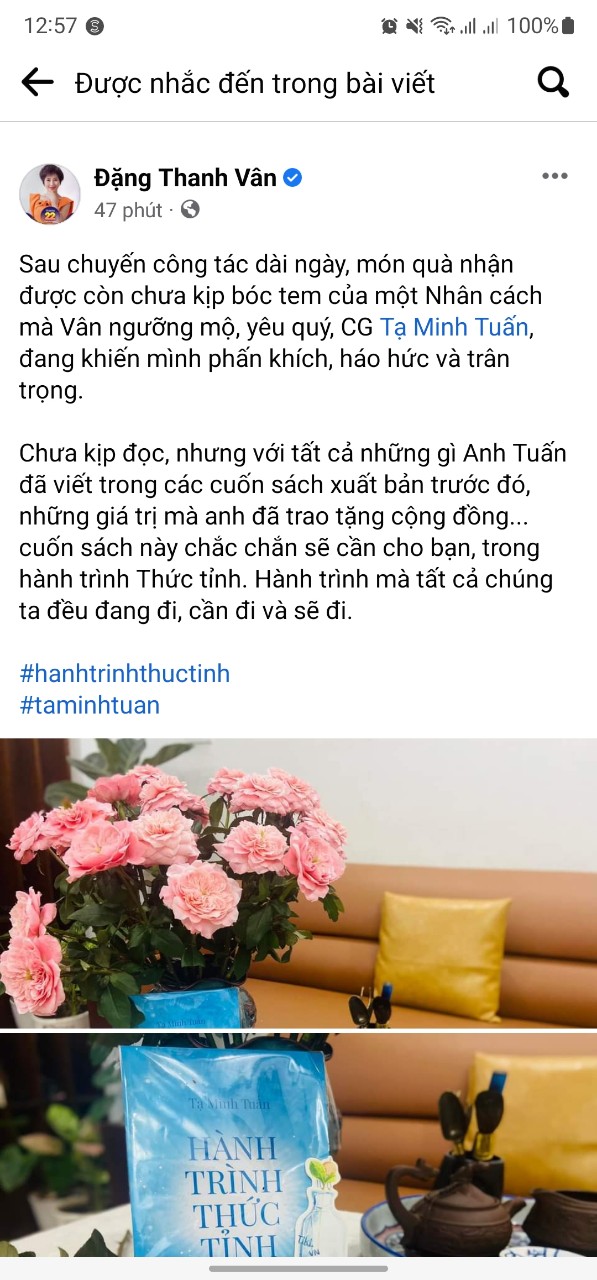
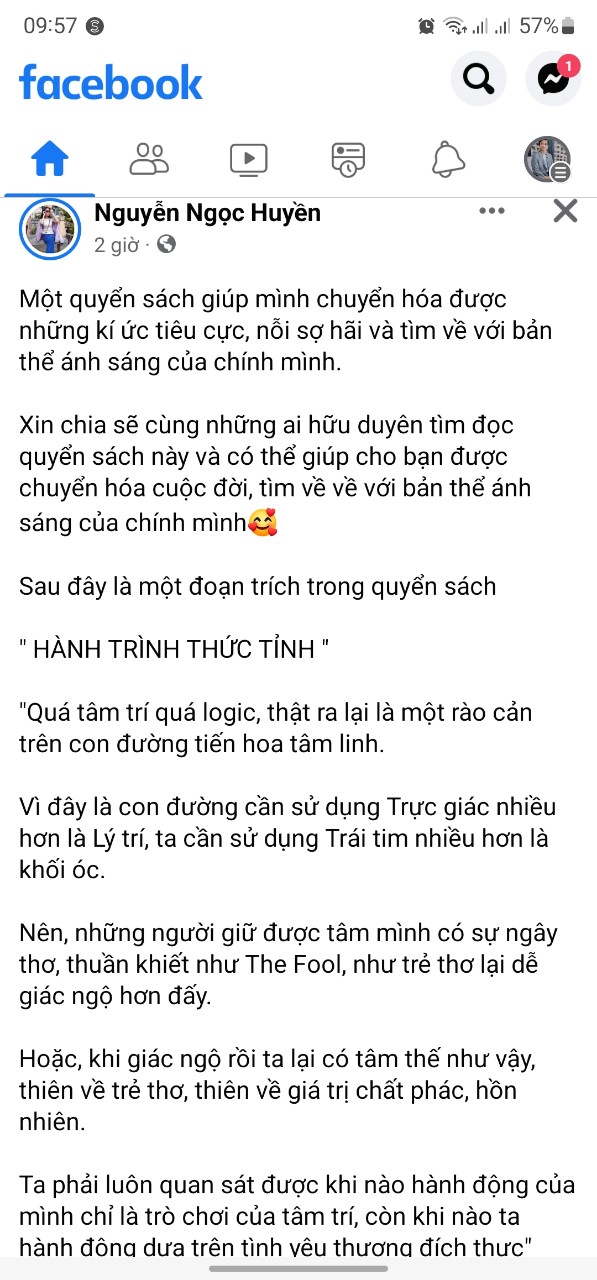
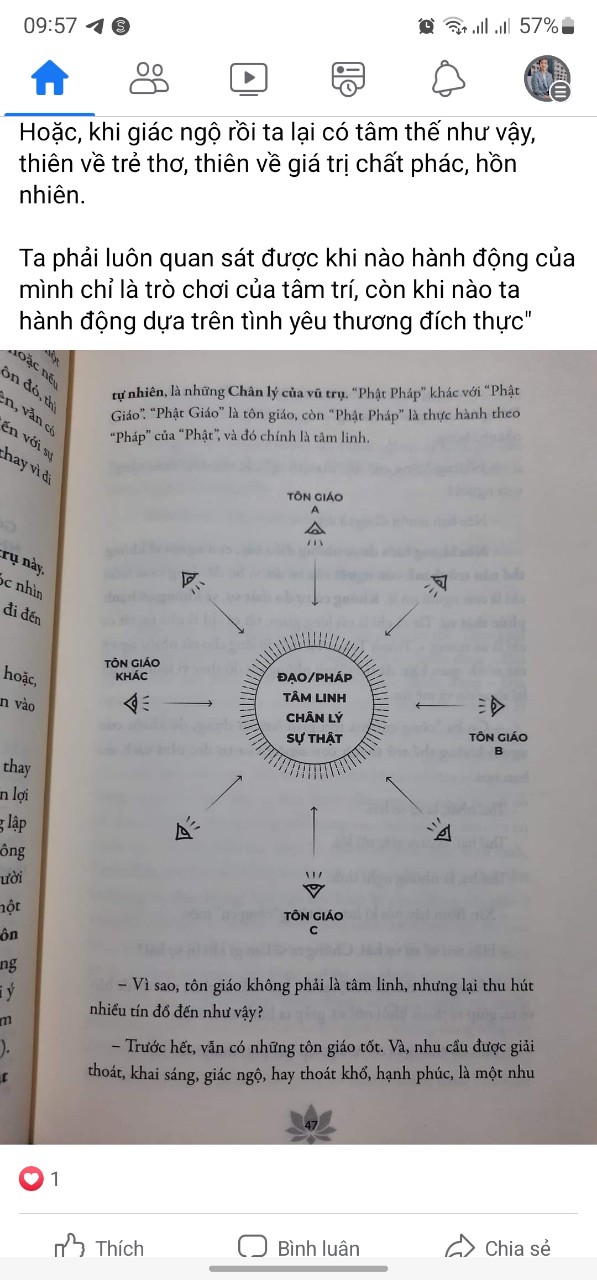
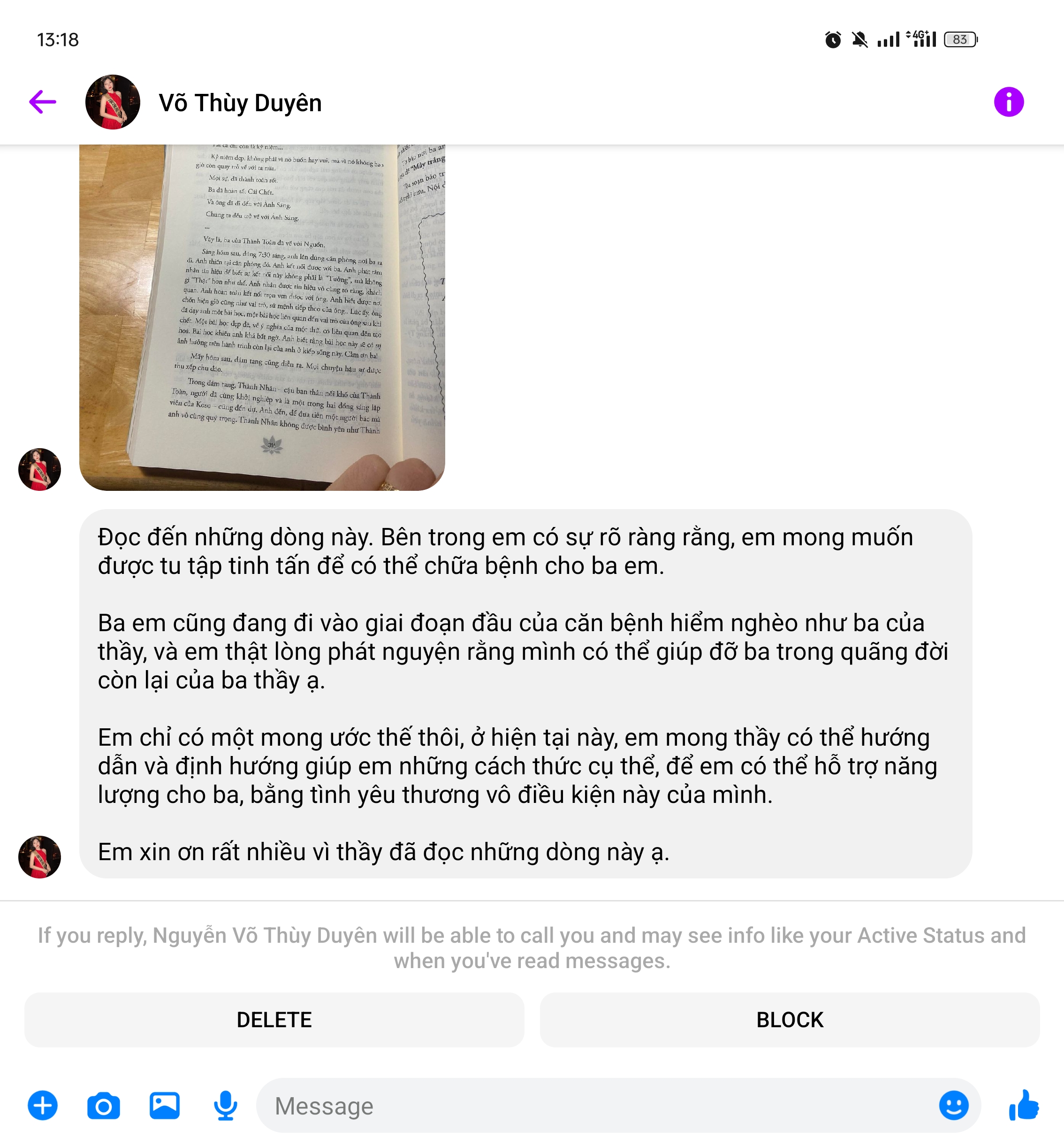
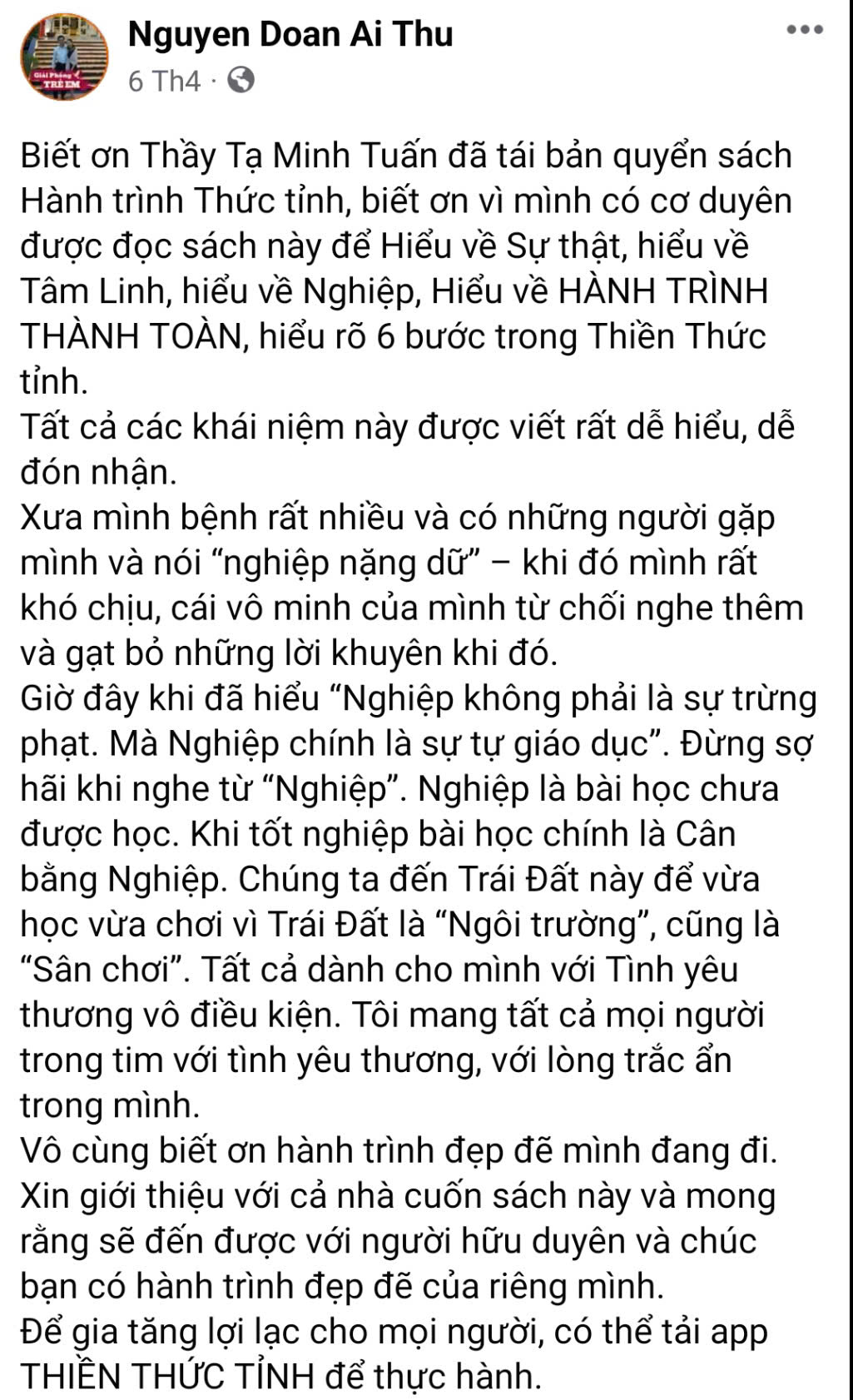
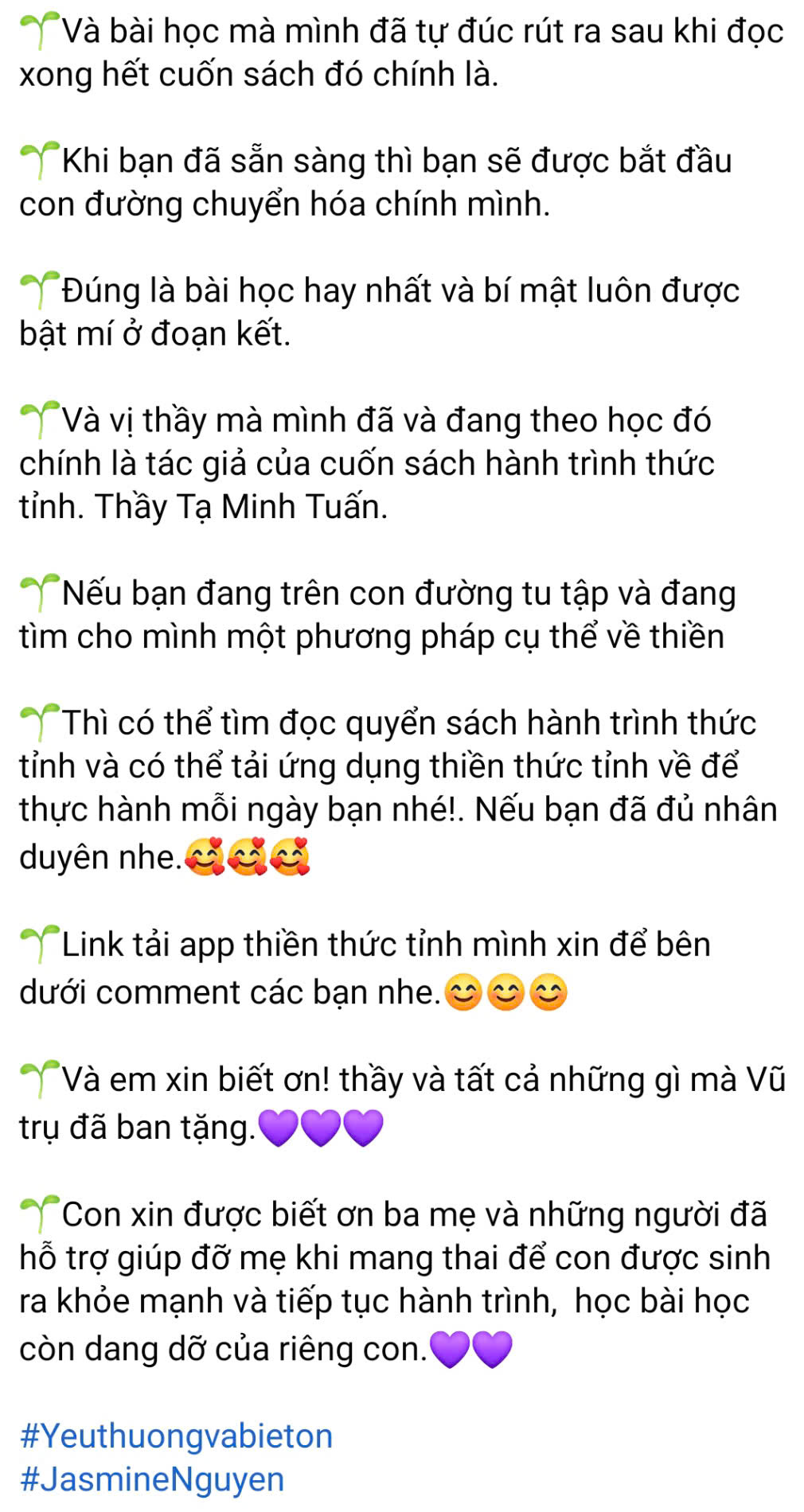
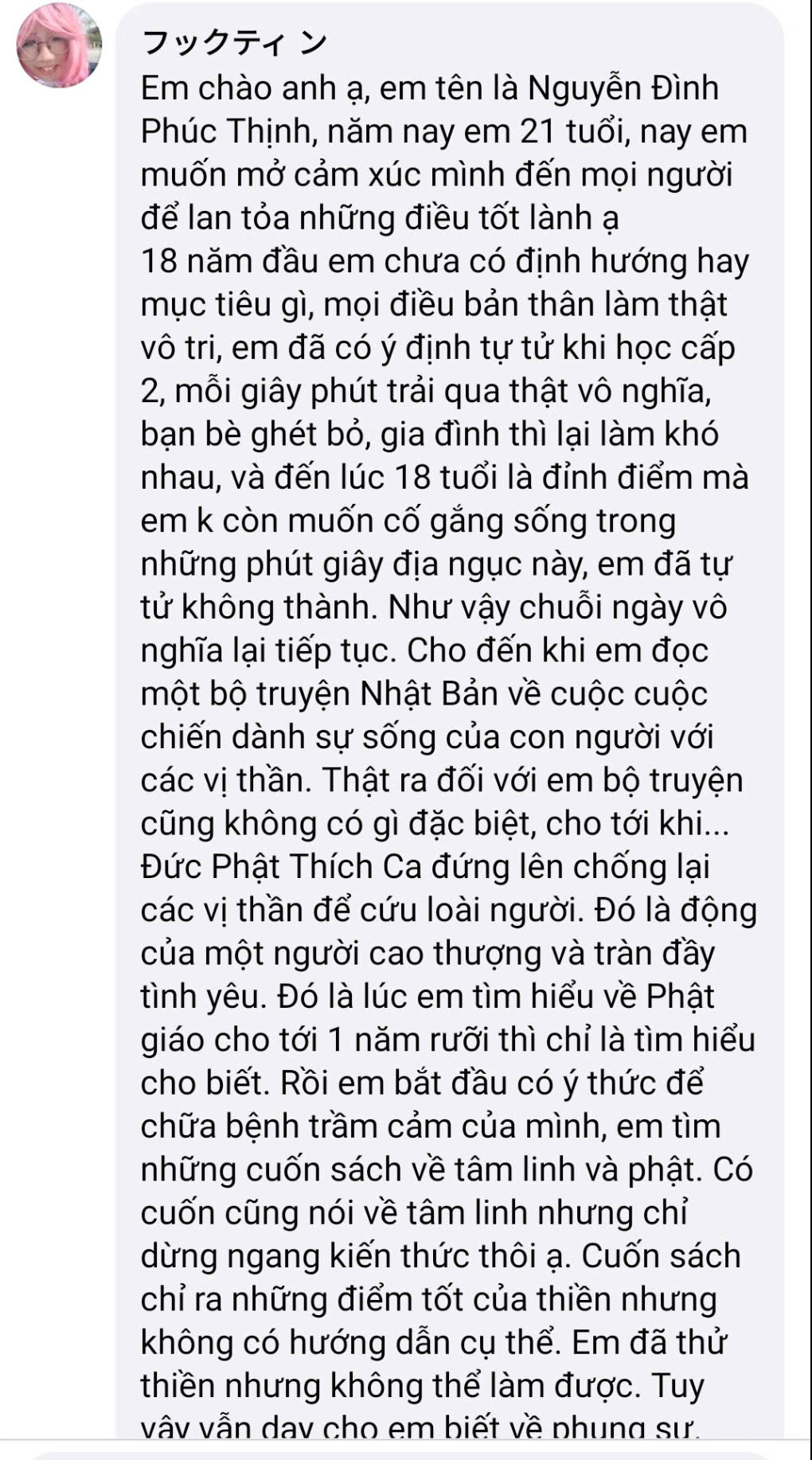
The Journey of Awakening records the search for truth and life's meaning through the ups and downs of its protagonist, Thành Toàn. He gradually finds answers to his spiritual concerns through dialogue with his own spiritual teacher, whatever form that teacher takes.
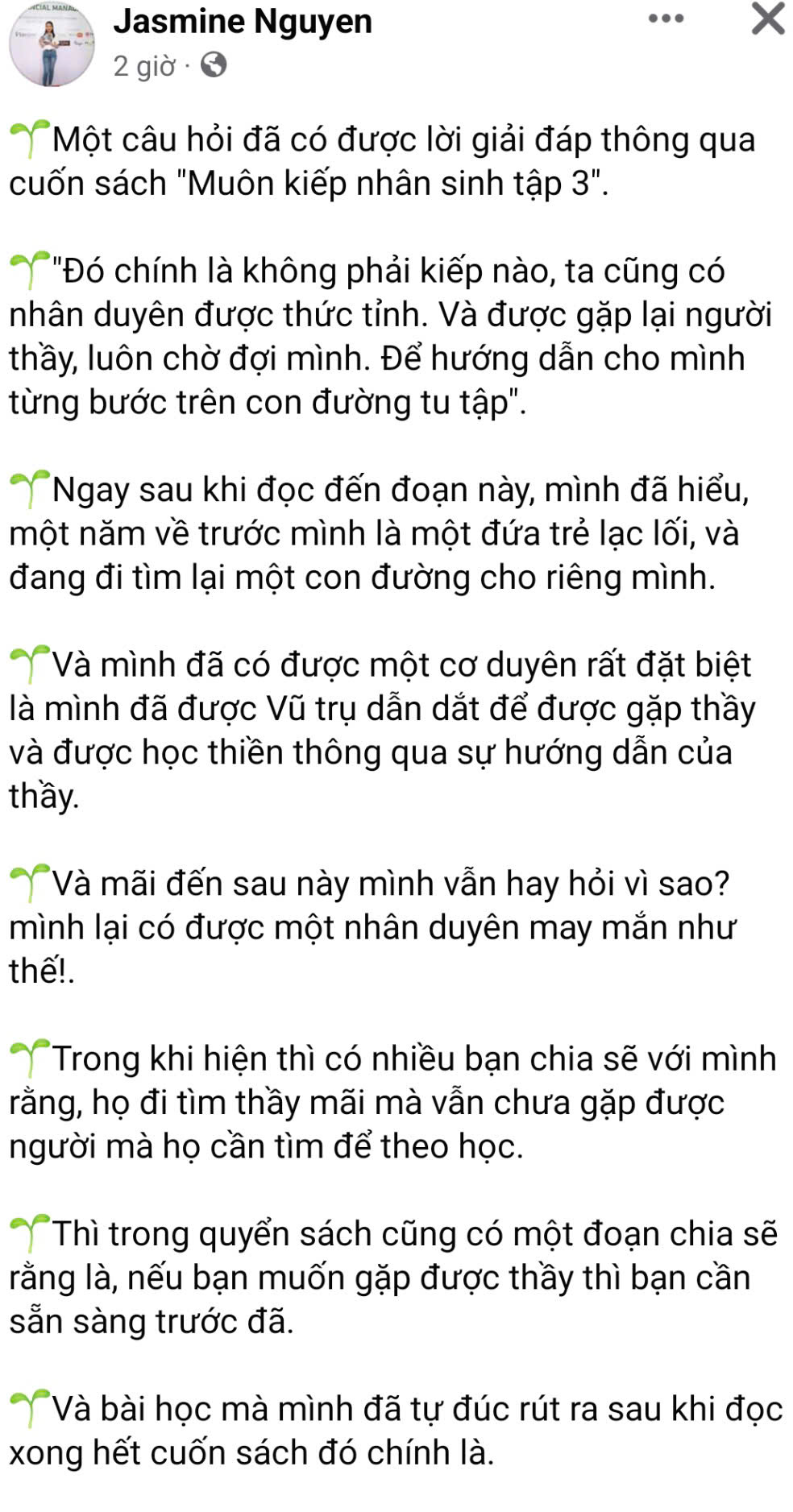
The book is a guiding map for anyone still questioning humanity, death, life, awakening, and more on the journey toward true happiness and their own best essence.
The book also offers very specific, accessible practice instructions. These allow any of us to take the first steps back to our pure essence without having to find the way by trial and error.
Despite life's ups and downs, failures and acclaim in his career and relationships, Thành Toàn still carries a persistent concern: amid all this, where is genuine happiness? The question seems simple, yet it is one of life's deepest reflections. Could it be that the more we seek happiness in the outside world, the more we realize those things are never enough?
As you turn the pages, each dialogue between Thành Toàn and Bờm gradually reveals answers to life’s dilemmas, with detailed practical guidance at the end of each section. At some moment, we may find ourselves truly peaceful and still, returning to ourselves and to each person’s purest nature.

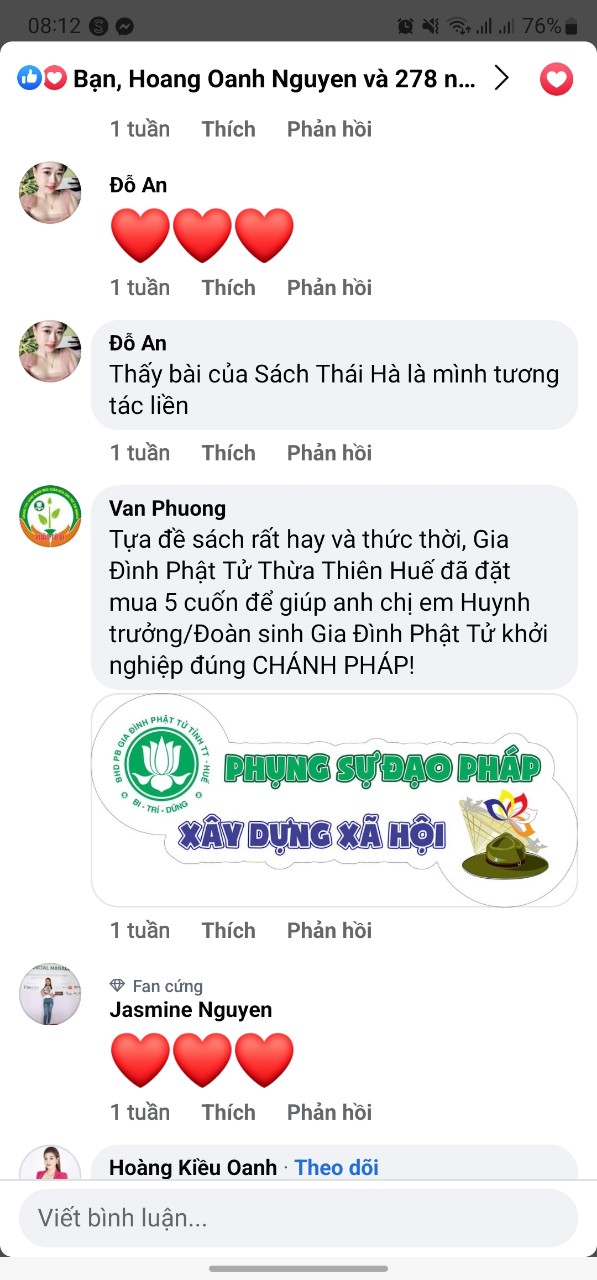
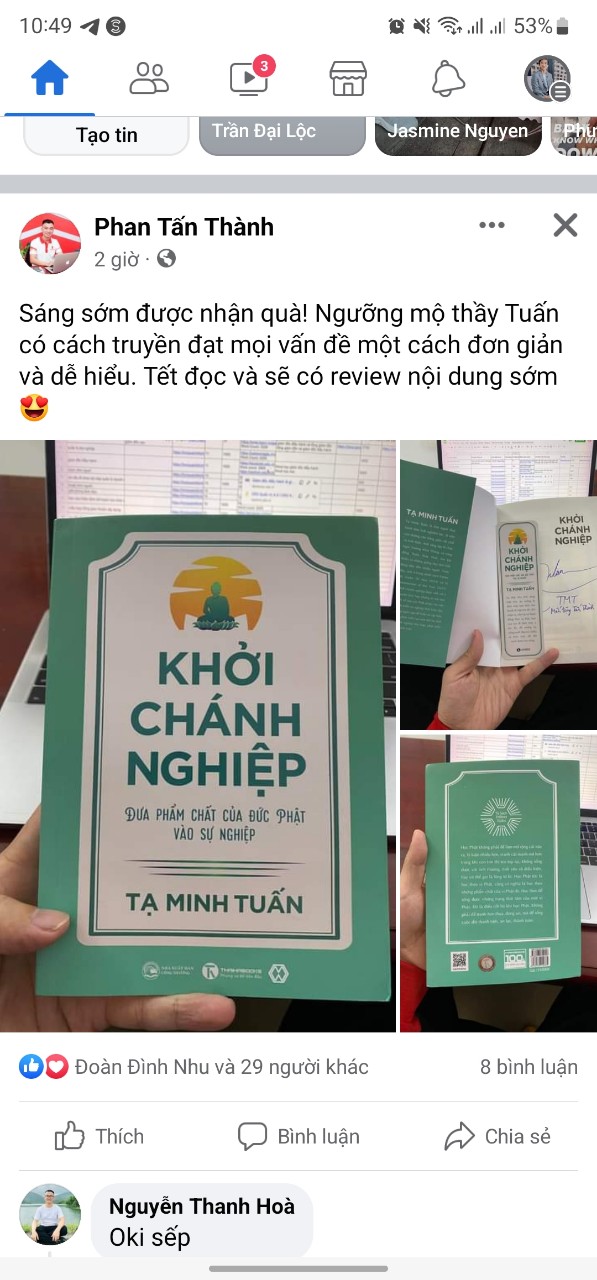
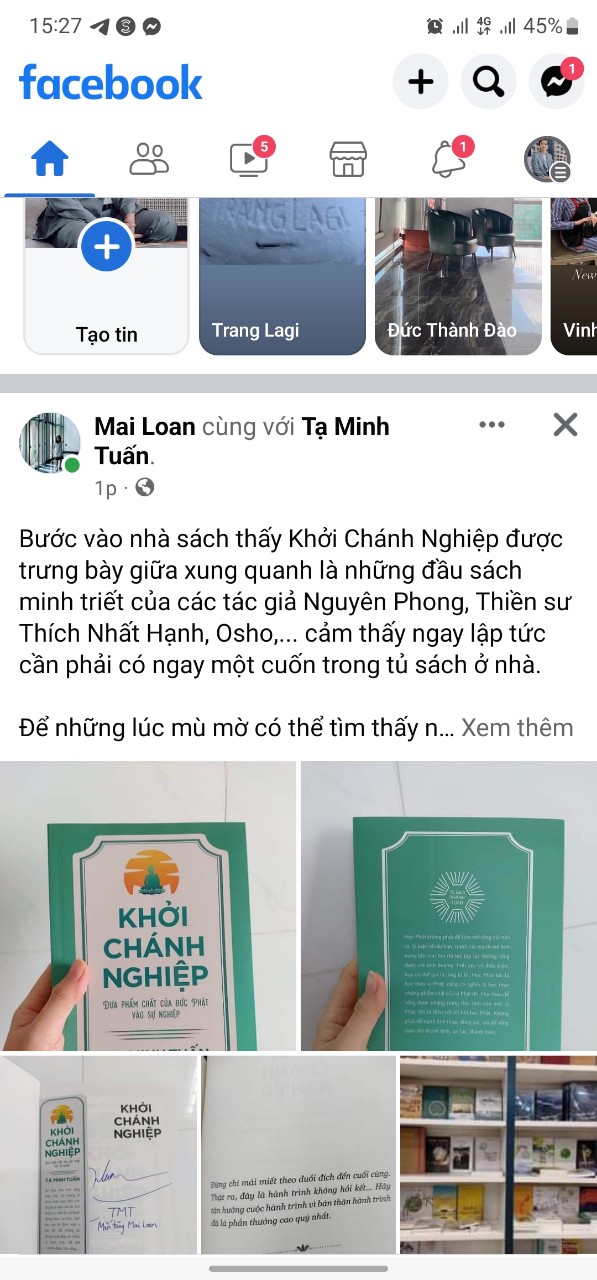
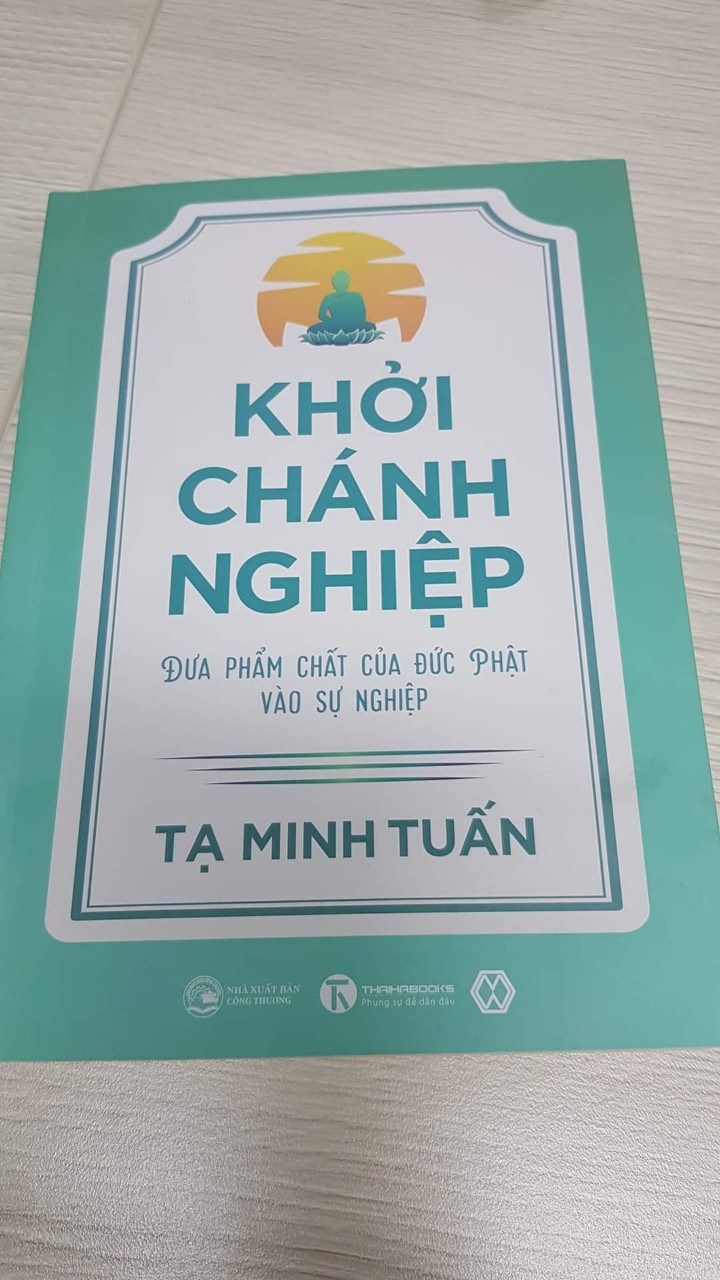
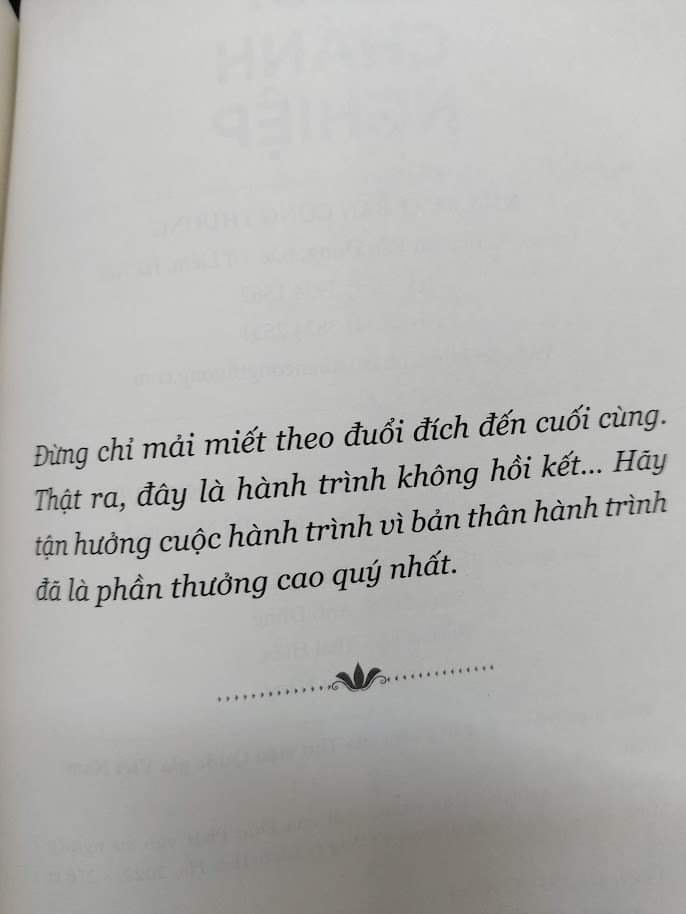
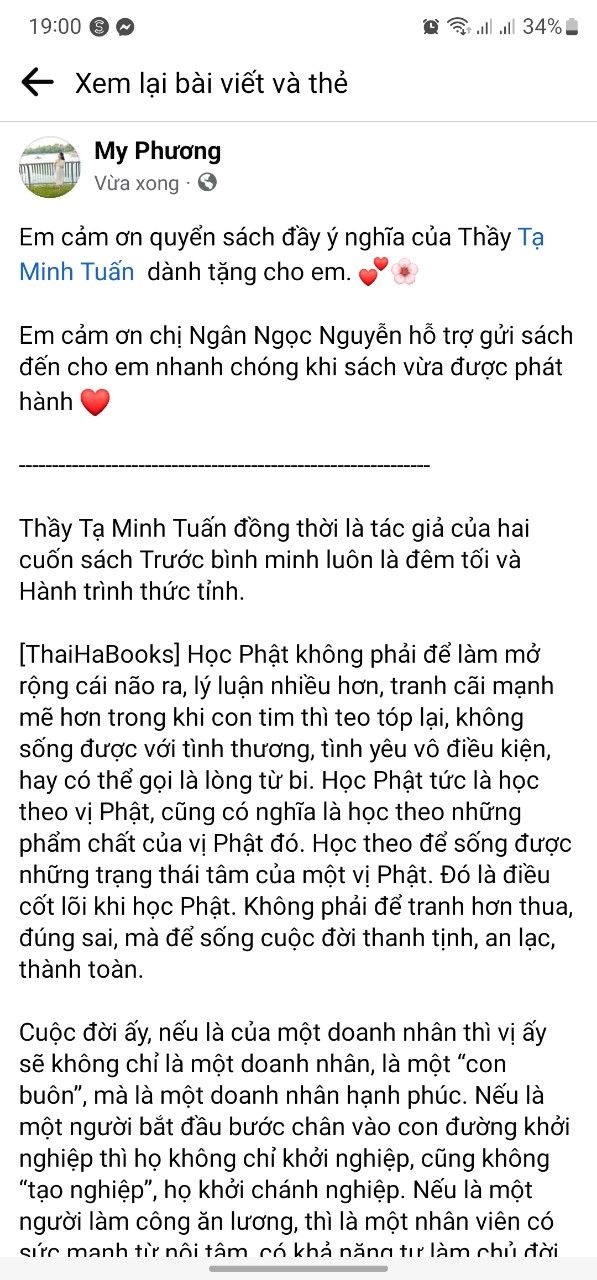
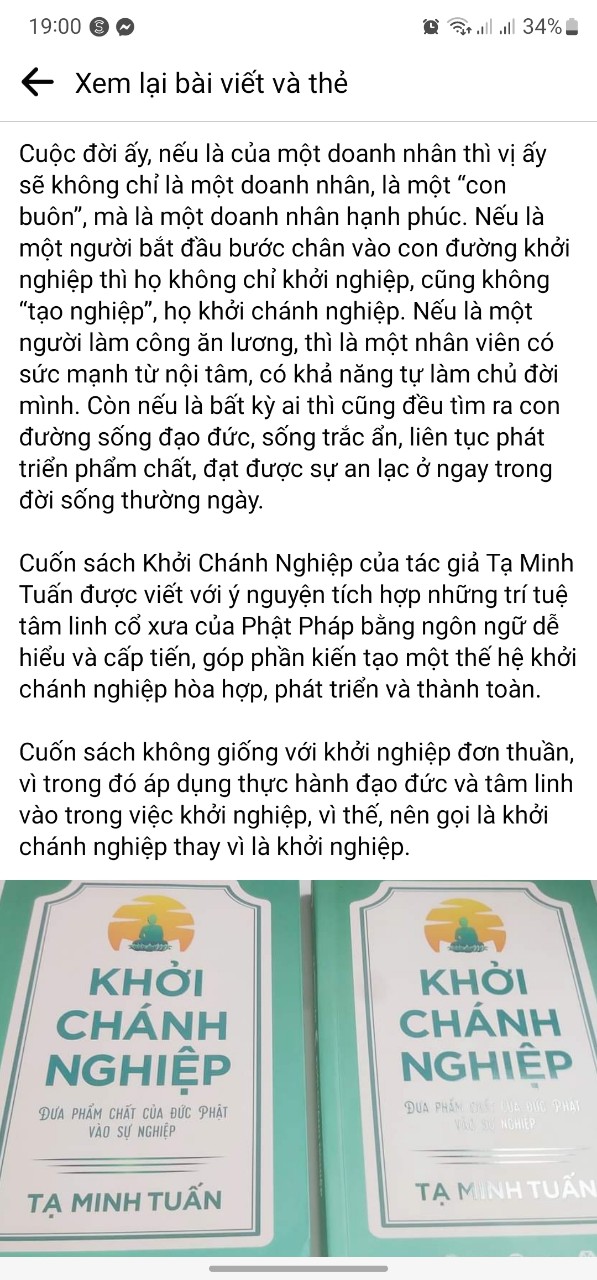
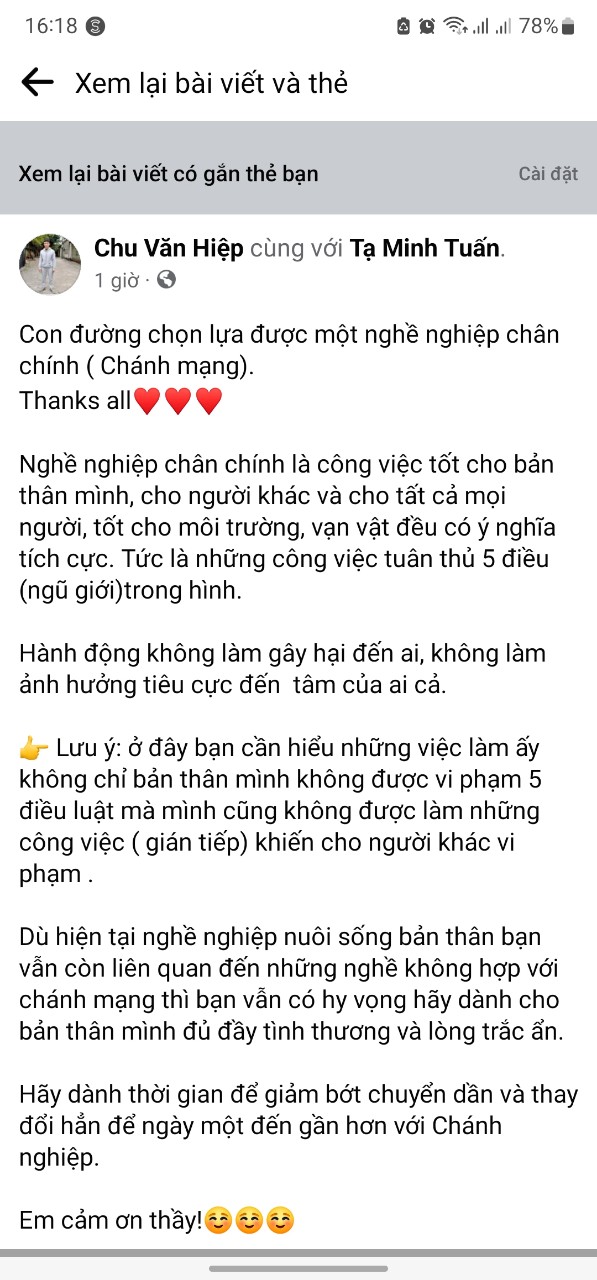
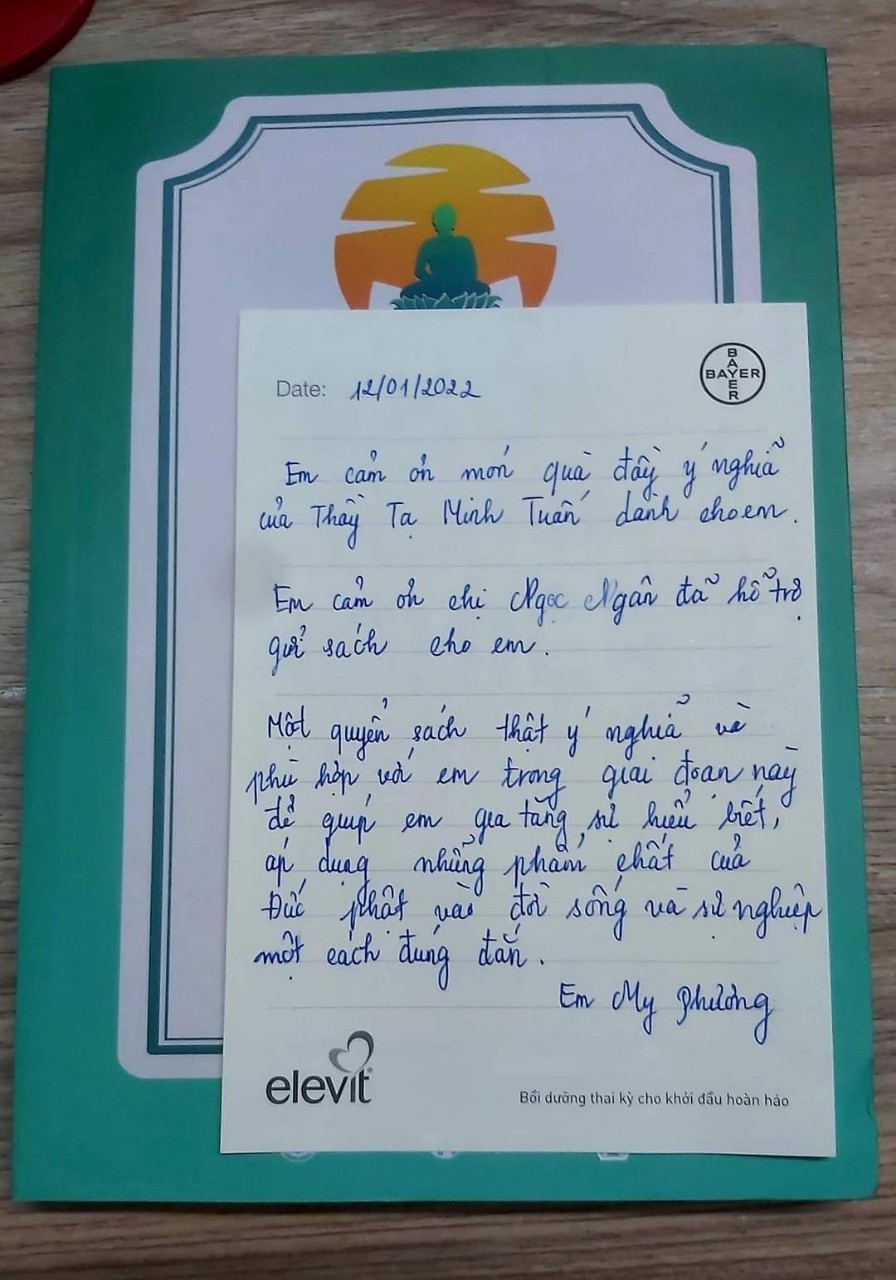
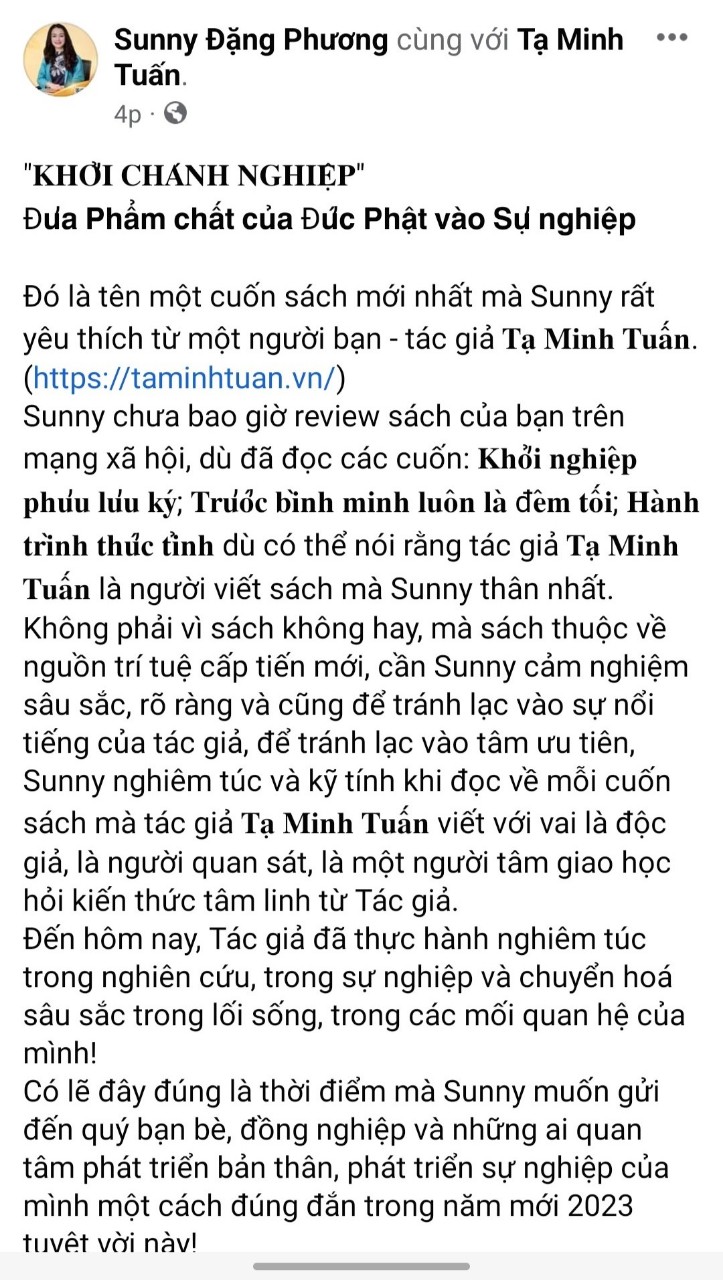
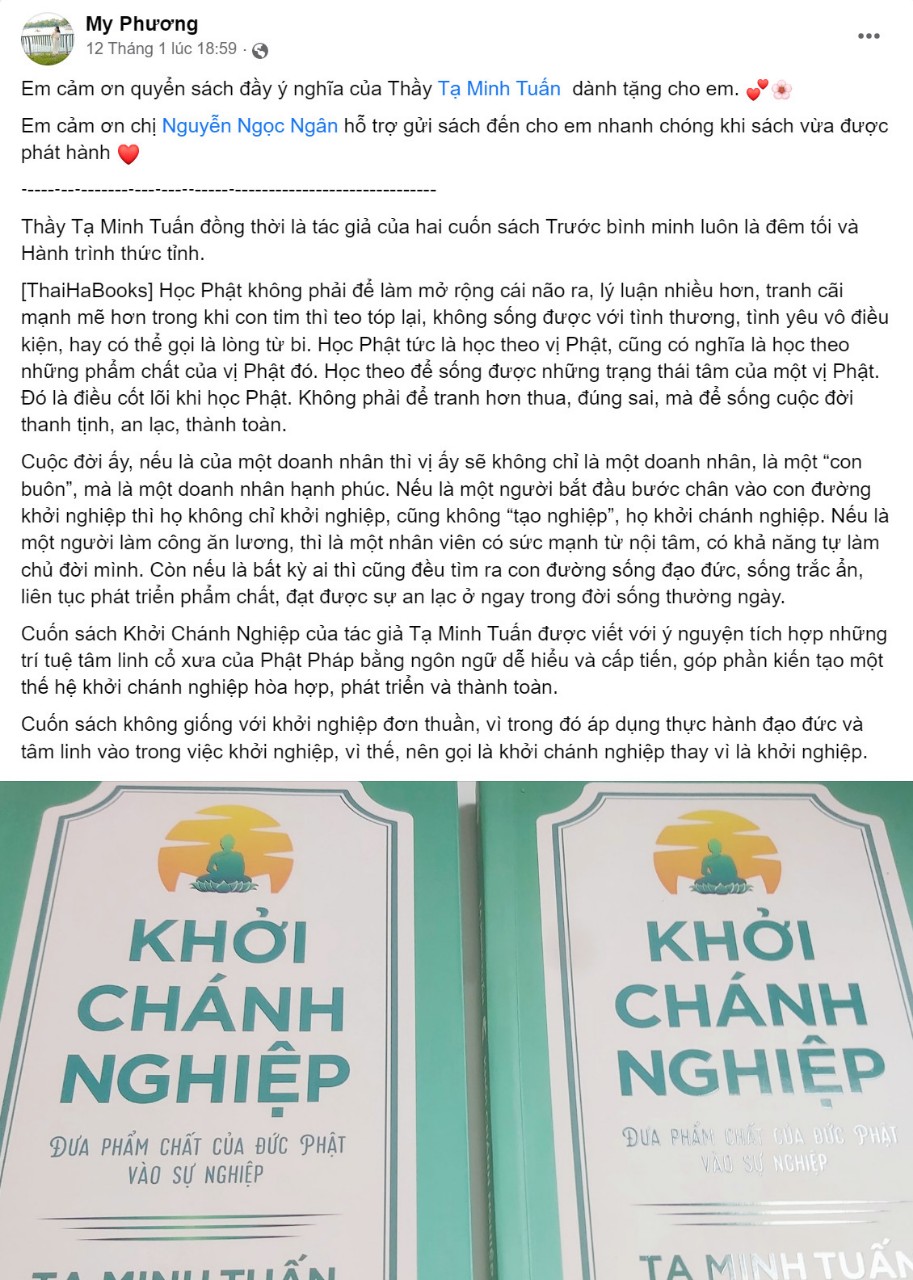
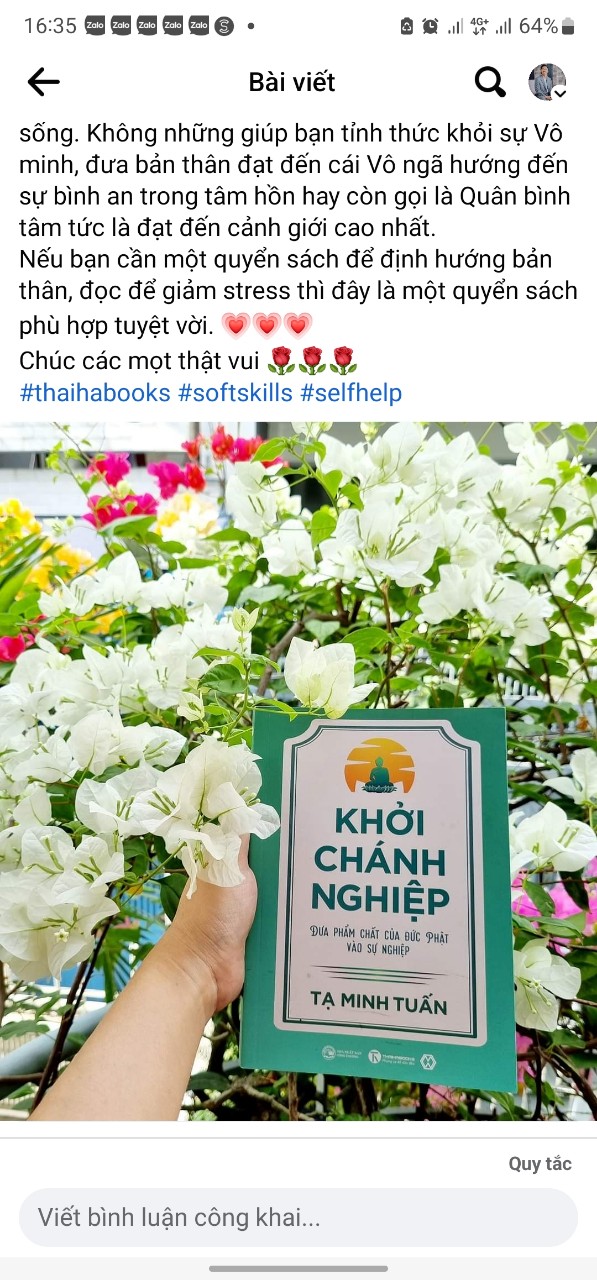
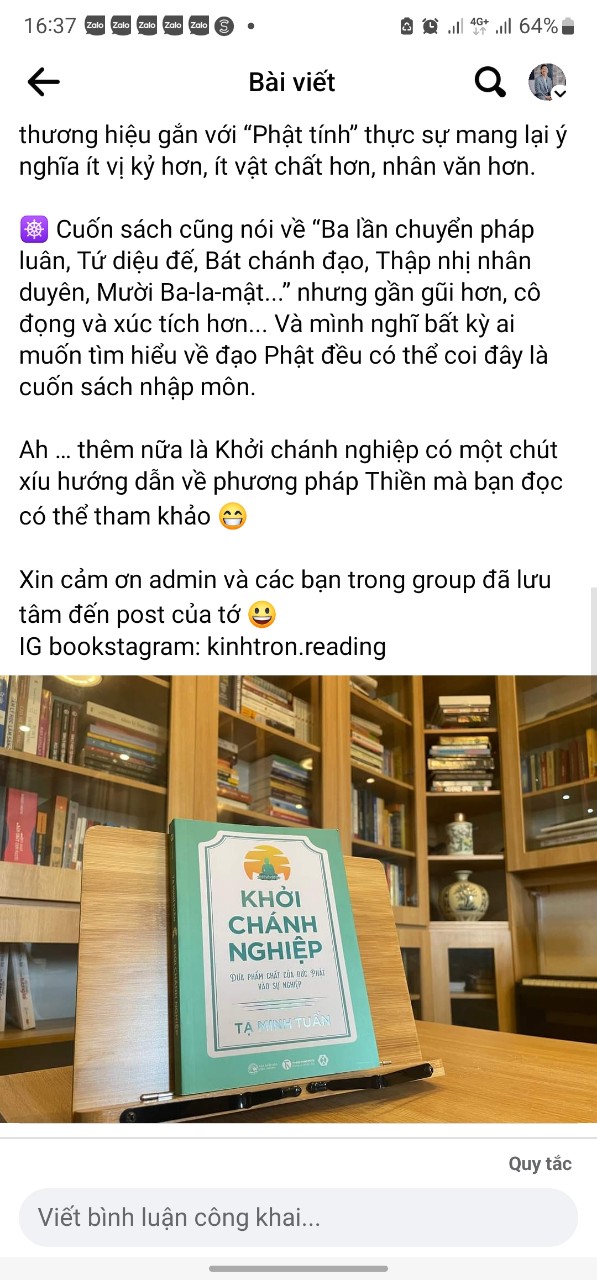
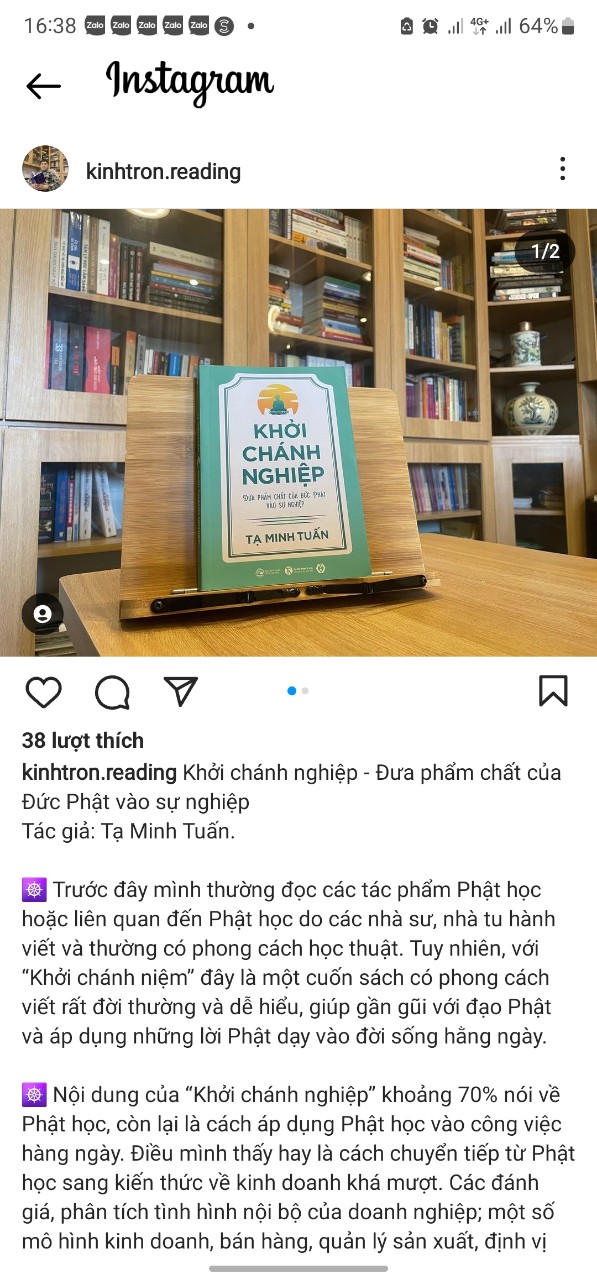
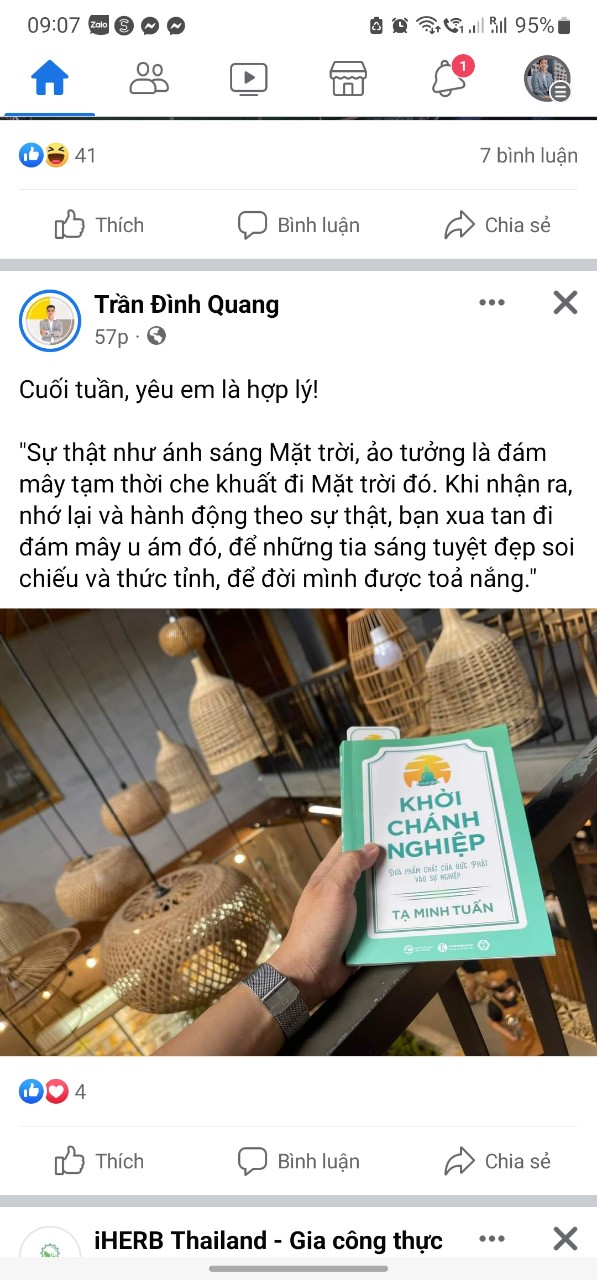
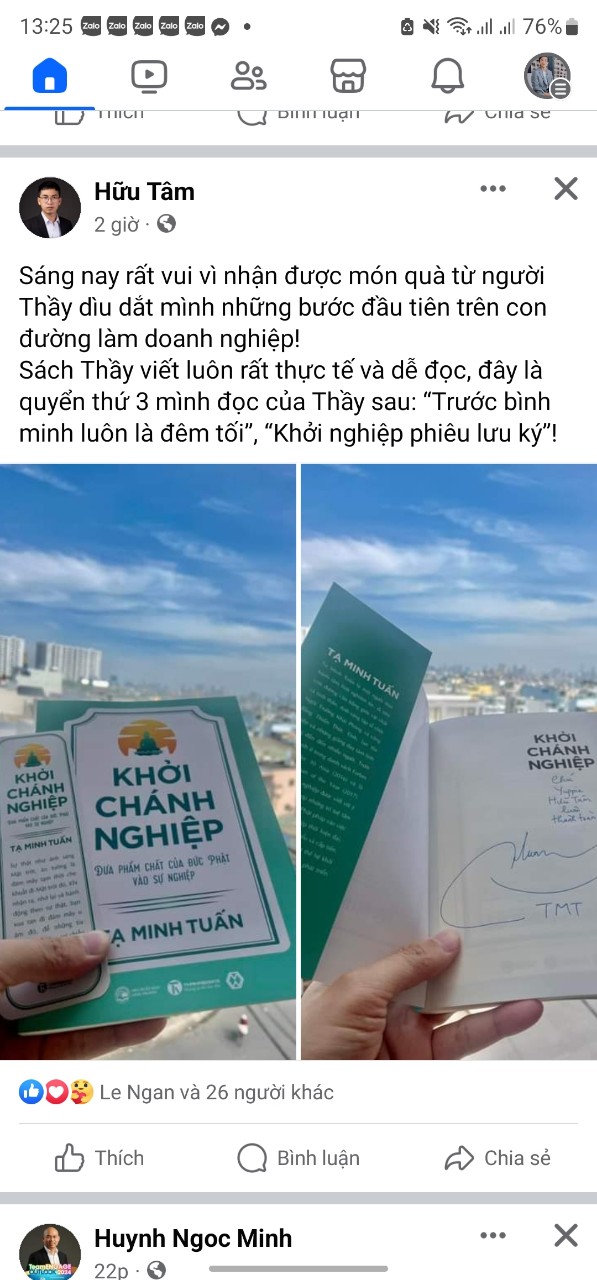
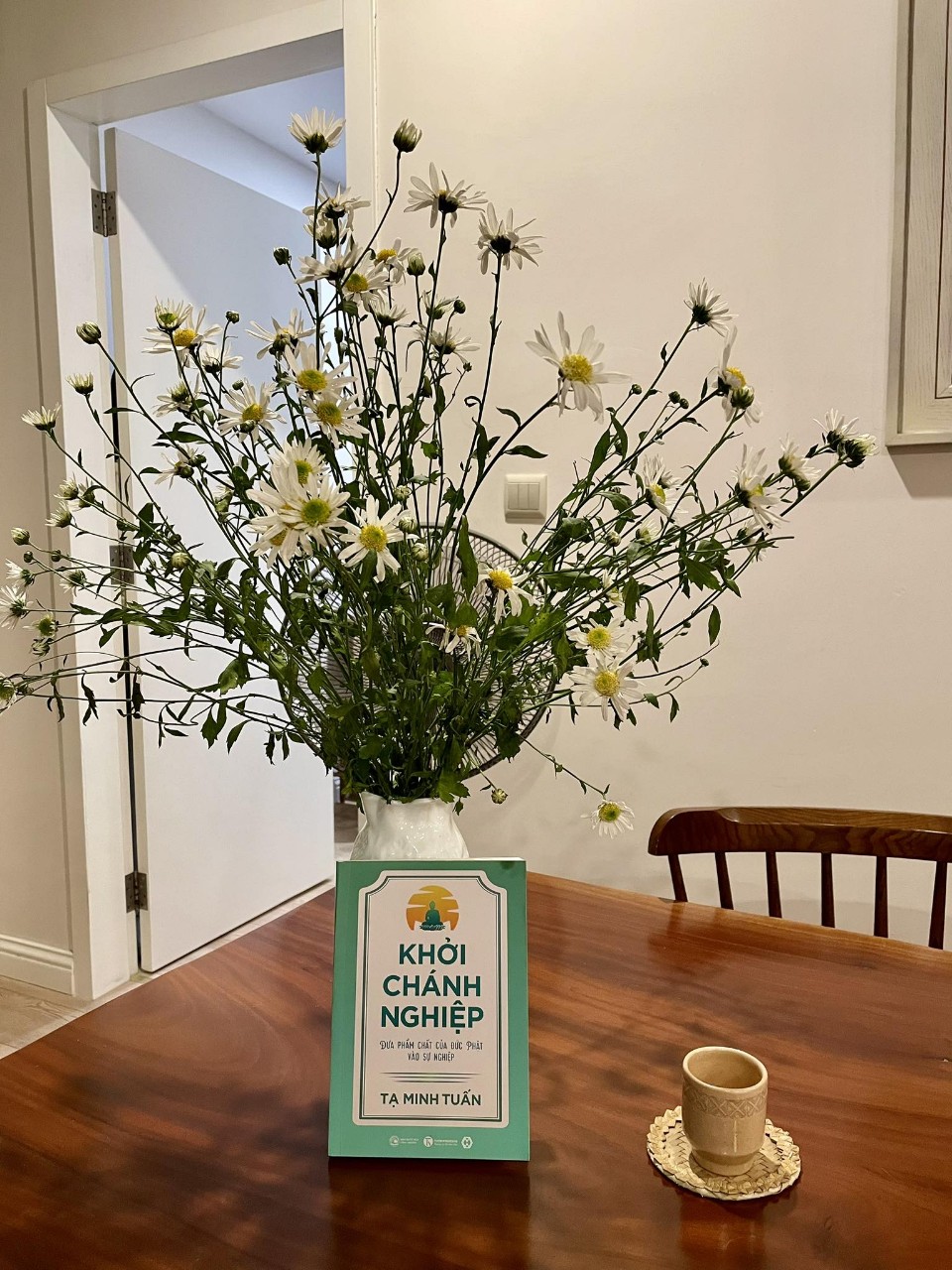
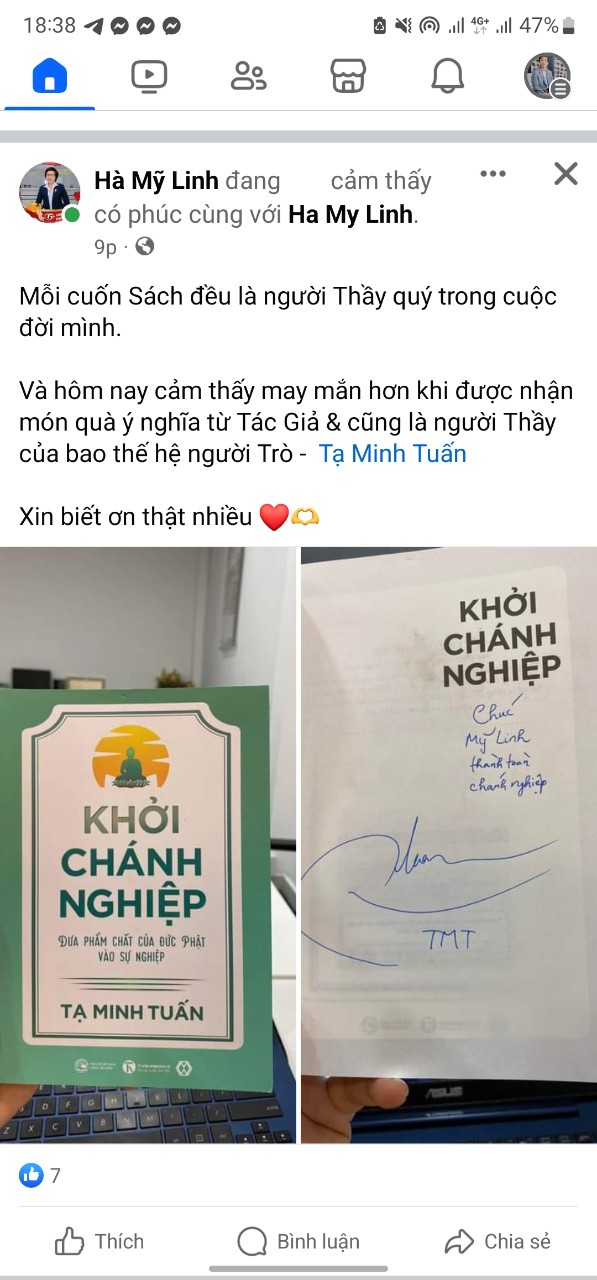
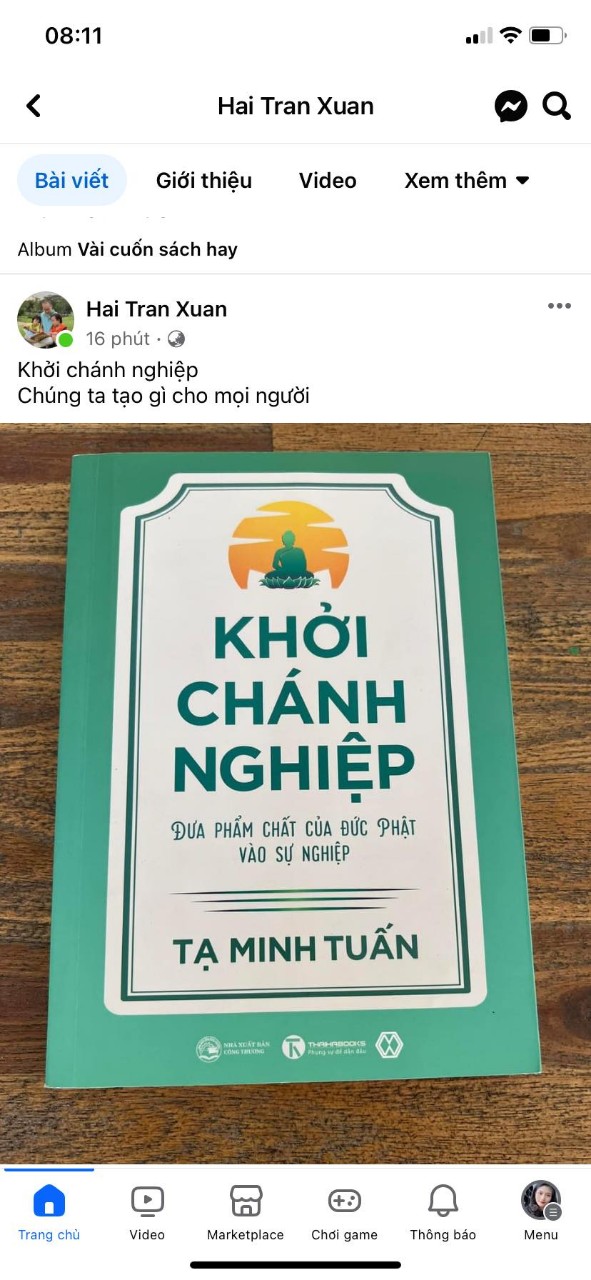
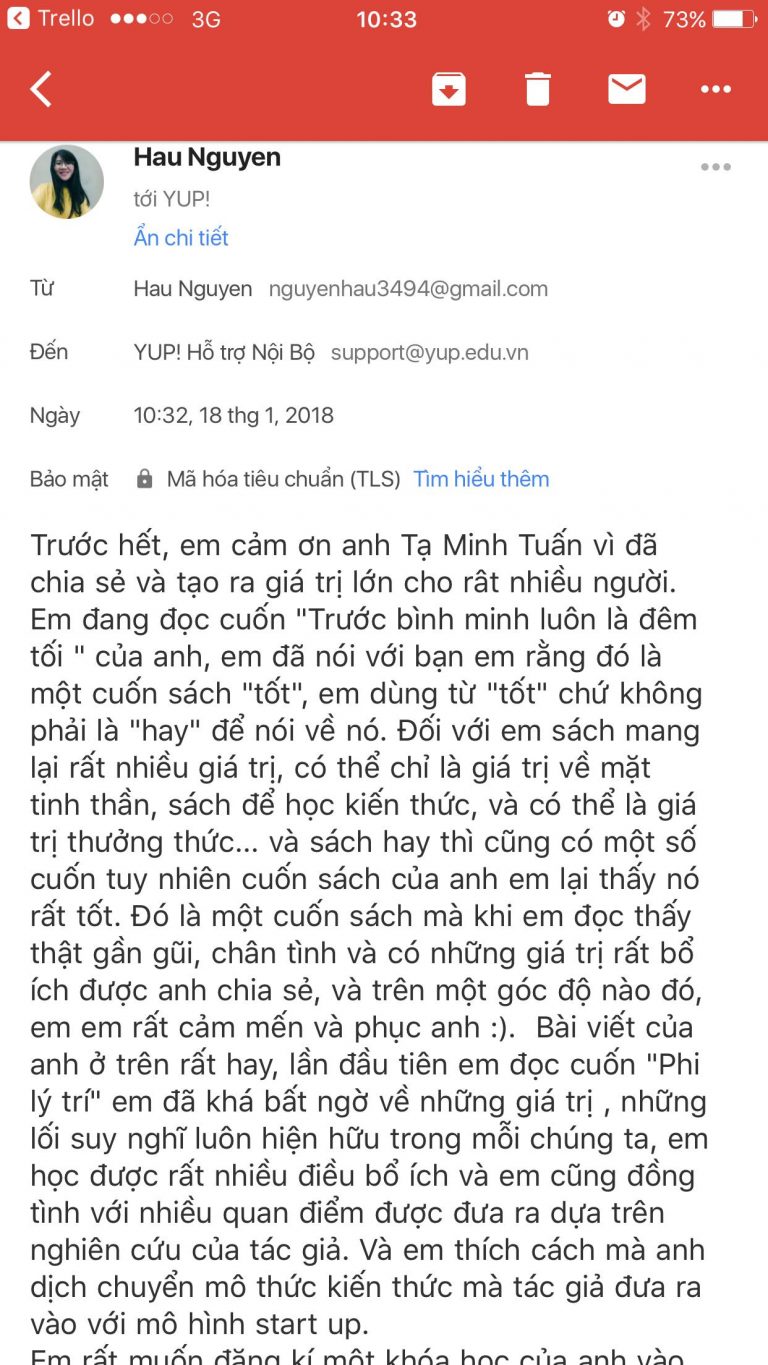
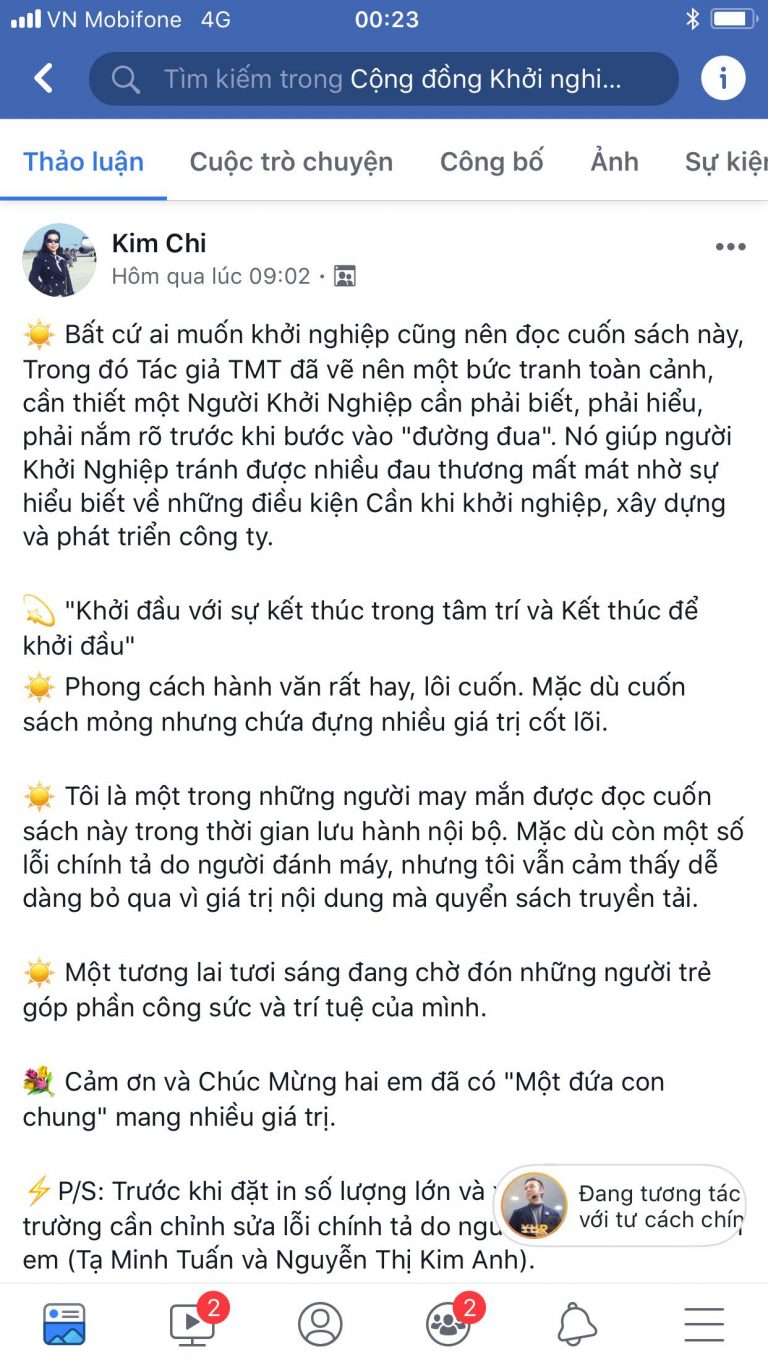
STARTING A BUSINESS WITH RIGHT LIVELIHOOD
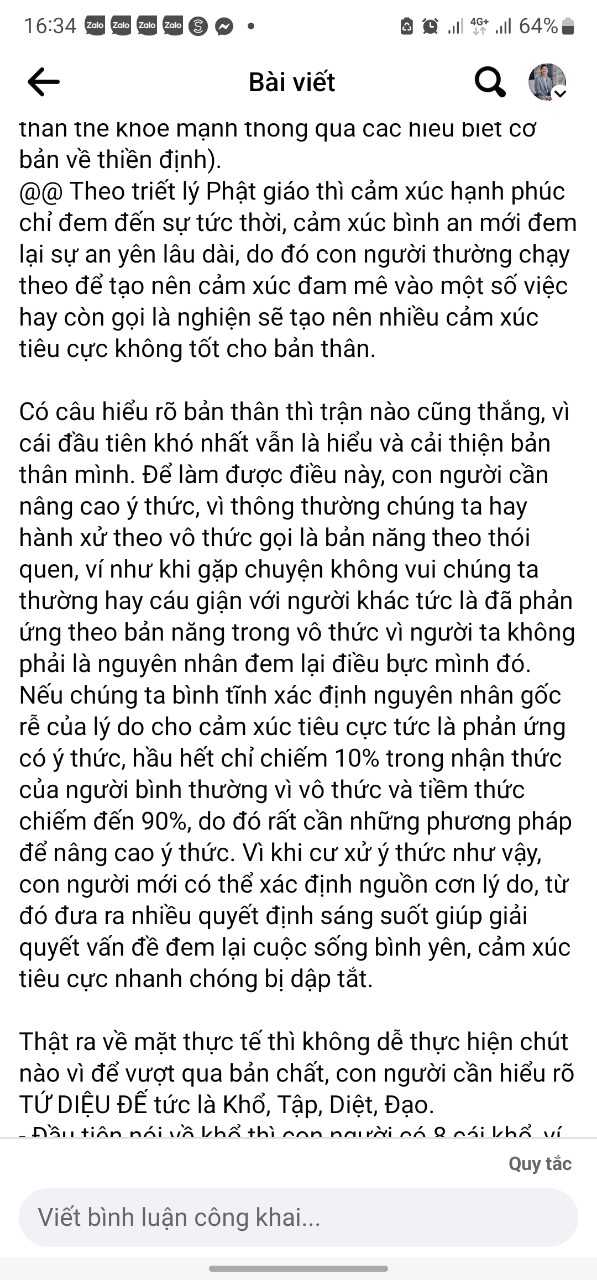
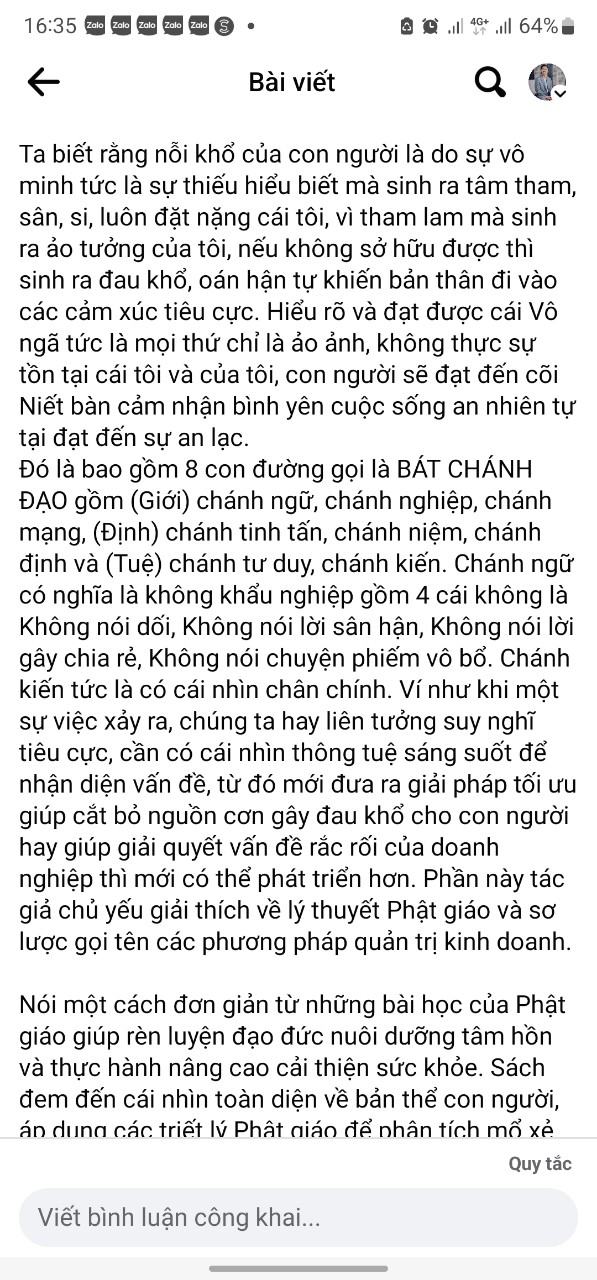
Studying Buddhism is not about expanding the brain, reasoning more, or arguing more forcefully while the heart shrivels, unable to live with love, unconditional love, or what we may call compassion. Studying Buddhism means learning from a Buddha, which also means learning that Buddha's qualities. Learning in order to embody the states of mind of a Buddha. That is the essence of studying Buddhism. It is not about winning or losing, right or wrong, but about living a pure, peaceful, and fulfilled life.
If that life belongs to an entrepreneur, they will be not merely a businessperson or “trader,” but a happy entrepreneur. If they are beginning a business, they will not merely start up or “create karma”; they will practice right-livelihood entrepreneurship. If they are an employee, they will have inner strength and the ability to master their own life. Whoever they are, they can find a path of ethical, compassionate living, continually develop their qualities, and achieve peace in everyday life.
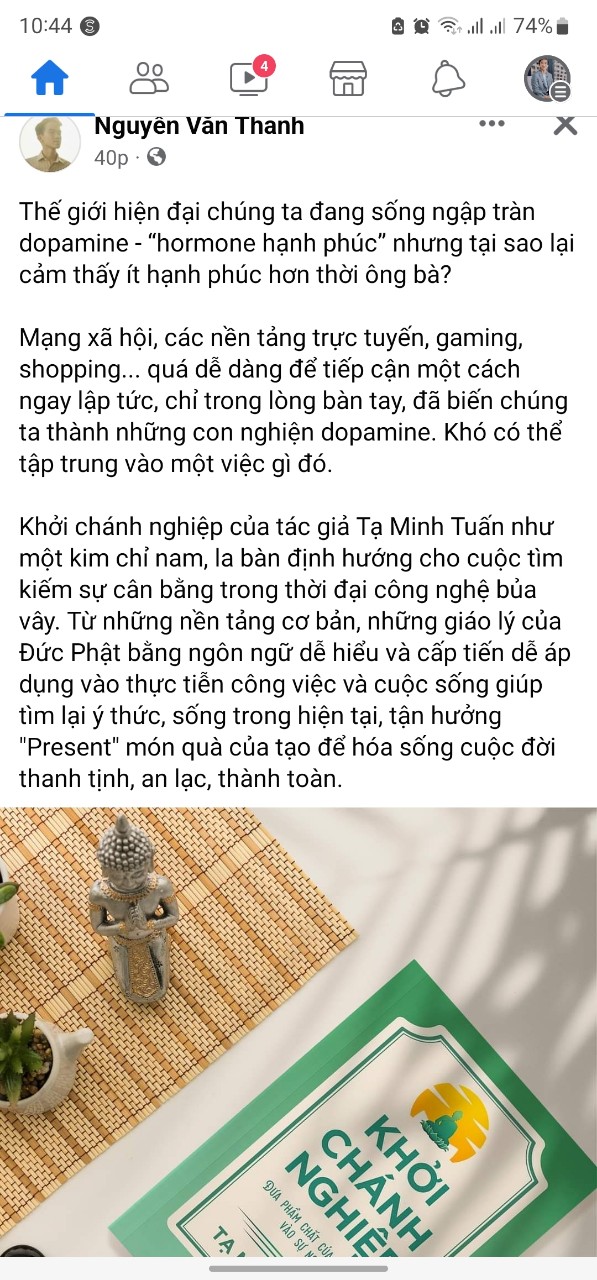
Tạ Minh Tuấn wrote “Starting a Business with Right Livelihood” to integrate ancient Buddhist spiritual wisdom in accessible, progressive language, helping create a harmonious, developing, and fulfilled generation of right-livelihood entrepreneurs.
The book differs from ordinary entrepreneurship because it applies ethical and spiritual practice to starting a business; it should therefore be called right-livelihood entrepreneurship rather than simply entrepreneurship.
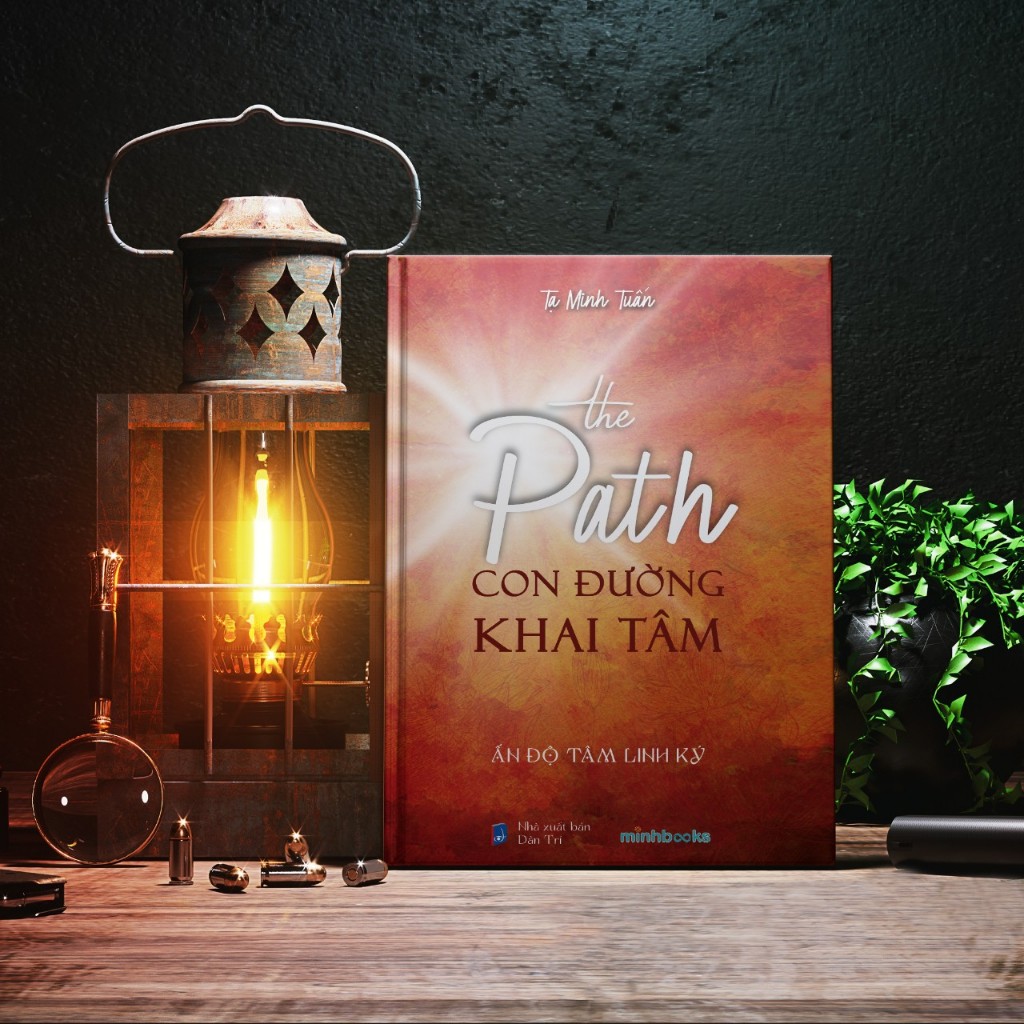
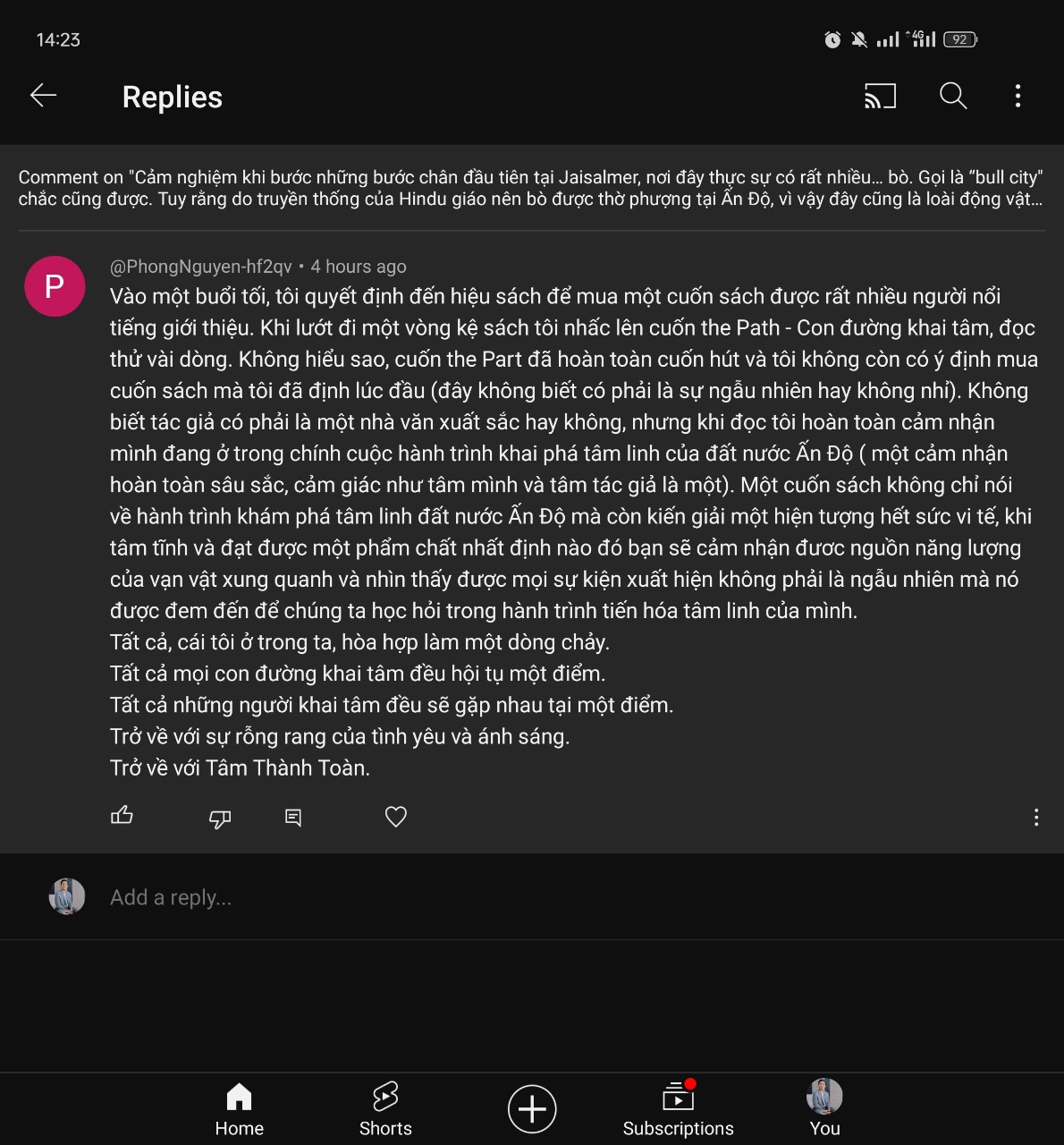
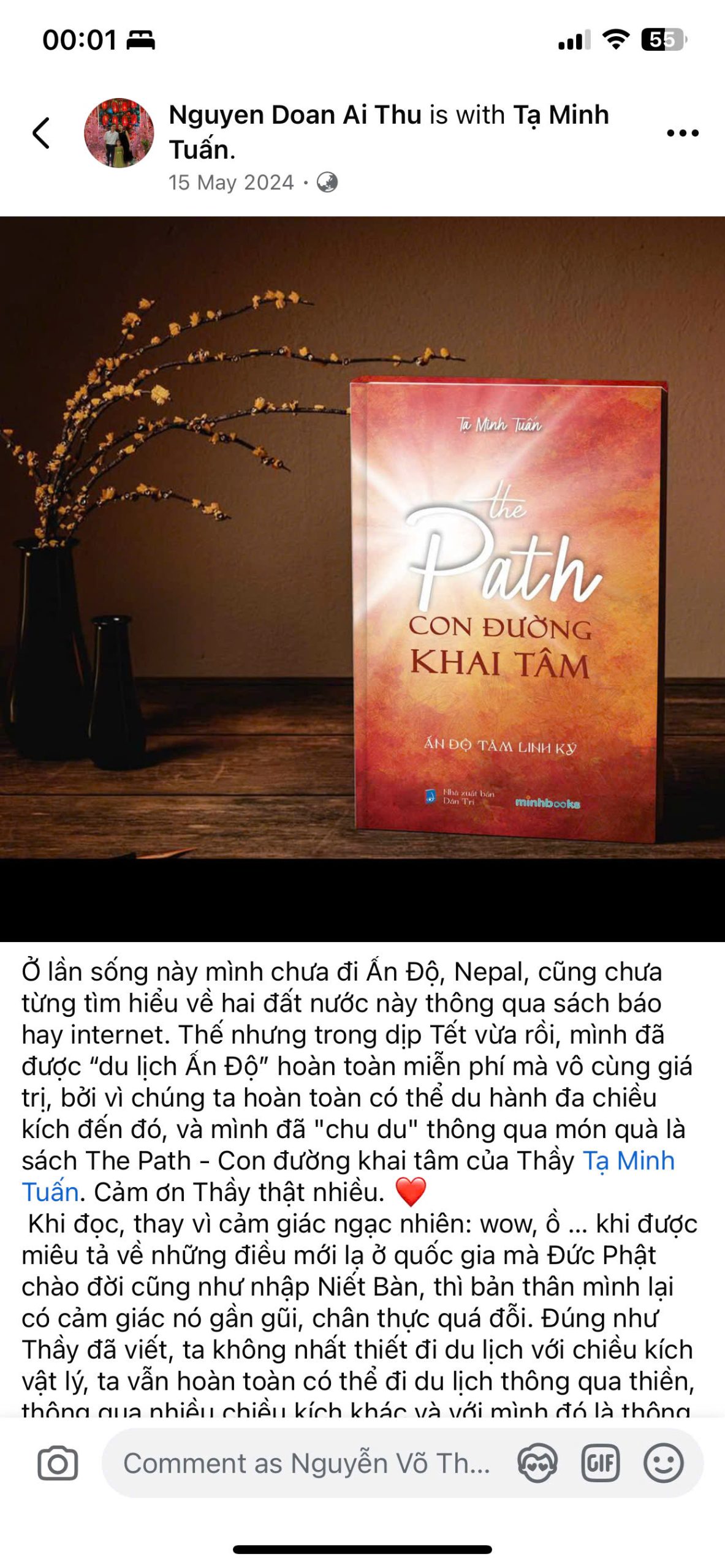
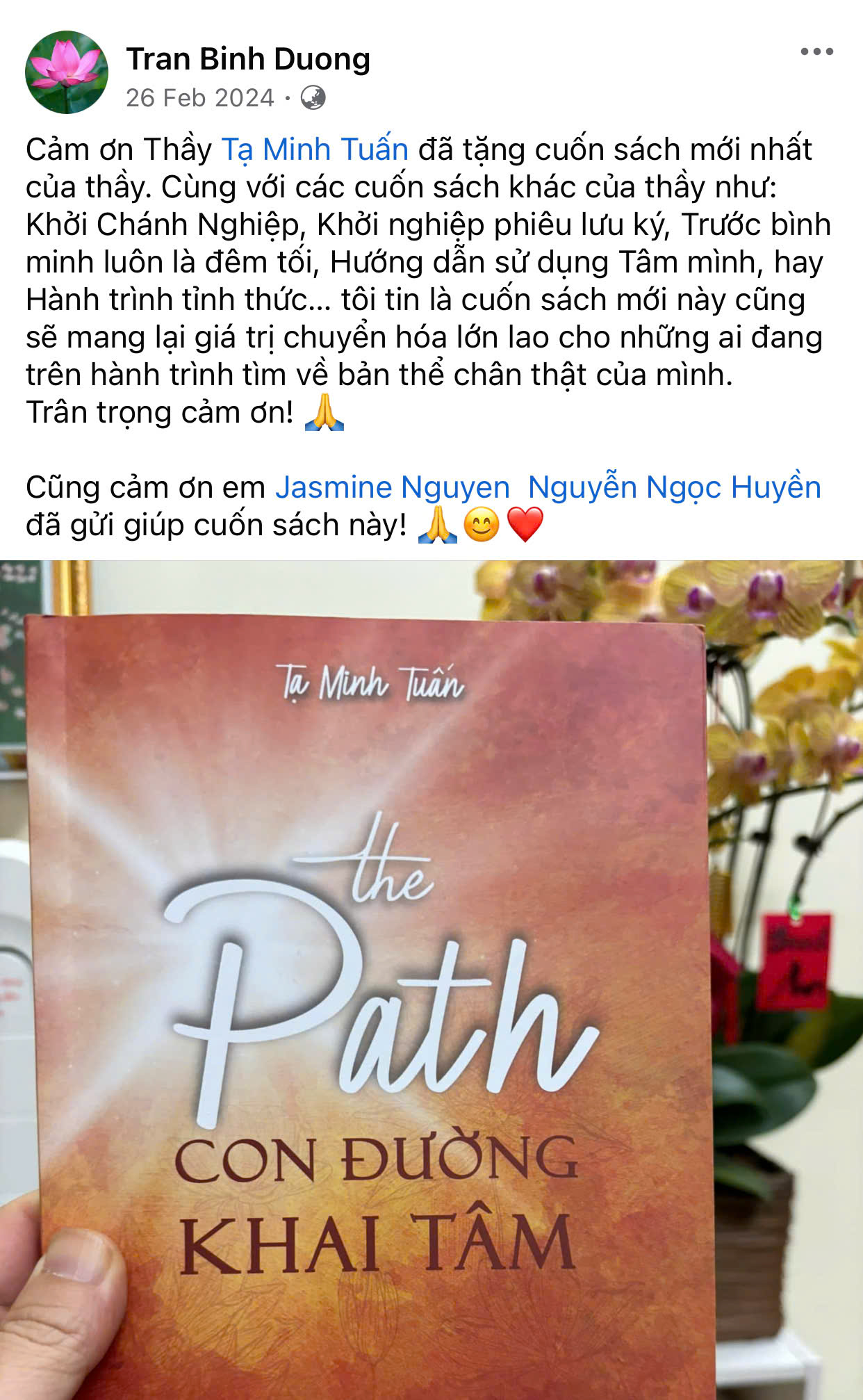
THE PATH – THE PATH OF AWAKENING
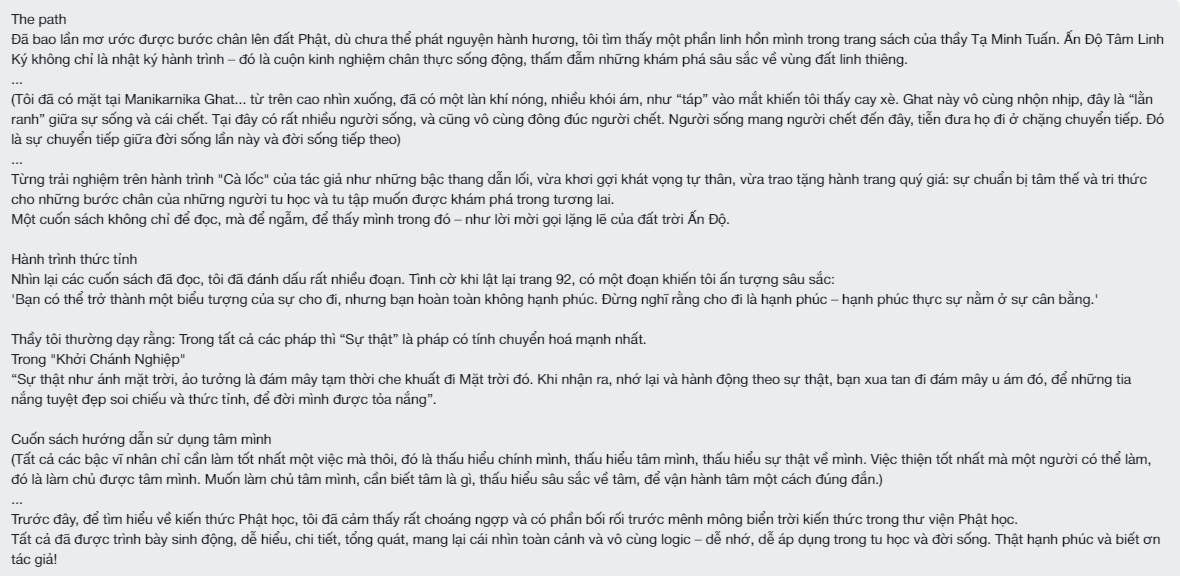
“As soon as I stepped out of the Tuk-tuk, a commotion made me turn around. Before me was a group carrying something like a stretcher, with someone laid upon it and wrapped in yellow cloth, continuously chanting ‘Ram Naam Satya Hai’ as they walked.
I was at Manikarnika Ghat and fortunately met the person managing all its operations. He took me around to introduce the place. Looking down from above, I immediately felt hot air and thick smoke “lash” my eyes, making them sting. The ghat was extremely busy—a “boundary” between life and death. There were many living people, and it was crowded with the dead too. The living brought the dead here to see them off at this transition between this life and the next. They carried the deceased toward the cremation site, repeatedly chanting a phrase. This was the scene I had first witnessed after stepping out of the tuk-tuk, as mentioned above. Speaking with the manager, I learned that the phrase meant “Ram's name is truth.” Although he did not clearly explain it, I can share simply that Ram is one of India's important deities, regarded as an incarnation (avatar) of God. Repeatedly chanting Ram's name beside the deceased on their final earthly journey, before the body “immerses itself” in cremation flames, can bring beneficial energy to the departed. It resembles the Vietnamese custom of continuously chanting, or playing a cassette or recording of “Namo Amitabha Buddha,” beside someone who has died. The energy of chanting still contains truth; it is believed to guide the soul toward a good place, a realm of light, or the Pure Land. If a dying person hears that chanting continuously, it becomes their final thought. And, as you know, the last thoughts of this lifetime can bring forth one of the strongest “samskaras,” one of the most “dangerous” karmic consequences, acting as the “cause” that produces the “effect” of the next life and directs the dimensional magnetic field of the next realm to which the deceased belongs. It is therefore better if the final thought is not anger, pettiness, rage, sadness, or regret, but one directly connected with a Buddha or a deeply sacred deity through continuous chanting—even a connection with truth itself. Following truth brings genuine liberation. That would be very beneficial for the deceased.
The wind still blew, though perhaps no wind from the Ganges was needed: smoke from the fires rose so thickly and continuously that it stung my eyes even as I stood far away above. Many cremation fires burn here. When families bring the deceased to Manikarnika Ghat, tightly wrapped in yellow cloth as a traditional form of coffin, both the dead and living undergo rituals before the most important part: cremation. People not only from Varanasi but across India wish to bring deceased loved ones here because they believe in fire's purifying power. In the science of consciousness, fire is among the strongest of the 5 elements—earth, water, air, fire, and space or ether—symbolizing spirit and soul. Spiritually, fire's “burning” energy carries the power of “purification.” For example, write a sorrow on paper, burn it, and experience that purifying power and the relief it brings. Complete purification, of course, requires deeper practices to transform those memories within consciousness. Yet working with fire can have immediate effects. This is also why some people in our country burn paper to “dispel bad luck,” hoping to “purify that misfortune.” Without understanding its nature, however, merely copying it as a habit purifies nothing and resembles a superstitious mind rather than direct experience in the science of consciousness. This is why Indians wish to be cremated after death: they believe their life's karmic consequences will be purified, bringing a better next life or perhaps heaven. What could be better than cremation at a supremely sacred place beside the Ganges, with its intensely purifying energy, in Varanasi, the city of light? That is why the living and dead flock here to fulfill the final wish of those who have stopped breathing.”

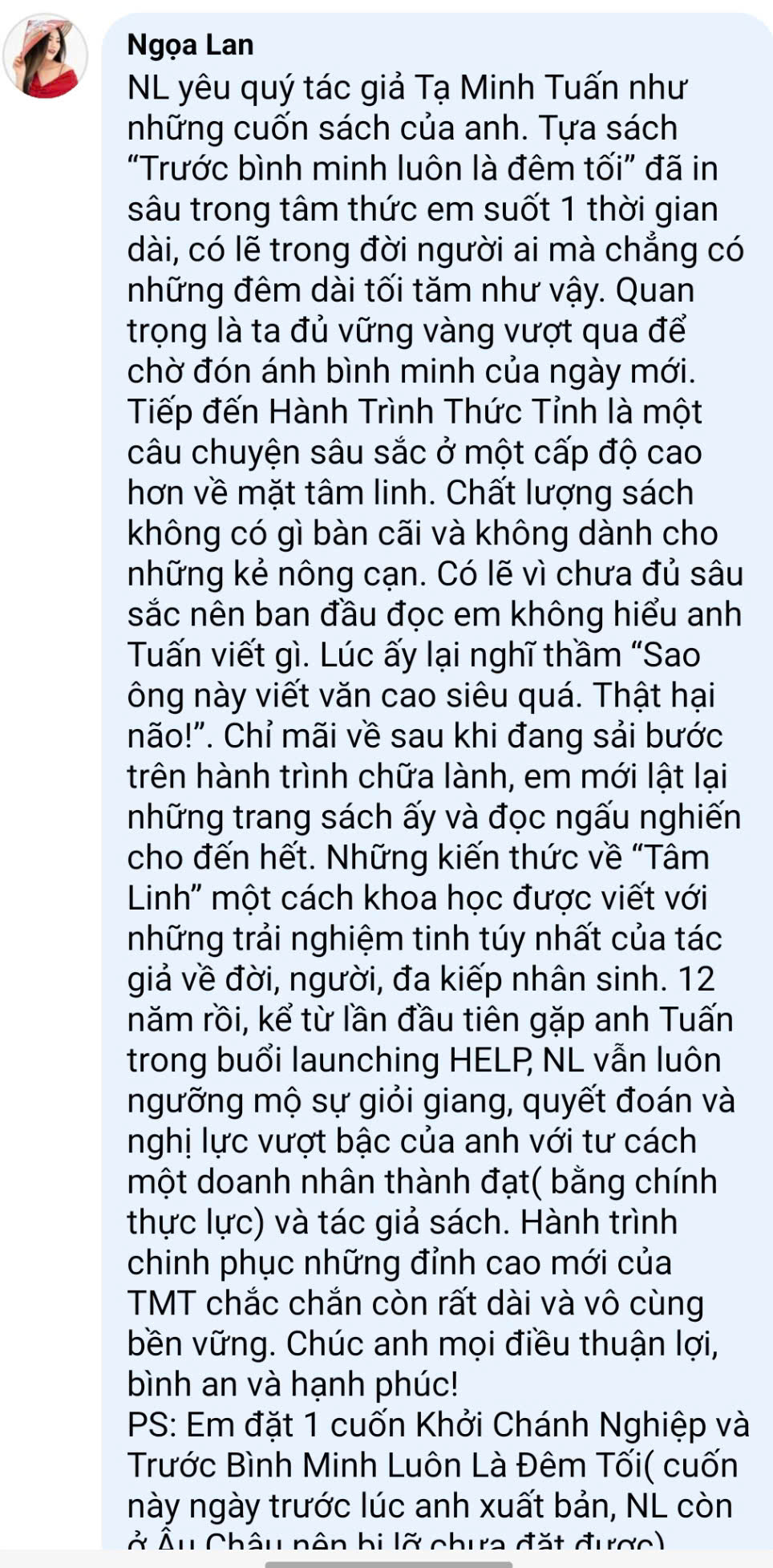
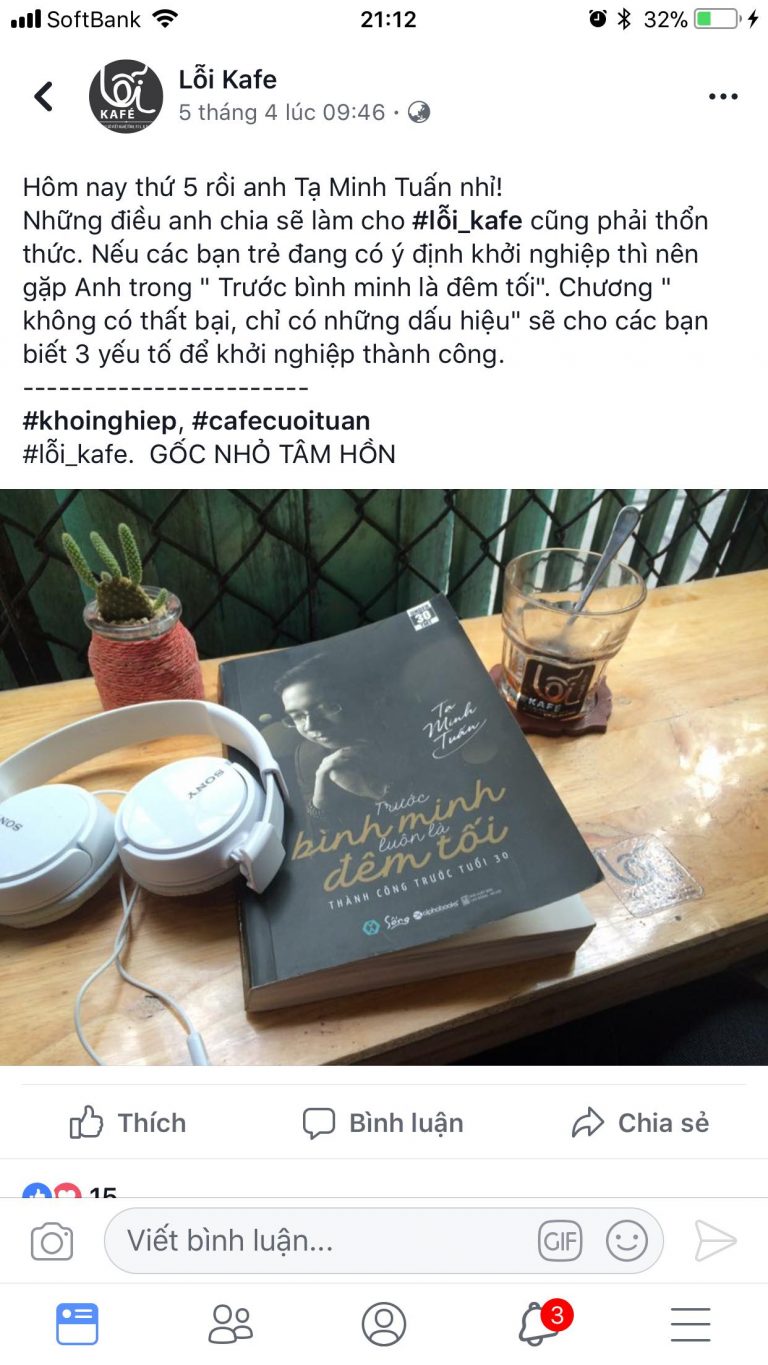
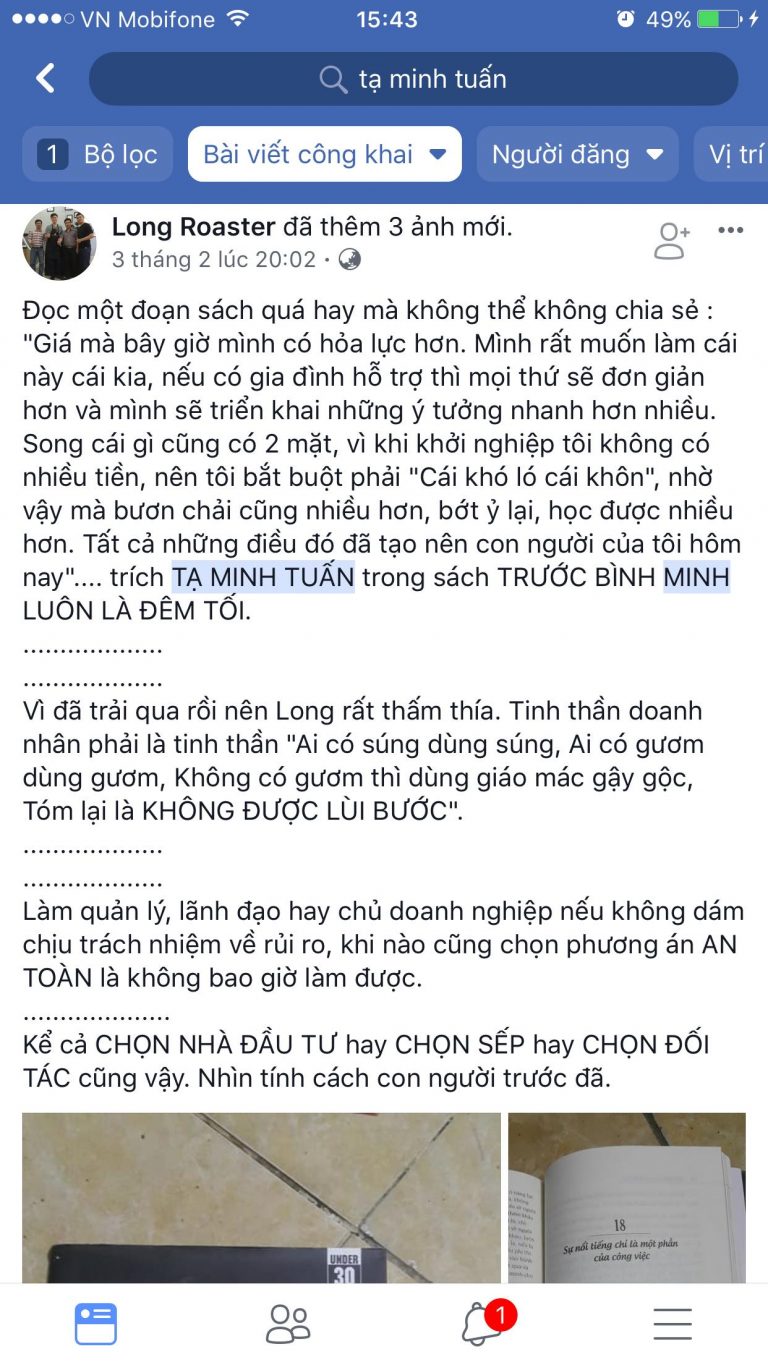
DARKNESS ALWAYS COMES BEFORE DAWN
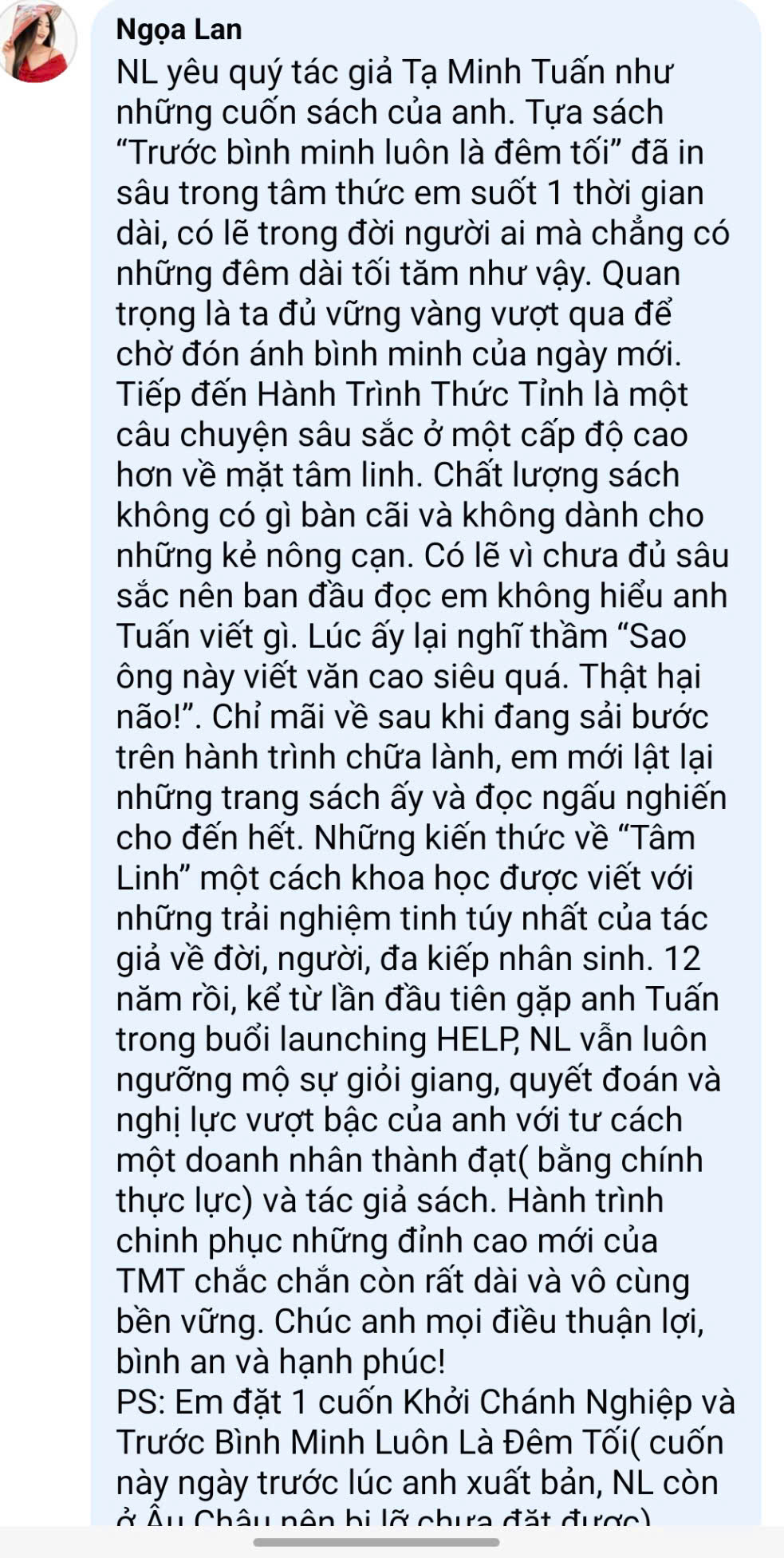
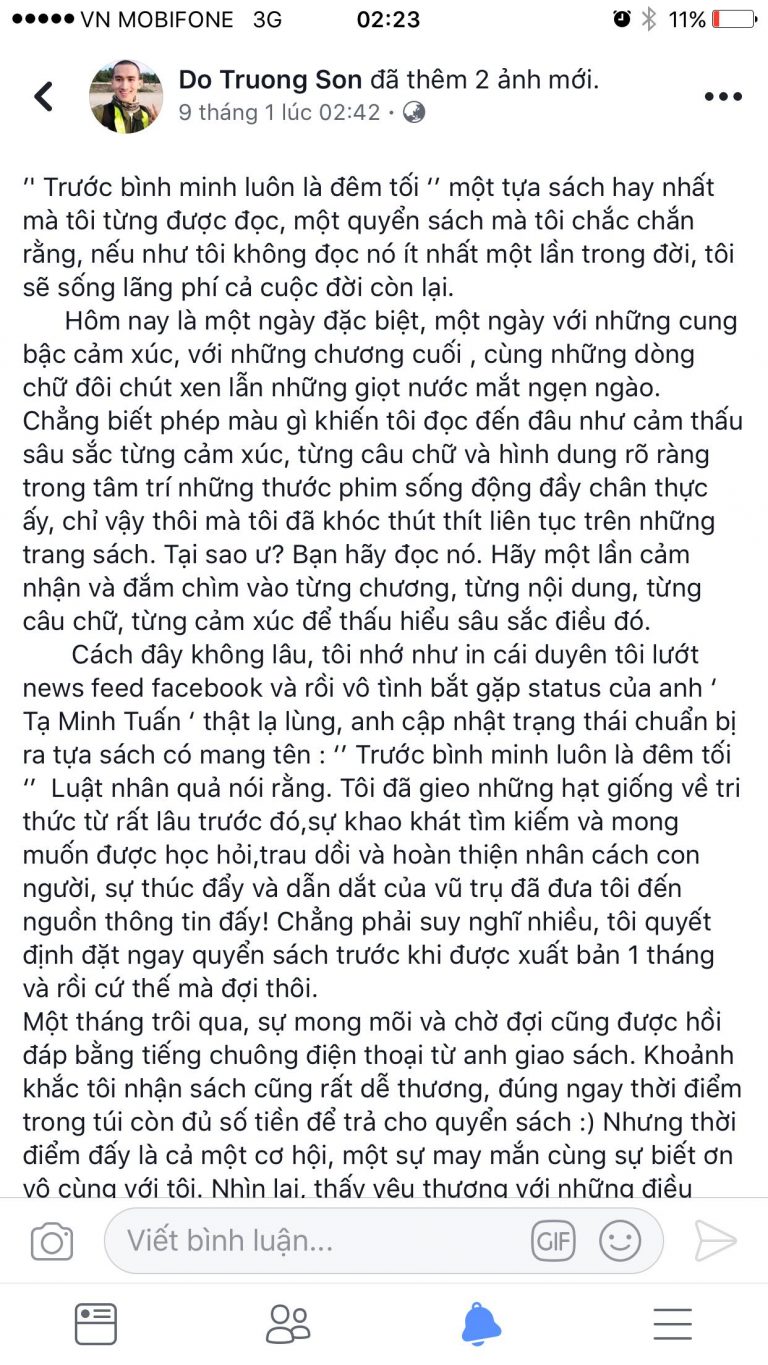
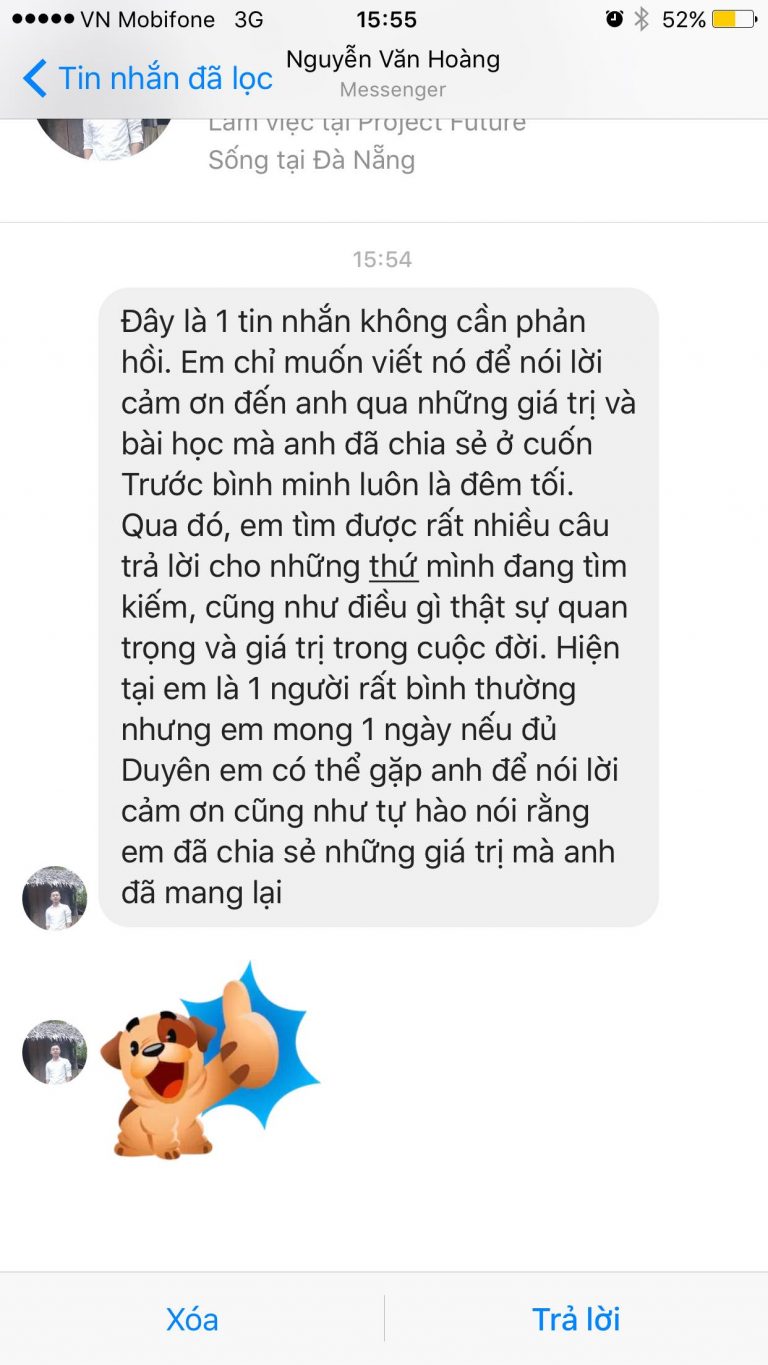
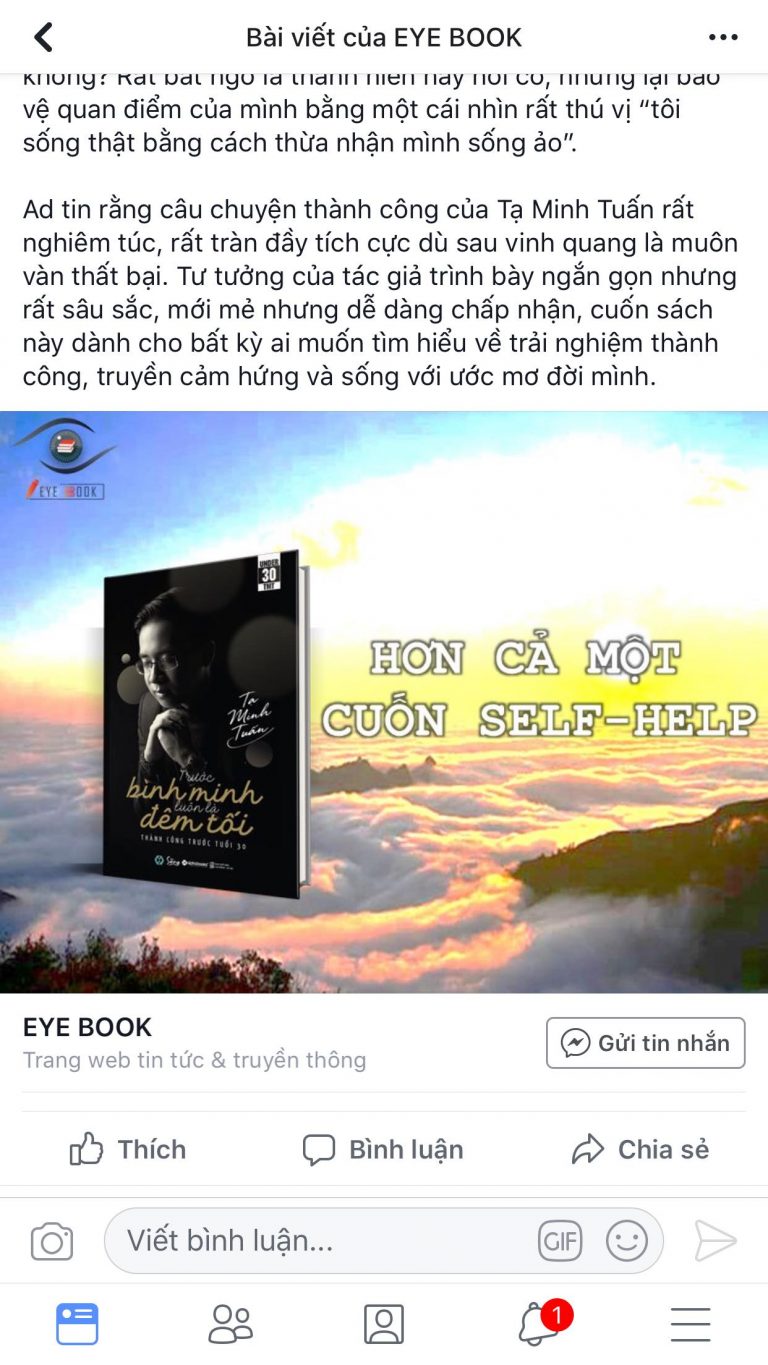
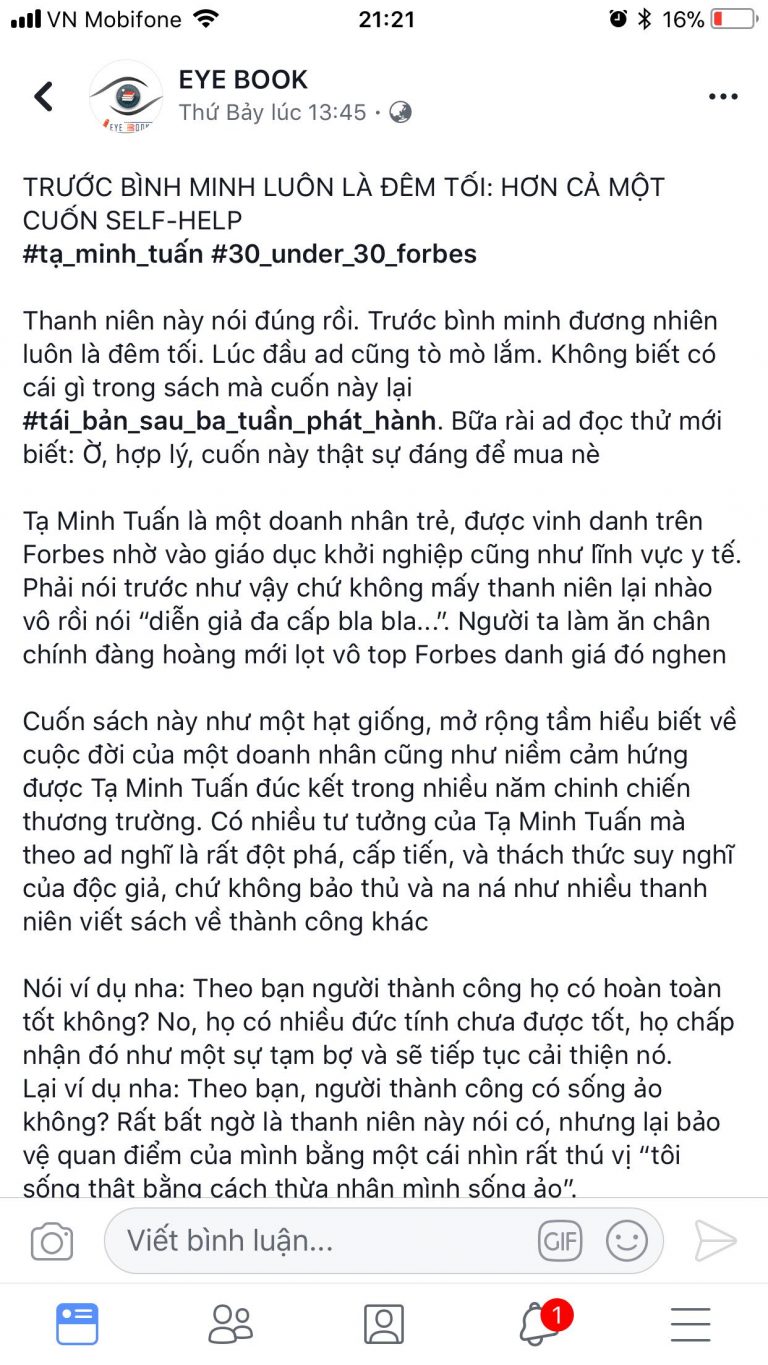
The journey of a young man nearing 30, with impressive achievements and relentless determination to affirm Vietnamese entrepreneurship's position and stature worldwide.
Darkness Always Comes Before Dawn is the journey of a young man approaching 30, with impressive achievements and an unceasing determination to establish the position and stature of Vietnamese entrepreneurship worldwide.
Through his own success story, the author shares many insights into entrepreneurship. Specifically, do not let Vietnamese entrepreneurship stop at an “entrepreneurship movement”; develop it into an “entrepreneurship culture” for greater sustainability. To do that, we need to create a generation of responsible entrepreneurs. So what is responsible entrepreneurship? It is not suddenly feeling inspired to start a business today, immediately resigning, disregarding whether your work has been properly handed over, and telling your boss “Because I feel like it” when asked why, even though your boss and company have treated you well. If you join a workplace respectfully, you must leave respectfully too! Responsible entrepreneurship is not selling skin-whitening cream promising instant whitening in 3 days, disregarding customers' health, and even claiming pregnant women can use it just to make a sale. That is creating bad karma, not starting a business!…
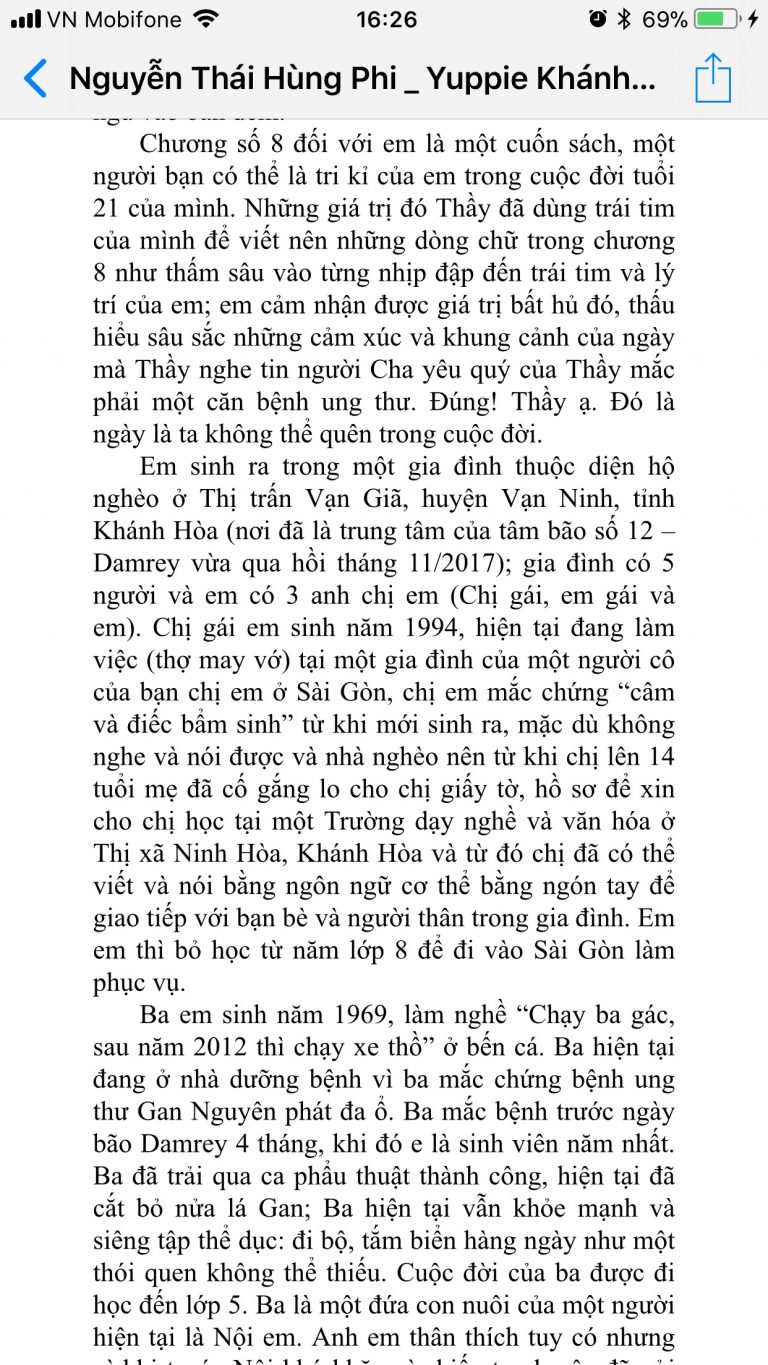
The book also overflows with love for family: a place to return with deep gratitude whenever you are tired of the storms outside. “Those willing to place their hearts in your ‘closed chest,’ to fill your heart, and to stand beside you in success or failure are none other than your Family!”
There are also many other useful, engaging, and profound reflections on success, sadness, and happiness drawn from the author's own life, sure to give readers many insights into life.